Waking Up With Dry Mouth Every Morning: What It Can Signal
A dry, sticky mouth first thing in the morning is easy to ignore once you have had a glass of water. But the symptoms that come with it, a headache, a scratchy throat, feeling unrested, say a lot about how you breathed overnight. Here is how to read that morning pattern.
Why you wake up with a dry mouth
Morning dryness is the end result of the whole night. Saliva keeps the mouth moist, but if air is moving in and out through your lips for hours, it evaporates faster than it is replaced. Add a few hours without drinking and the morning feeling is predictable.
The most common overnight reasons are:
- Mouth breathing, often because of a blocked nose, allergies or sleeping on your back. Cleveland Clinic lists dry mouth, bad breath and hoarseness among its typical signs.
- Snoring, which usually involves an open mouth and fast-moving air.
- Alcohol or a late, salty meal the evening before.
- Dry or warm bedroom air, especially with heating on.
- Medicines that reduce saliva, taken in the evening.
- CPAP air leaking through the mouth, for people using a CPAP machine.
For a full list of causes, including medicines, diabetes and menopause, see our guide to dry mouth at night. This article focuses on the morning pattern and what it can tell you.
Reading your morning symptoms
Dry mouth rarely shows up alone. The other things you notice in the first hour after waking are useful clues.
| Dry mouth plus… | What it can point to | Worth trying or checking |
|---|---|---|
| Sore or scratchy throat, hoarse voice | Mouth breathing or snoring | Clear the nose, side sleeping, humidifier |
| Bad breath | Less saliva overnight | Oral hygiene before bed, tackle mouth breathing |
| Headache that fades within a few hours | Sleep apnea, teeth grinding, alcohol, dehydration | Ask a partner about snoring and pauses; dentist check |
| Sore jaw or worn teeth | Teeth grinding (bruxism) | Dentist |
| Feeling unrested, sleepy in the day | Fragmented sleep, possible sleep apnea | Sleep assessment |
| Getting up to urinate at night | Possible sleep apnea, or diabetes if with thirst | Doctor visit |
| Only after drinks or a late meal | Alcohol and dehydration | Change the evening routine |
If the sore throat is the main issue, our guide to waking up with a sore throat covers it in more depth.
When waking up with dry mouth can signal sleep apnea
Obstructive sleep apnea is a condition in which the airway repeatedly narrows or closes during sleep. Many people who have it do not know, because the main events happen while they are asleep. Morning symptoms are often the first clue.
According to the Sleep Foundation’s overview of sleep apnea symptoms:
- a third or more of people with obstructive sleep apnea experience oral dryness, and the severity of morning dryness may track how disrupted their breathing was;
- around 10% to 30% have morning headaches that can last for several hours, usually without the nausea or light sensitivity of a migraine;
- excessive daytime sleepiness affects roughly 40% to 58%, depending on severity;
- up to 90% snore, although fewer than half of people who snore have sleep apnea;
- sleep apnea can increase night-time urine production, so waking to use the bathroom is common.
None of these symptoms proves sleep apnea on its own. But waking up with dry mouth every morning together with loud snoring, pauses in breathing that someone has noticed, or a struggle to stay awake during the day is a strong reason to ask for a sleep assessment. Our article on sleep apnea symptoms goes through the full picture.
Waking up with dry mouth while using CPAP
People using CPAP sometimes find their mouth is drier than before. The Sleep Foundation names the usual causes: breathing through the mouth with a nasal mask so that air escapes, a mask that leaks, and dry air from the machine. Typical fixes include adjusting humidification, improving mask fit, or switching to a mask that covers both nose and mouth. Talk to your sleep team before changing settings. Our guide to mouth tape with CPAP discusses the mouth-leak question.
A one-week morning check
A simple record makes patterns visible and gives your doctor something concrete. Each morning for a week, note:
- How dry your mouth was, from 0 to 3.
- Whether you had a sore throat, headache or bad breath.
- How rested you felt.
- Whether you drank alcohol or ate late the evening before.
- How your nose felt at bedtime: clear, partly blocked or blocked.
- Anything your partner noticed: snoring, open mouth, pauses.
If the dry mornings line up with alcohol or a blocked nose, you have a starting point. If they happen almost every day regardless, or line up with headaches and tiredness, take the record to a doctor.
What helps you wake up less dry
- Make nasal breathing easy. Treat congestion, rinse with saline and see an ENT specialist if your nose is often blocked.
- Sleep on your side, which can help the mouth stay closed and reduce snoring.
- Humidify the bedroom, as the NIDCR suggests for dry mouth at night.
- Move alcohol earlier in the evening, or skip it, and drink water during the day.
- Brush and floss before bed to limit the effect of a dry night on your teeth.
- Consider mouth tape only if your nose is clear and you have no signs of sleep apnea. Use purpose-made tape and never with a blocked nose.
Not just tape.
A mouth band that understands your night.
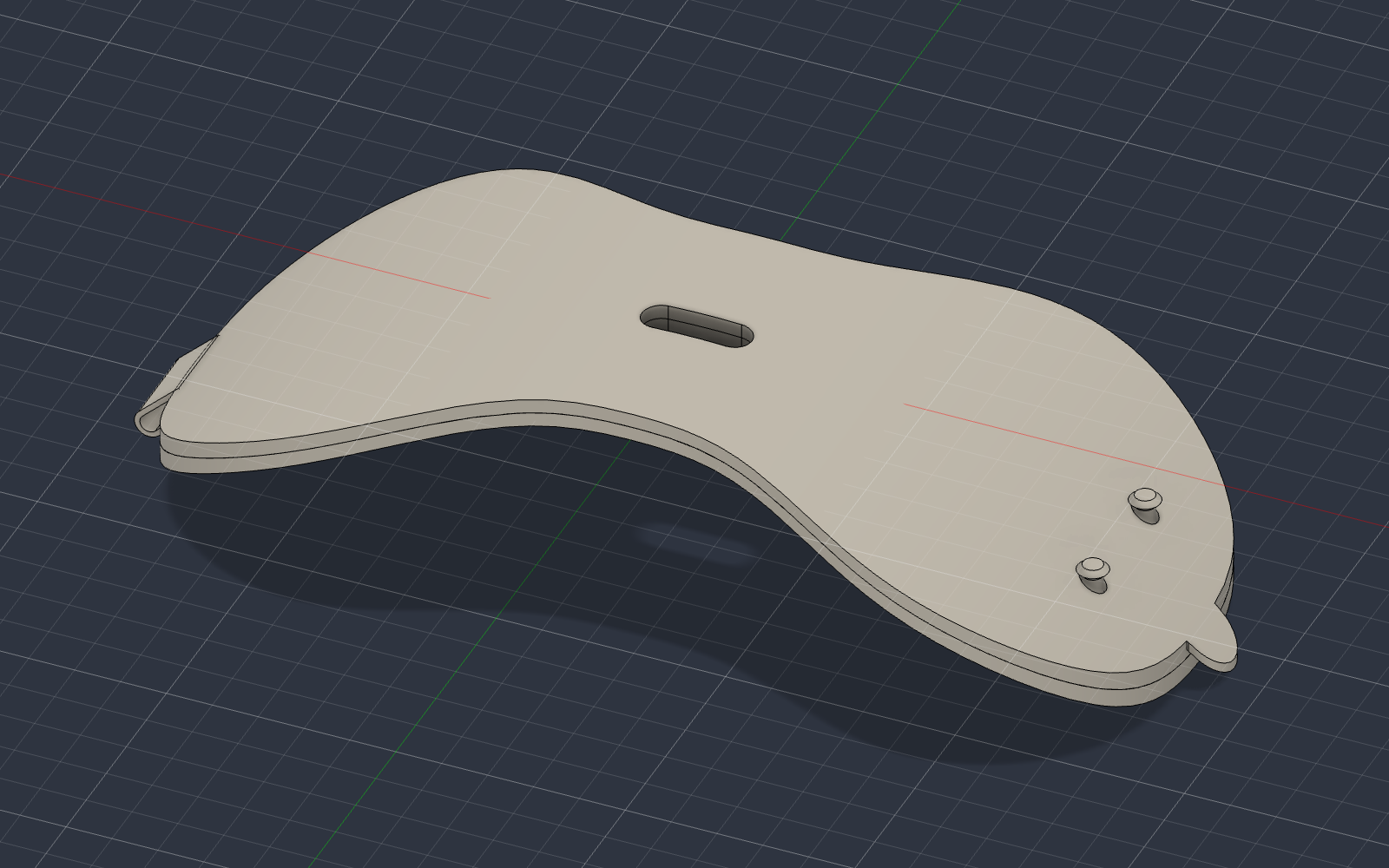
Morning dry mouth tells you something happened overnight, but not what. Zzip is being developed to record nose and mouth breathing, snoring and SpO₂ signals through the night, so the morning symptom has a night-time story behind it.
| Regular mouth tape | Zzip | |
|---|---|---|
| Keeps your mouth closed | ✓ | ✓ |
| Measures your breathing | — | ✓ |
| Detects snoring | — | ✓ |
| Responds to snoring | — | ✓ |
| Smart wake-up window | — | ✓ |
| Shows you the results | — | ✓ |
- Keeps your mouth closed, comfortablyA flexible silicone body with an integrated, skin-friendly adhesive, shaped around the mouth.
- Follows every breathA thermistor near the nose counts each breathing cycle directly from the warm and cool air of your breath.
- Hears snoring and respondsA microphone detects snoring; a gentle vibration is designed to encourage you to change position without waking you.
- Wakes you at a better momentA smart alarm looks for a suitable moment in the window before your alarm time.
- Your whole night on one screenOptical pulse and SpO₂ signals, movement and temperature come together in the Zzip app.
If you are curious about mouth taping, Zzip is worth following: it is the version that shows you whether it actually works for you.
Zzip is a prototype in development. Features and measurement performance are being tested. It is not a medical device and does not diagnose or treat sleep apnea or any other condition.
Frequently asked questions
Why do I wake up with a dry mouth every morning?
The most common reason is breathing through your mouth or snoring during the night. Alcohol, dry bedroom air and medicines that reduce saliva are other frequent causes. If it happens every day, look for a pattern and consider seeing a doctor.
Is waking up with dry mouth a sign of sleep apnea?
It can be. The Sleep Foundation reports that a third or more of people with obstructive sleep apnea have oral dryness. It is more suggestive when it comes with loud snoring, breathing pauses, morning headaches or daytime sleepiness.
Why do I wake up with a dry mouth and a headache?
Common explanations include alcohol, dehydration, teeth grinding and disturbed breathing during sleep. If it happens often, especially with snoring or tiredness, a doctor can help work out the cause.
Why do I wake up with a dry mouth and sore throat?
Breathing through an open mouth overnight dries the throat as well as the mouth. Treating a blocked nose, side sleeping and a humidifier often help. A sore throat that lasts all day or comes with fever needs a different look.
Can dehydration cause dry mouth in the morning?
Yes. Not drinking enough during the day, alcohol in the evening or a very warm bedroom can all leave you drier by morning. Dehydration alone usually improves quickly once you drink.
Sources
- Sleep Foundation (2026). Sleep Apnea Symptoms.
- Sleep Foundation (2025). CPAP Dry Mouth: Causes, Treatment, and Prevention.
- National Institute of Dental and Craniofacial Research (NIDCR). Dry Mouth.
- Cleveland Clinic. Bruxism (Teeth Grinding): Symptoms, Causes & Treatment.
- Cleveland Clinic. Mouth Breathing: Symptoms, Complications & Treatment.
This article is for general information only and is not medical advice. If you have symptoms of a sleep or breathing disorder, talk to a qualified healthcare professional.