Mouth Breathing in Children: Causes, Signs and When to See a Doctor
Every child breathes through the mouth during a cold. When it carries on for weeks, or happens every night, it is usually a sign that something is making nasal breathing hard. Here is what typically causes it, what to look for and which specialists can help.
Why children breathe through their mouth
Children switch to mouth breathing for the same reason adults do: the nose is not letting enough air through. The difference is in the usual culprits. According to Cleveland Clinic and the Sleep Foundation, the most common causes in children are:
- Enlarged adenoids. The adenoids sit at the back of the nose, where it meets the throat. The Sleep Foundation notes they usually reach their largest size between ages 2 and 6, which is why this age group is so often affected.
- Enlarged tonsils, which can narrow the throat, especially when lying down.
- Allergies, such as dust mite or pollen allergy, causing a constantly stuffy nose.
- Frequent colds and sinus infections.
- Structural issues such as a deviated septum or, in small children, an object stuck in a nostril.
- Habit, which can continue after the original blockage has gone.
Signs of mouth breathing in children
| At night | During the day |
|---|---|
| Sleeping with the mouth open | Lips apart while watching TV or concentrating |
| Snoring or noisy breathing | Tiredness despite enough time in bed |
| Pauses, gasps or snorts in breathing | Irritability or restlessness |
| Restless sleep | Difficulty paying attention |
| Drooling on the pillow | Bad breath |
| Waking with a dry mouth | Hoarse voice |
Cleveland Clinic notes that sleep problems linked to mouth breathing can show up as irritability, restlessness and ADHD-like behaviour, which is why tired, unsettled children are sometimes misread.
A simple check you can do at home: watch your child sleep for a few minutes on several nights, ideally a while after they fall asleep. Note whether the mouth is open, whether you hear snoring and whether breathing ever pauses. A short phone video can be very useful for the doctor.
Mouth breathing at night and sleep apnea
Night-time mouth breathing and snoring can be signs of obstructive sleep apnea in children, a condition in which the airway repeatedly narrows or closes during sleep. A 2026 systematic review of 13 studies found that most reported a significant link between mouth breathing and the severity of childhood sleep apnea, and some found mouth breathing predicted sleep apnea that persisted after adenoid and tonsil surgery. The authors suggest mouth breathing can serve as an early, visible marker.
The American Academy of Pediatrics recommends that all children and teenagers be screened for snoring, and that those who snore and have other signs of sleep apnea have a sleep study where possible. Our guide to snoring in children explains which kinds of snoring need attention.
Why it matters for growth and teeth
A child’s face is still growing, and breathing habits can influence that growth. A 2026 meta-analysis of 13 studies found that children who mouth-breathe had narrower upper dental arches, a deeper palate toward the back of the mouth and more crossbites than nasal breathers. Cleveland Clinic also lists a narrow face and a receding chin among possible changes. These links are part of why dentists and orthodontists often spot mouth breathing first. Our article on the mouth breathing face looks at what the research does and does not show.
Who to see and what to expect
- Start with the paediatrician or family doctor. They will ask about sleep, snoring, allergies and behaviour, and look at the nose and throat.
- ENT specialist. If the adenoids or tonsils look large, an ear, nose and throat specialist can assess them, sometimes with a small camera through the nose.
- Allergy assessment if the nose is stuffy for long periods or symptoms follow the seasons.
- Sleep study if sleep apnea is suspected. It records breathing, oxygen and sleep overnight.
- Dentist or orthodontist to check how the teeth and jaws are developing.
How mouth breathing in children is treated
Treatment targets the cause. Options that Cleveland Clinic and the AAP guideline describe include:
- Allergy and nasal treatment, such as steroid nasal sprays or antihistamines prescribed by a doctor, and saline rinses.
- Adenoid and tonsil removal (adenotonsillectomy), which the AAP recommends as first-line treatment for childhood sleep apnea caused by enlarged adenoids and tonsils.
- Re-evaluation after surgery, because some children still have symptoms and may need further treatment.
- CPAP if surgery is not done or sleep apnea persists afterwards.
- Weight management alongside other treatment for children who are overweight.
- Orthodontic treatment, for example to widen a narrow upper jaw, decided by an orthodontist.
Once the airway is clear, some children keep the open-mouth habit. Speech and language or myofunctional therapists can help with lip-closure and tongue-posture exercises.
What not to do
- Do not tape a child’s mouth. Children may not be able to remove tape or signal distress, and their mouth breathing often has a cause that needs treatment. See our guide to mouth tape for kids.
- Do not wait it out if snoring and mouth breathing last for months, especially with pauses in breathing.
- Do not rely on over-the-counter decongestant sprays for long periods without a doctor’s advice.
Not just tape.
A mouth band that understands your night.
Zzip is designed for adults, not children. But if you are a parent who mouth-breathes or snores yourself, the same question applies at your end of the hallway: Zzip is being developed to show how you breathe through the night.
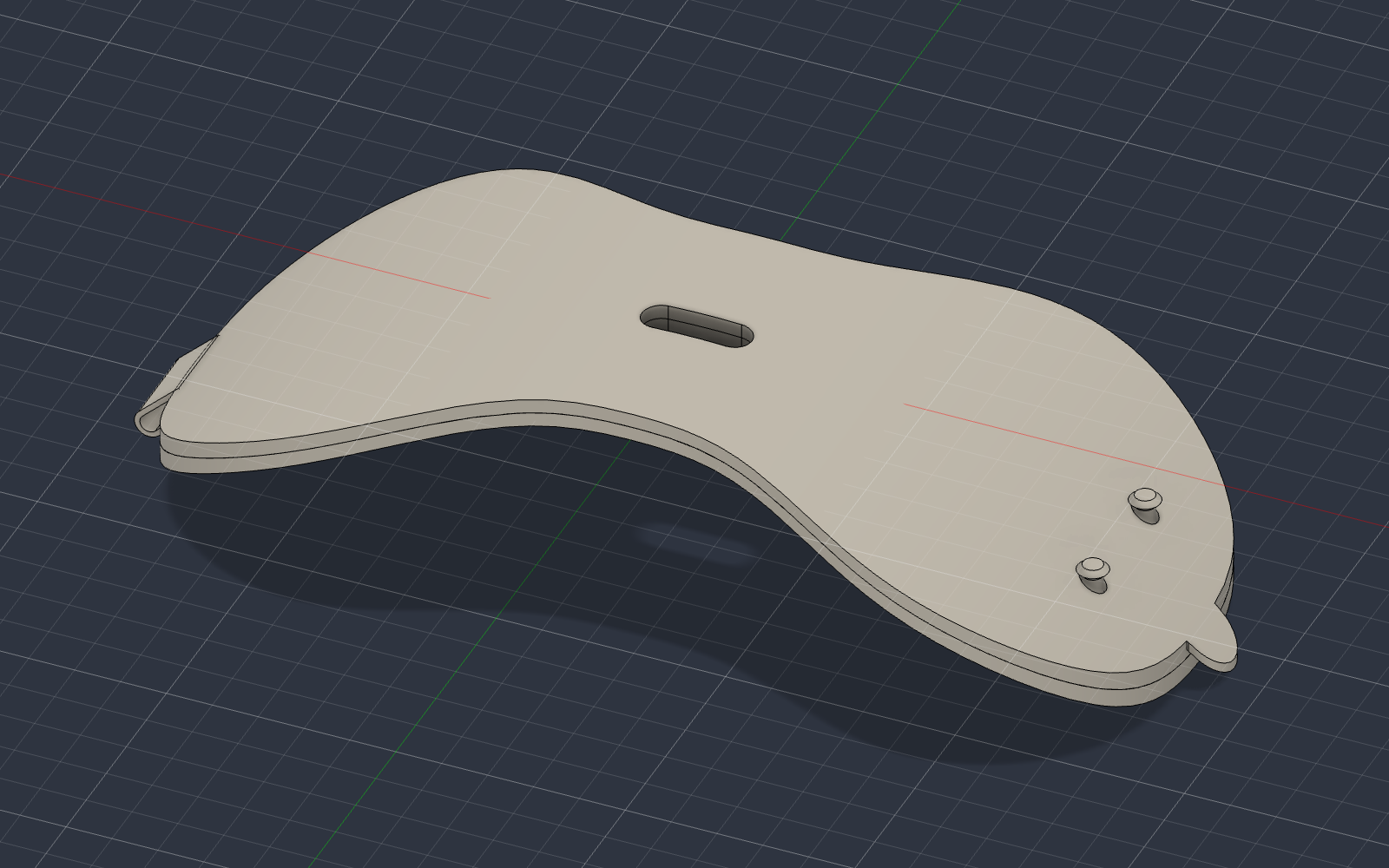
| Regular mouth tape | Zzip | |
|---|---|---|
| Keeps your mouth closed | ✓ | ✓ |
| Measures your breathing | — | ✓ |
| Detects snoring | — | ✓ |
| Responds to snoring | — | ✓ |
| Smart wake-up window | — | ✓ |
| Shows you the results | — | ✓ |
- Keeps your mouth closed, comfortablyA flexible silicone body with an integrated, skin-friendly adhesive, shaped around the mouth.
- Follows every breathA thermistor near the nose counts each breathing cycle directly from the warm and cool air of your breath.
- Hears snoring and respondsA microphone detects snoring; a gentle vibration is designed to encourage you to change position without waking you.
- Wakes you at a better momentA smart alarm looks for a suitable moment in the window before your alarm time.
- Your whole night on one screenOptical pulse and SpO₂ signals, movement and temperature come together in the Zzip app.
If you are curious about mouth taping, Zzip is worth following: it is the version that shows you whether it actually works for you.
Zzip is a prototype in development. Features and measurement performance are being tested. It is not a medical device and does not diagnose or treat sleep apnea or any other condition.
Frequently asked questions
Is it normal for children to breathe through their mouth?
During a cold, yes. If a child breathes through the mouth most of the time, or every night, it usually means something is making nasal breathing hard and it is worth a check.
Why does my child breathe through their mouth at night?
The most common reasons are enlarged adenoids or tonsils, allergies and frequent colds or sinus problems. These narrow the airway, especially when lying down.
Can mouth breathing in children be corrected?
Usually, by treating the cause: allergy care, removing large adenoids or tonsils, or other treatment a specialist recommends. Some children need help to break the habit afterwards, and some need orthodontic treatment.
When should I worry about my child’s mouth breathing?
See a doctor if your child mouth-breathes most of the time, snores regularly, has pauses or gasps in breathing at night, is very tired or unsettled during the day, or the dentist notices changes in the teeth or jaw.
Can mouth breathing cause ADHD-like symptoms?
Disturbed sleep linked to mouth breathing and sleep apnea can cause irritability, restlessness and attention problems that look similar. A doctor can help work out whether sleep is playing a part.
Sources
- Cleveland Clinic. Mouth Breathing: Symptoms, Complications & Treatment.
- Marcus CL. et al.; American Academy of Pediatrics (2012). Diagnosis and management of childhood obstructive sleep apnea syndrome. Pediatrics 130(3):576-84.
- Vaishnavi P. et al. (2026). Association between mouth breathing and pediatric obstructive sleep apnea: a systematic review. European Archives of Oto-Rhino-Laryngology 283(2):1215-1224.
- Lekvijittada K, Uengkajornkul P, Changsiripun C (2026). Dental arch dimension and palatal morphology in children and adolescents with mouth breathing: a systematic review and meta-analysis. BMC Oral Health 26:1047.
- Sleep Foundation (2025). Sleeping With Your Mouth Open.
This article is for general information only and is not medical advice. If you have symptoms of a sleep or breathing disorder, talk to a qualified healthcare professional.