Stuffy Nose at Night: Why It Happens When You Lie Down and What Helps
Your nose feels fine all evening, then the moment your head hits the pillow, one side blocks up. It is one of the most common sleep complaints, and it usually has an ordinary explanation. Here is what is going on and what you can do about it tonight.
Why your nose gets stuffy at night
A stuffy nose at night rarely has a single cause. Usually several small things stack up once you lie down and the room goes quiet.
1. Lying flat
When you are upright, gravity helps mucus drain from your nose and sinuses. Lie down and that help disappears. Cleveland Clinic explains that mucus can pool in the nasal passages and sinuses, which is why people with sinus inflammation often feel worse in bed than during the day.
2. The nasal cycle
Your two nostrils take turns. The tissue on one side swells slightly while the other side opens up, then they switch. This is called the nasal cycle, and most people never notice it during the day.
A 2016 study that measured airflow in each nostril for 24 hours found that the cycle lasted on average about 2 hours while awake and about 4.5 hours during sleep. It also found that body position matters: when people lay on one side, airflow shifted toward the upper nostril. In everyday terms, the nostril closer to the pillow tends to close up. If you only ever feel one side blocked at night, and it switches when you turn over, this is probably why.
3. Allergens in the bedroom
Bedrooms collect dust, pet dander and mould, and pollen comes in on your hair and clothes. Breathing these for hours, with your face close to the pillow, can keep the nasal lining irritated and swollen.
4. Acid reflux
Lying down makes it easier for stomach acid to travel upward. Cleveland Clinic notes that reflux can irritate the throat and sinuses and trigger more mucus and congestion. If you also have heartburn, a sour taste in the morning or a cough at night, reflux is worth considering. It is also a common reason for a sore throat in the morning.
5. Dry air
Heating and air conditioning can dry out bedroom air. A dry nasal lining feels uncomfortable and can make congestion feel worse.
6. Structural or ongoing problems
A deviated septum, nasal polyps, enlarged turbinates or chronic sinusitis can narrow the nose all the time, and the effects are felt most at night. These need a doctor, usually an ENT specialist, to diagnose.
Match your symptoms to the likely cause
| What you notice | Likely cause | What to try first |
|---|---|---|
| One side blocks, switches when you turn over | Nasal cycle and posture | Change sides, raise your head |
| Worse in bed, better soon after getting up | Mucus pooling while flat | Elevate head and shoulders, saline rinse |
| Sneezing, itchy eyes, worse in certain seasons or with pets | Allergies | Clean bedding weekly, pets out of the bedroom, talk to a pharmacist |
| Heartburn, sour taste, night cough | Acid reflux | No late meals, head raised, see a doctor if frequent |
| Dry, crusty nose in winter | Dry indoor air | Humidifier, saline spray |
| Blocked most nights for weeks, both sides or always the same side | Possible structural problem or chronic sinusitis | See a doctor or ENT |
| Blocked again soon after using a decongestant spray | Rebound congestion | Stop overusing it and talk to a professional |
How to unblock your nose at night
- Raise your head and shoulders. A wedge pillow or raising the head of the bed helps mucus drain better than stacking pillows, which mostly bends your neck.
- Rinse with saline. A saline spray or a nasal rinse before bed loosens mucus and washes out allergens. Use sterile, distilled or previously boiled and cooled water for rinses, never straight tap water.
- Make the bedroom an allergen-light zone. Change sheets at least once a week, keep pets off the bed, and shower before sleep if you have been outside on a high-pollen day.
- Add some moisture. A clean humidifier can help if your air is dry. Clean it regularly so it does not grow mould.
- Drink enough during the day. Staying hydrated helps keep mucus thinner.
- Manage reflux. Avoid large meals and alcohol late in the evening. Cleveland Clinic suggests that sleeping on your left side may help, since right-side sleeping can let acid travel more easily.
- Use medicines as directed. For allergies, a pharmacist or doctor can suggest antihistamines or steroid nasal sprays, which work differently from decongestants.
A word on decongestant sprays
Sprays that shrink swollen nasal tissue (such as those with xylometazoline or oxymetazoline) can open your nose within minutes. The catch is that using them too long makes the nose swell back up, often worse, as soon as the effect wears off. This is called rebound congestion, or rhinitis medicamentosa, and it can trap people in a cycle of using the spray every night.
In April 2026 the UK medicines regulator shortened its advice for these sprays to no more than 5 consecutive days, down from 7. Always follow the label for your product, and see a doctor if your nose has not improved after that. If you already struggle to stop using a spray, a healthcare professional can help you come off it safely.
Why a blocked nose matters for sleep
When your nose closes, you switch to breathing through your mouth. That can mean a dry mouth, a sore throat, snoring and more broken sleep. Our guide to mouth breathing while sleeping covers the knock-on effects.
It also matters if you use mouth tape. Never tape your mouth on a night when your nose is blocked. If you want to know when it is safe and when to skip a night, read can you mouth tape with a stuffy nose.
When to see a doctor
- Your nose is blocked most nights for more than a few weeks.
- It is always the same side that is blocked, or you have frequent nosebleeds.
- You have facial pain, fever, thick coloured mucus that will not clear or a loss of smell.
- You snore loudly, gasp at night or feel very sleepy during the day.
- You cannot stop using a decongestant spray.
Not just tape.
A mouth band that understands your night.
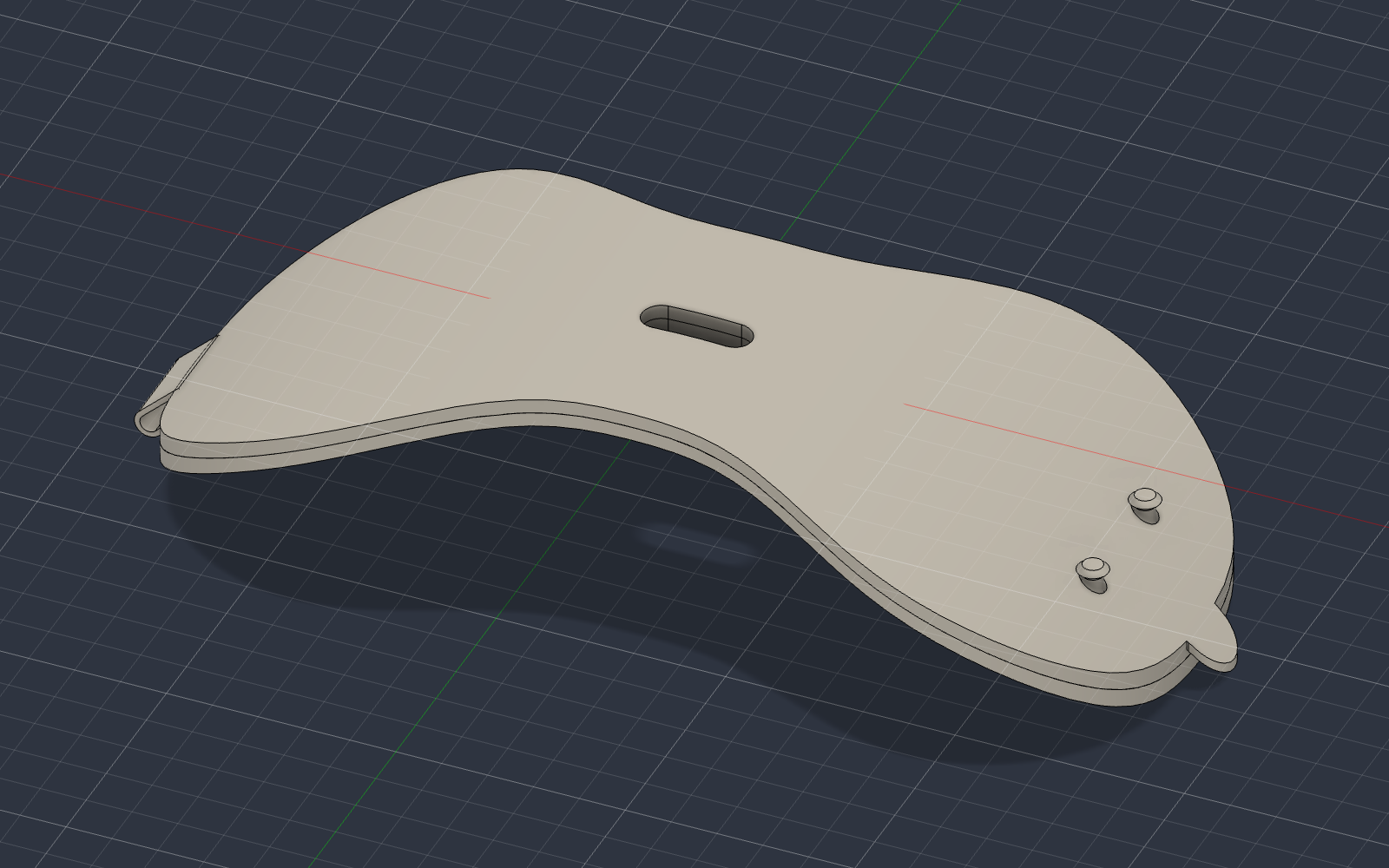
A blocked nose quietly turns a nose breather into a mouth breather for the night, and you rarely notice. Zzip is being developed to measure whether you breathe through your nose or mouth while you sleep, so those nights do not go unseen.
| Regular mouth tape | Zzip | |
|---|---|---|
| Keeps your mouth closed | ✓ | ✓ |
| Measures your breathing | — | ✓ |
| Detects snoring | — | ✓ |
| Responds to snoring | — | ✓ |
| Smart wake-up window | — | ✓ |
| Shows you the results | — | ✓ |
- Keeps your mouth closed, comfortablyA flexible silicone body with an integrated, skin-friendly adhesive, shaped around the mouth.
- Follows every breathA thermistor near the nose counts each breathing cycle directly from the warm and cool air of your breath.
- Hears snoring and respondsA microphone detects snoring; a gentle vibration is designed to encourage you to change position without waking you.
- Wakes you at a better momentA smart alarm looks for a suitable moment in the window before your alarm time.
- Your whole night on one screenOptical pulse and SpO₂ signals, movement and temperature come together in the Zzip app.
If you are curious about mouth taping, Zzip is worth following: it is the version that shows you whether it actually works for you.
Zzip is a prototype in development. Features and measurement performance are being tested. It is not a medical device and does not diagnose or treat sleep apnea or any other condition.
Frequently asked questions
Why does my nose get stuffy only when I lie down?
Lying flat makes it harder for mucus to drain, and posture shifts the nasal cycle so the lower nostril tends to congest. Allergens in bedding and acid reflux can add to it.
Why is only one nostril blocked at night?
That is usually the nasal cycle, the normal back-and-forth swelling between the two sides of the nose. Lying on your side tends to favour airflow through the upper nostril. If it is always the same side, see a doctor to rule out a deviated septum or polyps.
What is the best sleeping position for a stuffy nose?
Sleeping with your head and shoulders raised helps mucus drain. If one side blocks, turning over can help the other side open. Left-side sleeping may also help if reflux is part of the problem.
How can I unblock my nose quickly at night?
A saline spray or rinse and raising your head are quick, low-risk steps. Decongestant sprays work faster but should only be used for a few days, following the label.
Can you sleep with mouth tape if your nose is stuffy?
No. If your nose is blocked, you need your mouth to breathe. Skip mouth tape on those nights.
Sources
- Cleveland Clinic. Why Does My Nose Get Stuffy at Night? Health Essentials.
- Kahana-Zweig R, Geva-Sagiv M, Weissbrod A, Secundo L, Soroker N, Sobel N (2016). Measuring and Characterizing the Human Nasal Cycle. PLoS One 11(10):e0162918.
- Cleveland Clinic. Rhinitis Medicamentosa (Rebound Congestion).
- MHRA (2026). Nasal decongestant sprays and drops containing xylometazoline or oxymetazoline: increased risk of rebound congestion and tachyphylaxis with overuse. Drug Safety Update.
- U.S. Food and Drug Administration. Is Rinsing Your Sinuses With Neti Pots Safe? Consumer Update.
This article is for general information only and is not medical advice. If you have symptoms of a sleep or breathing disorder, talk to a qualified healthcare professional.