Drooling While Sleeping: Why It Happens and When It Matters
A damp patch on the pillow is one of the most common and least talked-about sleep complaints. Most of the time it is just gravity and an open mouth. Sometimes it is a hint about your nose, your stomach or your breathing. Here is how to tell the difference.
Why you drool in your sleep
Your mouth keeps making saliva while you sleep. Awake, you swallow it without thinking. Asleep, you swallow less often, and if your lips are apart, the extra saliva has an easy way out. The Sleep Foundation describes drool as simply the excess that escapes, and notes it becomes more likely when you make more saliva than usual, cannot keep it in your mouth, or have trouble swallowing.
Three ingredients usually come together:
- Gravity. Side and stomach sleepers are more likely to drool than back sleepers, because saliva pools toward the lower corner of the mouth.
- An open mouth. If your lips part during sleep, there is nothing to hold saliva in. Cleveland Clinic lists drooling during sleep as one of the shared signs of mouth breathing in adults and children.
- Less swallowing. Deep relaxation means the swallowing reflex fires less often.
Common causes of drooling at night
| Cause | How it leads to drooling | Clues |
|---|---|---|
| Side or stomach sleeping | Gravity pulls saliva out of an open mouth | Wet patch on the side you sleep on |
| Sleeping with your mouth open | Nothing holds saliva in | Dry mouth on waking, snoring |
| Blocked nose, allergies, sinus infection | Forces breathing through the mouth | Stuffy nose at bedtime, seasonal pattern |
| Throat infections (strep, tonsillitis) | Swallowing hurts, so you swallow less | Sore throat, fever, recent onset |
| Acid reflux (GERD) | Irritation can increase saliva and make swallowing harder | Heartburn, sour taste, cough at night |
| Some medicines | Increase saliva production | Started after a new prescription |
| Sleep apnea | Often comes with mouth breathing | Loud snoring, gasping, daytime sleepiness |
| Neurological conditions | Affect swallowing and lip control | Drooling while awake too |
The Sleep Foundation names some antibiotics, antipsychotics and Alzheimer’s medicines among drugs that can increase saliva. Do not stop a prescription on your own; ask the prescriber whether an alternative makes sense. Cleveland Clinic adds that if you have always slept on your side or stomach and drooling has only recently started, allergies, an infection or reflux may be involved.
Sleeping with your mouth open and drooling
Drooling and an open mouth go together so often that many people search for them as one problem. The open mouth is usually the part to work on, because it also explains the dry mouth, snoring and bad breath that often come with a wet pillow. Our guide to sleeping with your mouth open covers why the jaw drops at night and how to change it.
There is a trade-off to know about. Back sleeping keeps saliva in the mouth, so it tends to reduce drooling. But for many people back sleeping makes the jaw fall open and snoring worse. If you snore, side sleeping with a clear nose is usually the better compromise. Our guide to the best sleeping position for snoring explains why.
Is drooling in your sleep a sign of sleep apnea?
Not by itself. Plenty of people drool without any breathing problem. But obstructive sleep apnea often involves mouth breathing, and the Sleep Foundation notes that this can increase drooling. Drooling is more worth investigating when it comes with:
- loud snoring most nights;
- gasping, choking or pauses in breathing that someone else notices;
- morning headaches or a dry mouth and sore throat on waking;
- strong daytime sleepiness or trouble concentrating.
If several of these apply, talk to a doctor about a sleep assessment. Our overview of sleep apnea symptoms lists the full set of warning signs.
How to stop drooling while sleeping
- Clear your nose before bed. Saline rinses, allergy treatment and a humidifier can make it easier to breathe with your mouth closed.
- Experiment with position. If you do not snore, back sleeping with a supportive pillow may reduce drooling. If you do snore, stay on your side and focus on keeping the mouth closed.
- Raise your head slightly. The Sleep Foundation suggests a more upright position with pillows can help.
- Treat reflux. Avoid large meals and alcohol close to bedtime and talk to a doctor if heartburn is frequent.
- Review medicines with your doctor if the drooling started after a new prescription.
- Consider keeping the lips closed, if your nose is fully clear. Some people use mouth tape or an oral appliance; neither is safe with a blocked nose, and an oral appliance should be fitted by a dentist.
- Protect your skin. Constant moisture can cause cracked, sore corners of the mouth. A barrier balm on the skin around the lips, not on the lips if you tape, can help.
For persistent, heavy drooling linked to a medical condition, specialists can offer treatments such as medicines that reduce saliva, injections into the salivary glands, swallowing therapy and, rarely, surgery.
When drooling needs a doctor
- drooling that started suddenly or is getting heavier;
- drooling while awake, not just in sleep;
- trouble swallowing, choking or coughing on saliva;
- drooling with a high fever, severe sore throat or difficulty opening the mouth;
- new weakness of the face, slurred speech or other neurological signs, which need urgent care;
- persistent sores at the corners of the mouth.
Not just tape.
A mouth band that understands your night.
A wet pillow tells you your mouth was open, but not for how long or why. Zzip is being developed to measure nose and mouth breathing and snoring through the night, so you can see whether changes to your nose, position or routine are actually keeping your mouth closed.
| Regular mouth tape | Zzip | |
|---|---|---|
| Keeps your mouth closed | ✓ | ✓ |
| Measures your breathing | — | ✓ |
| Detects snoring | — | ✓ |
| Responds to snoring | — | ✓ |
| Smart wake-up window | — | ✓ |
| Shows you the results | — | ✓ |
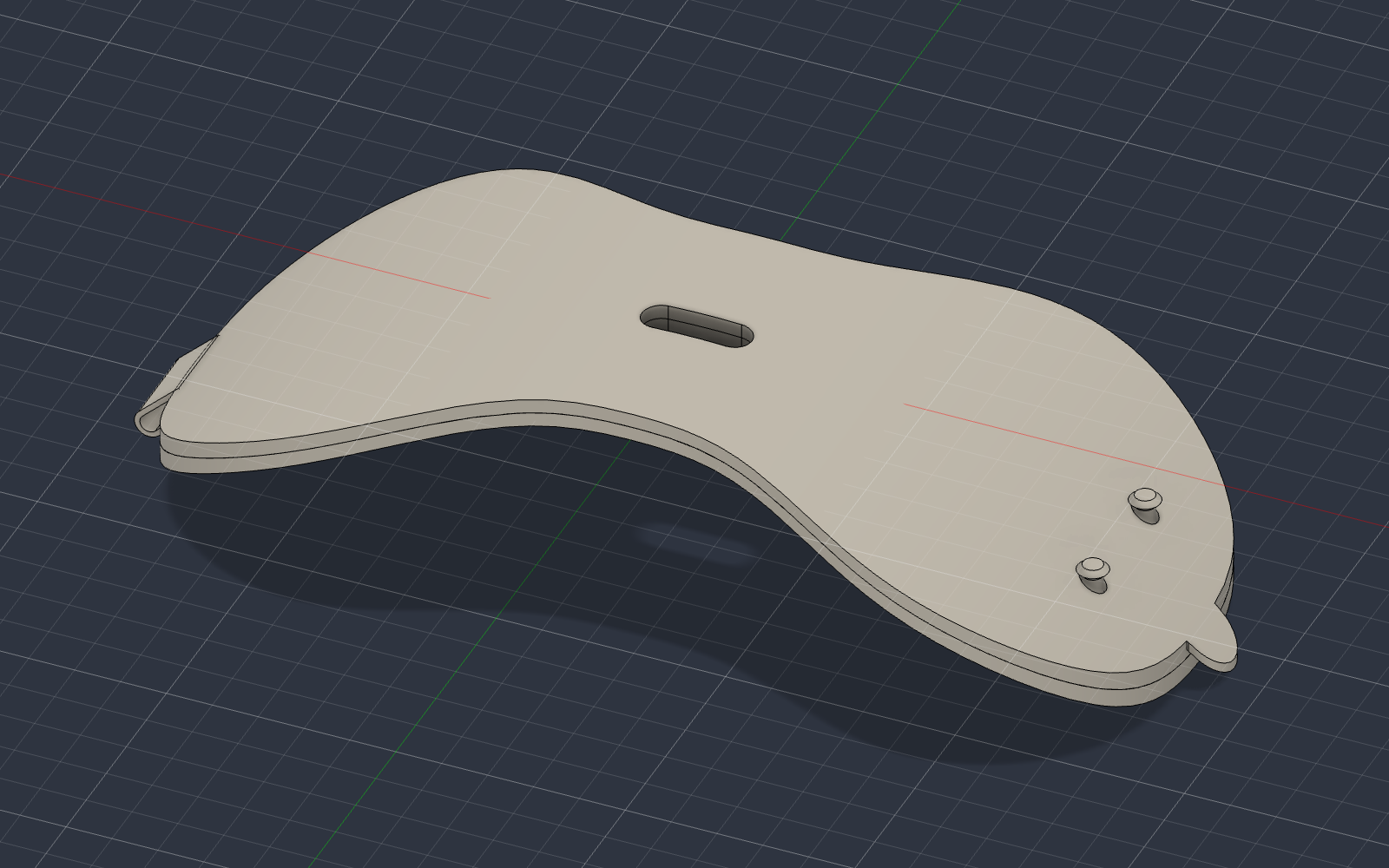
- Keeps your mouth closed, comfortablyA flexible silicone body with an integrated, skin-friendly adhesive, shaped around the mouth.
- Follows every breathA thermistor near the nose counts each breathing cycle directly from the warm and cool air of your breath.
- Hears snoring and respondsA microphone detects snoring; a gentle vibration is designed to encourage you to change position without waking you.
- Wakes you at a better momentA smart alarm looks for a suitable moment in the window before your alarm time.
- Your whole night on one screenOptical pulse and SpO₂ signals, movement and temperature come together in the Zzip app.
If you are curious about mouth taping, Zzip is worth following: it is the version that shows you whether it actually works for you.
Zzip is a prototype in development. Features and measurement performance are being tested. It is not a medical device and does not diagnose or treat sleep apnea or any other condition.
Frequently asked questions
Why do I drool so much when I sleep?
Most often because you sleep on your side or stomach with your mouth open. A blocked nose, allergies, reflux, throat infections and some medicines can make it worse.
Is drooling while sleeping a good sign?
You may have heard that drooling means deep sleep. There is no good evidence for that. Drooling mostly reflects position and an open mouth, not sleep quality.
Is drooling in your sleep normal?
Occasional drooling is common and usually harmless. Sudden, heavy or constant drooling, or drooling with trouble swallowing, should be checked by a doctor.
Can drooling be a sign of sleep apnea?
It can come with sleep apnea because both are linked to mouth breathing, but drooling alone is not a reliable sign. Loud snoring, breathing pauses and daytime sleepiness are stronger clues.
Why have I suddenly started drooling in my sleep?
A recent change can come from a cold, allergies, a sinus or throat infection, reflux or a new medicine. If it started suddenly together with facial weakness or trouble speaking or swallowing, seek medical help straight away.
Sources
This article is for general information only and is not medical advice. If you have symptoms of a sleep or breathing disorder, talk to a qualified healthcare professional.