Sleeping With Your Mouth Open: Why It Happens and How to Stop
A partner’s photo, a damp pillow or a dry mouth at dawn: most people find out they sleep with their mouth open by accident. It is common and often harmless, but when it happens every night it is worth understanding, because an open mouth changes how your airway behaves.
Why do I sleep with my mouth open?
When you fall asleep, the muscles that hold your jaw and lips together relax. Whether your mouth stays closed then depends on a few things:
- Your nose. If it is congested, narrow or partly blocked, your body opens the mouth to get enough air. The Sleep Foundation lists colds, allergies, asthma, nasal polyps and a deviated septum among the causes.
- Your position. Lying on your back lets gravity pull the lower jaw down and back.
- Your anatomy. Teeth that do not line up, or a jaw that sits further back, can make it hard to close the lips fully at rest.
- Sleep apnea. In obstructive sleep apnea the airway repeatedly narrows, and an open mouth often comes with it.
- Habit. After a long cold or allergy season, some people keep sleeping with an open mouth even when the nose is clear again.
The underlying reasons people breathe through the mouth at night are covered in detail in our guide to mouth breathing while sleeping. Here we focus on the open-mouth habit itself.
Open mouth vs mouth breathing: not quite the same
An open mouth does not automatically mean all your air goes through it. Many people sleep with their lips apart while still breathing partly through the nose. In a Norwegian sleep-clinic study that measured oral and nasal airflow during sleep, patients found not to have sleep-disordered breathing spent on average about 10% of their sleep breathing through the mouth, with wide variation between individuals.
Still, an open mouth makes mouth breathing far more likely, and it has its own effect on the airway. That is why the habit is worth paying attention to even if you are not sure how much air goes where.
What an open mouth does to your airway
When the jaw drops, the tongue and the soft tissues of the throat move back with it. In a small 1996 sleep-lab study of six healthy volunteers, researchers measured how easily the upper airway collapsed with the mouth open and with it closed. With the mouth open, the airway collapsed more easily and breathing resistance was higher. The authors concluded that mouth opening may contribute to breathing problems during sleep.
It is a small study, but it fits what people notice in practice: open-mouth sleepers tend to snore more, and snoring is the sound of a narrowed, vibrating airway.
Is sleeping with your mouth open bad?
Occasionally, for example during a cold, it is not a concern. As a nightly pattern, the Sleep Foundation and Cleveland Clinic link it to:
| Effect | Why it happens |
|---|---|
| Dry mouth and sore throat | Air moving over the mouth and throat all night evaporates saliva |
| Bad breath | Less saliva to wash away bacteria |
| Cavities and gum problems | Saliva normally protects teeth and gums |
| Snoring | Jaw and tongue fall back, narrowing the airway |
| Poorer sleep, morning tiredness | Snoring and disturbed breathing fragment sleep |
| Drooling | Saliva escapes through open lips |
| Reduced CPAP effectiveness | Air leaks out through the mouth |
If the most noticeable sign for you is a wet pillow, our guide to drooling while sleeping covers that separately. In children the stakes are higher, because chronic mouth breathing has been linked to changes in facial and dental development. Cleveland Clinic notes adults’ mouth breathing is usually not a serious health issue, but it can affect sleep quality and morning breath.
How to stop sleeping with your mouth open
- Check your nose while awake. Close your mouth and breathe through your nose for a few minutes. If that is hard, the nose is where to start.
- Treat congestion. Saline rinses before bed, allergy treatment as advised by a pharmacist or doctor, and a humidifier can help. Chronic blockage deserves an ENT visit.
- Sleep on your side. It keeps the jaw from dropping back. A body pillow or a pillow behind your back can stop you rolling over. See our guide to the best sleeping position for snoring.
- Raise your head slightly with a wedge pillow or bed risers rather than stacked pillows.
- Practise nasal breathing in the day. Notice when your mouth hangs open while reading or working and close it. Daytime habits tend to carry into the night.
- Consider a mechanical aid, if your nose is clear. Mouth tape keeps the lips closed; a chin strap supports the jaw. Our comparison of mouth tape vs chin strap explains the trade-offs. Neither is safe with a blocked nose, and neither treats sleep apnea.
- Get the cause treated. A deviated septum, nasal polyps, large tonsils or sleep apnea may need medical treatment.
When to see a doctor
- your nose is blocked most nights;
- you snore loudly, or someone has noticed pauses in your breathing;
- you wake up gasping or choking;
- you feel very sleepy during the day despite enough time in bed;
- a child regularly sleeps with an open mouth or snores.
Not just tape.
A mouth band that understands your night.
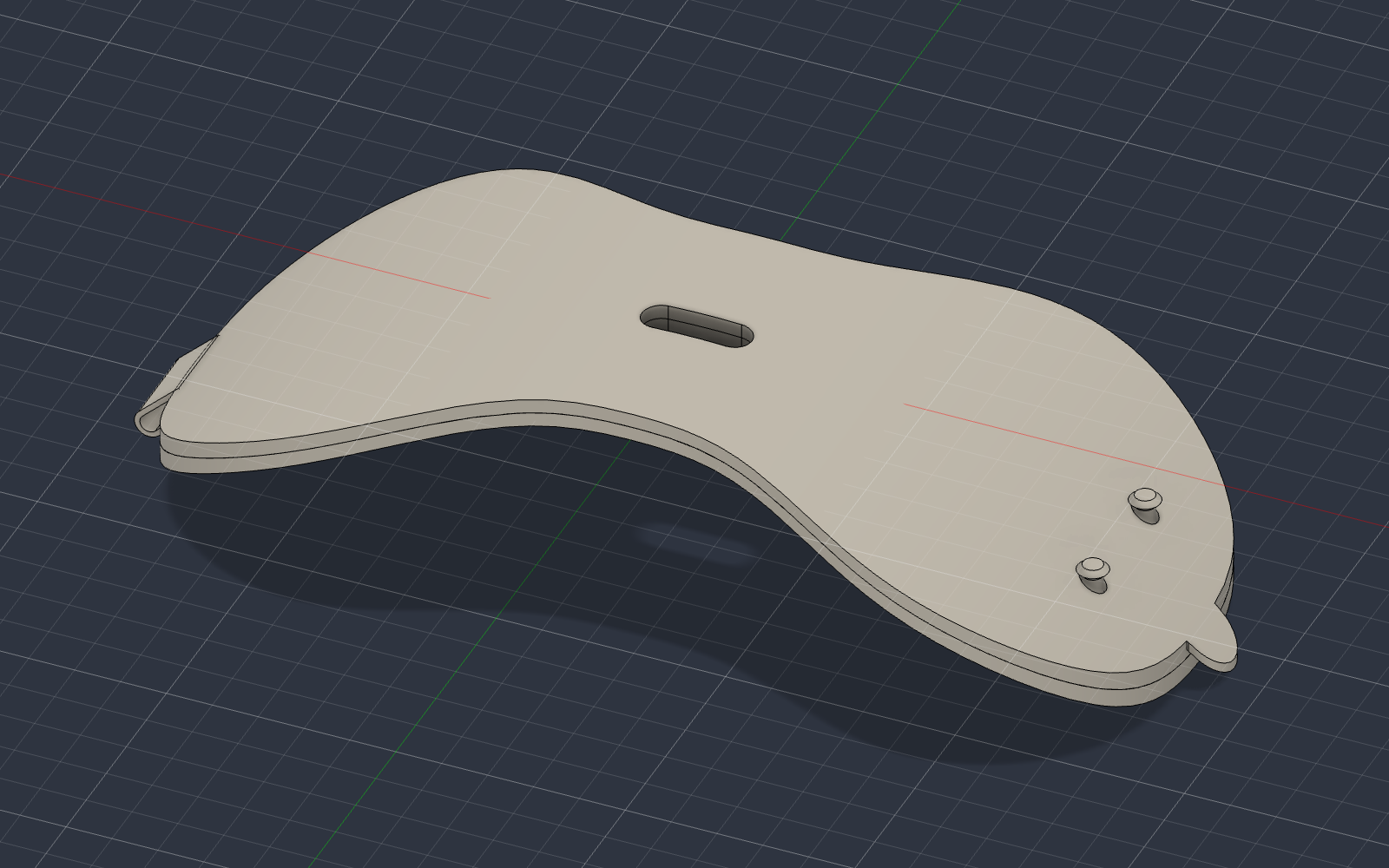
Most people only learn they sleep with their mouth open from someone else. Zzip is being developed to measure nose and mouth airflow through the night, so you can see how often your mouth opens and whether your changes are reducing it.
| Regular mouth tape | Zzip | |
|---|---|---|
| Keeps your mouth closed | ✓ | ✓ |
| Measures your breathing | — | ✓ |
| Detects snoring | — | ✓ |
| Responds to snoring | — | ✓ |
| Smart wake-up window | — | ✓ |
| Shows you the results | — | ✓ |
- Keeps your mouth closed, comfortablyA flexible silicone body with an integrated, skin-friendly adhesive, shaped around the mouth.
- Follows every breathA thermistor near the nose counts each breathing cycle directly from the warm and cool air of your breath.
- Hears snoring and respondsA microphone detects snoring; a gentle vibration is designed to encourage you to change position without waking you.
- Wakes you at a better momentA smart alarm looks for a suitable moment in the window before your alarm time.
- Your whole night on one screenOptical pulse and SpO₂ signals, movement and temperature come together in the Zzip app.
If you are curious about mouth taping, Zzip is worth following: it is the version that shows you whether it actually works for you.
Zzip is a prototype in development. Features and measurement performance are being tested. It is not a medical device and does not diagnose or treat sleep apnea or any other condition.
Frequently asked questions
Why do I sleep with my mouth open?
Most often because your nose does not let enough air through, because sleeping on your back lets your jaw drop, or out of habit. Less often it is linked to the shape of the jaw and teeth or to sleep apnea.
Is it bad to sleep with your mouth open?
Now and then it is not a concern. Every night it is linked to dry mouth, bad breath, dental problems, snoring and poorer sleep, so it is worth looking for the cause.
How can I keep my mouth closed while sleeping?
Make sure your nose is clear, sleep on your side, raise your head slightly and practise nasal breathing during the day. Some people use mouth tape or a chin strap, but only with a clear nose and not as a treatment for sleep apnea.
Is sleeping with your mouth open a sign of sleep apnea?
It can be one sign, but many people sleep with their mouth open without having sleep apnea. Loud snoring, breathing pauses, gasping and daytime sleepiness are stronger warning signs.
Does sleeping with your mouth open change your face?
In children, chronic mouth breathing has been linked to changes in facial development. In adults there is no good evidence that it reshapes the face.
Sources
- Sleep Foundation (2025). Sleeping With Your Mouth Open.
- Cleveland Clinic. Mouth Breathing: Symptoms, Complications & Treatment.
- Meurice JC, Marc I, Carrier G, Sériès F (1996). Effects of mouth opening on upper airway collapsibility in normal sleeping subjects. American Journal of Respiratory and Critical Care Medicine 153(1):255-9.
- Oeverland B, Akre H, Skatvedt O (2002). Oral breathing in patients with sleep-related breathing disorders. Acta Oto-Laryngologica 122(6):651-4.
This article is for general information only and is not medical advice. If you have symptoms of a sleep or breathing disorder, talk to a qualified healthcare professional.