Mouth Breathing While Sleeping: Causes, Effects & How to Stop
Waking up with a dry mouth, a sore throat or a partner complaining about your snoring? You might be breathing through your mouth at night. Here is why it happens, why it matters and what you can do about it.
What is mouth breathing?
Mouth breathing means regularly breathing through your mouth instead of your nose. During the day most people notice it and close their mouth. At night you cannot, so mouth breathing while sleeping often goes unnoticed for years. The usual clues show up in the morning: a dry mouth, bad breath, a hoarse voice or a pillow wet from drooling.
Why you breathe through your mouth at night
Your body switches to the mouth when the nose cannot deliver enough air. According to Cleveland Clinic, the most common reasons are:
- Nasal congestion from colds, allergies or sinusitis;
- A deviated septum, where the wall between the nostrils is off-center;
- Enlarged turbinates, the structures inside the nose that warm and clean air;
- Nasal polyps, soft growths inside the nose;
- Swollen tonsils or adenoids, especially in children;
- Obstructive sleep apnea, where the airway repeatedly narrows or closes during sleep.
Sometimes it is simply a habit that continues after a cold or an allergy season, even when the nose is clear again. Sleeping on your back can also make the jaw drop open more easily.
Is mouth breathing bad for you?
Occasional mouth breathing when you have a cold is normal. Chronic mouth breathing during sleep is different. The nose filters, warms and humidifies air; the mouth does not. Reported effects include:
- Dry mouth and bad breath. Less saliva means less natural protection. The American Dental Association links chronic mouth breathing to dry mouth and halitosis, and the Sleep Foundation adds a higher risk of cavities and gum problems.
- Snoring. An open mouth lets the jaw and tongue fall back, which makes the airway more likely to vibrate.
- Poorer sleep. Fragmented sleep, morning headaches and daytime fatigue are common complaints.
- Sore throat and hoarse voice after dry air has passed over the throat all night.
Mouth breathing in children
In children, chronic mouth breathing deserves more attention. Cleveland Clinic notes that it can be linked to changes in facial development and teeth alignment, and that disrupted sleep can show up as irritability, restlessness or attention problems. If your child regularly sleeps with an open mouth or snores, talk to a pediatrician or an ENT specialist.
Signs you breathe through your mouth while sleeping
- You wake up with a dry mouth or need water at night;
- Bad breath or a sore throat in the morning;
- Snoring, or a partner who notices your mouth is open;
- Drooling on the pillow;
- Feeling tired even after a full night in bed.
How to stop mouth breathing at night
- Clear your nose. Saline rinses or sprays and a humidifier can help with dryness and mild congestion. For allergies, ask a pharmacist or doctor about suitable nasal sprays.
- Sleep on your side and try raising your head slightly, which can make it easier to keep the mouth closed.
- Try nasal strips if your nose feels narrow. Results vary from person to person. See our comparison of mouth tape vs nasal strips.
- Consider mouth tape only if you breathe easily through your nose. It can help some people keep their mouth closed, but it is not safe with a blocked nose. Read our guide to mouth tape for sleeping before trying it.
- Treat the cause. A deviated septum, polyps or enlarged adenoids may need medical treatment. An ENT specialist can check your nose and throat.
- Get checked for sleep apnea if you snore loudly, gasp or stop breathing during sleep, or feel very sleepy during the day.
Does mouth tape stop mouth breathing?
Mouth tape keeps the lips together, so it can stop air going in and out of the mouth. What it does not do is fix a blocked nose. A 2025 systematic review found some evidence for less snoring in selected mouth breathers but did not support mouth taping as a clinical treatment, and several studies warned about the risk for people with nasal obstruction. Think of it as a tool for people whose nose already works well, not as a cure.
Not just tape.
A mouth band that understands your night.
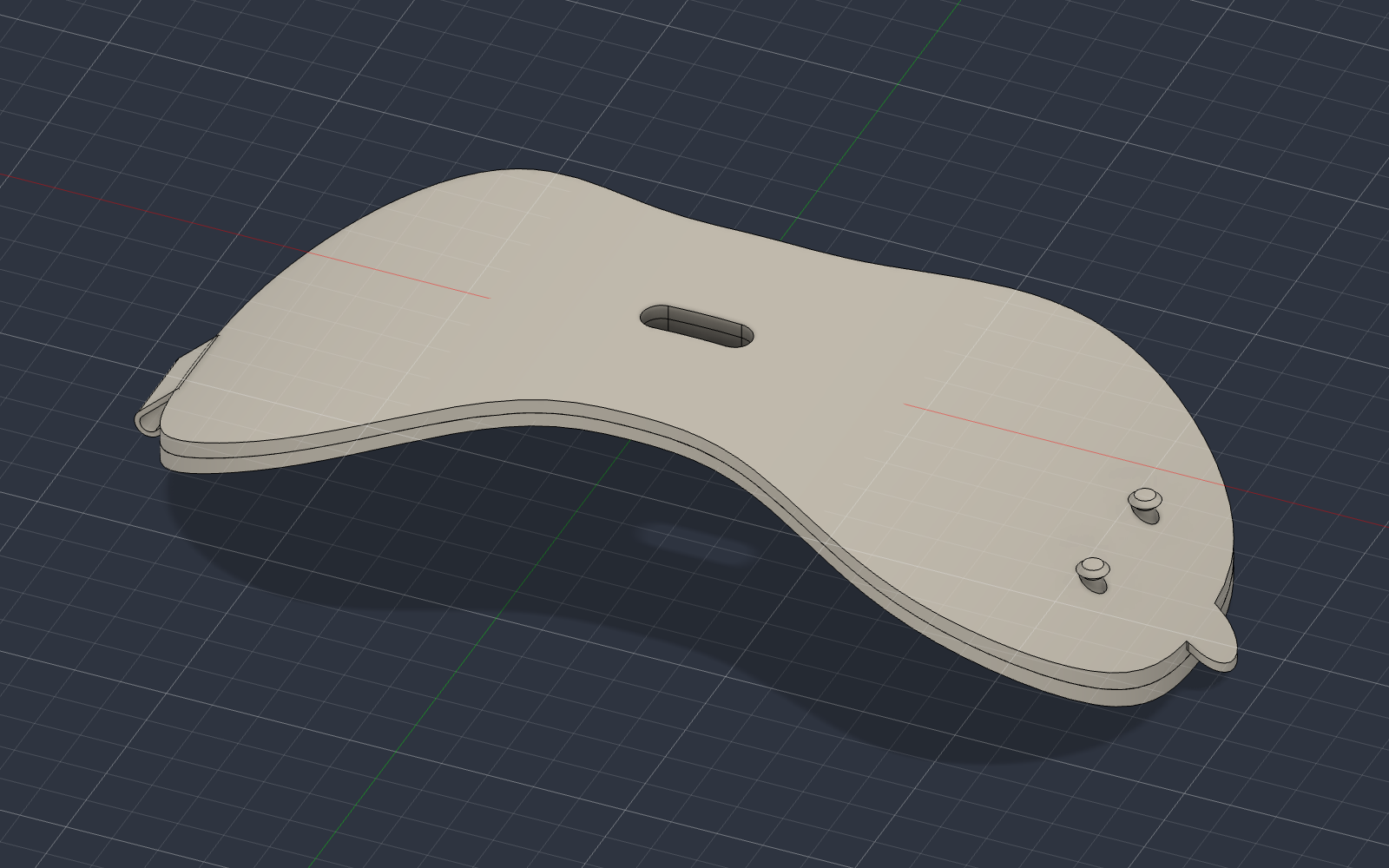
The hardest part of mouth breathing is that you cannot see it: you are asleep. Zzip is designed to make your night visible, so you know whether you breathe through your nose or your mouth, and whether your changes are working.
| Regular mouth tape | Zzip | |
|---|---|---|
| Keeps your mouth closed | ✓ | ✓ |
| Measures your breathing | — | ✓ |
| Detects snoring | — | ✓ |
| Responds to snoring | — | ✓ |
| Smart wake-up window | — | ✓ |
| Shows you the results | — | ✓ |
- Keeps your mouth closed, comfortablyA flexible silicone body with an integrated, skin-friendly adhesive, shaped around the mouth.
- Follows every breathA thermistor near the nose counts each breathing cycle directly from the warm and cool air of your breath.
- Hears snoring and respondsA microphone detects snoring; a gentle vibration is designed to encourage you to change position without waking you.
- Wakes you at a better momentA smart alarm looks for a suitable moment in the window before your alarm time.
- Your whole night on one screenOptical pulse and SpO₂ signals, movement and temperature come together in the Zzip app.
If you are curious about mouth taping, Zzip is worth following: it is the version that shows you whether it actually works for you.
Zzip is a prototype in development. Features and measurement performance are being tested. It is not a medical device and does not diagnose or treat sleep apnea or any other condition.
Frequently asked questions
Why do I breathe through my mouth when I sleep?
Usually because your nose does not let enough air through, for example because of congestion, allergies, a deviated septum, polyps or large tonsils. Sometimes it is a habit or a result of sleeping on your back.
Can mouth breathing cause snoring?
Yes, it is one of the common contributors. An open mouth lets the jaw and tongue move back, which makes the airway more likely to vibrate. Snoring can also have other causes, including sleep apnea.
Is it bad to sleep with your mouth open?
Now and then it is not a concern. Doing it every night is linked to dry mouth, bad breath, dental problems, snoring and poorer sleep, so it is worth finding the cause.
How do I train myself to breathe through my nose at night?
Start by making nasal breathing easy: treat congestion, sleep on your side and practise breathing through your nose during the day. Some people use mouth tape once their nose is clear, but only with purpose-made tape and never with a blocked nose.
Sources
- Cleveland Clinic. Mouth Breathing: Symptoms, Complications & Treatment.
- Sleep Foundation. How To Stop Sleeping With Mouth Open.
- American Dental Association. Mouth taping: The latest social media trend. ADA News.
- Rhee et al. (2025). Mouth taping in patients with mouth breathing, sleep disordered breathing, or obstructive sleep apnea: A systematic review. PLOS One.
This article is for general information only and is not medical advice. If you have symptoms of a sleep or breathing disorder, talk to a qualified healthcare professional.