Mouth Tape for Sleeping: Benefits, Risks & What the Research Says
Taping your mouth shut at night went from a niche biohack to a mainstream trend. Here is what mouth tape actually does, what the research says so far, who should not try it, and how to do it more safely if you do.
What is mouth taping?
Mouth taping means placing a gentle adhesive strip over or across your lips before you fall asleep. The goal is simple: keep your mouth closed so that you breathe through your nose instead of your mouth. Products range from full strips that cover the lips to smaller vertical strips and designs with a central opening that still allow some airflow.
People search for mouth tape for sleeping for three main reasons: to stop mouth breathing, to snore less, and to wake up without a dry mouth.
Why nasal breathing matters at night
Your nose is built for breathing. It filters, warms and humidifies the air before it reaches your lungs. When you breathe through your mouth during sleep, that air arrives drier and unfiltered. Dental experts quoted by the American Dental Association note that chronic mouth breathing reduces saliva, which is linked to dry mouth and bad breath.
Mouth breathing is also associated with snoring. When the mouth falls open, the jaw and tongue can move backward and the airway can vibrate more easily. That is the logic behind mouth tape: if the mouth stays closed, some people may snore less.
Does mouth tape work? What the research says
The honest answer: sometimes, for some people, and the research is still early.
The encouraging study
A 2022 preliminary study followed 20 mouth breathers with mild obstructive sleep apnea who wore mouth tape during sleep. The median snoring index dropped by about 47%, and the apnea-hypopnea index (AHI) fell from 8.3 to 4.7 events per hour. Around two thirds of participants were classed as good responders. The authors suggested mouth taping could be explored as an option for mild cases before moving to other treatments.
The bigger picture
A 2025 systematic review in PLOS One looked at 10 studies with 213 patients in total. Three studies reported less snoring, but only 2 of the 6 studies that measured AHI found a statistically significant improvement, and those involved mild cases. Four studies warned about the risk of breathing obstruction in people with a blocked nose. The authors concluded that the existing data does not support mouth taping as a sound clinical intervention for the general population with sleep-disordered breathing.
Bottom line: mouth tape may help some people who breathe through their mouth and snore lightly, but it is not a proven treatment, and it is not a substitute for a sleep evaluation.
Is mouth taping safe?
For a healthy adult who breathes easily through the nose, a gentle, purpose-made mouth tape is generally considered low risk. The main danger is simple: if your nose becomes blocked while your mouth is taped, you may not be able to breathe properly. That is why the American Dental Association and the review authors highlight the risk for people with nasal obstruction.
Do not use mouth tape if you:
- have a stuffy nose, a cold, allergies that block your nose, or sinus problems;
- have a deviated septum, nasal polyps or enlarged tonsils;
- snore loudly, stop breathing or gasp during sleep, or feel very tired during the day. These can be signs of obstructive sleep apnea, which needs a proper diagnosis;
- have been drinking alcohol or have taken sedatives or sleeping pills;
- feel nauseous or anxious with your mouth covered;
- are choosing for a child. Children should not use mouth tape without medical advice.
A simple self-check: close your mouth and breathe only through your nose for a few minutes while awake and relaxed. If that feels difficult, mouth tape is not for you right now.
Mouth tape for snoring
Mouth tape for snoring can only help with snoring that comes from breathing through an open mouth. Snoring that starts in the nose or throat will not go away with tape, and in some cases tape may hide a symptom that deserves attention. If your partner notices pauses in your breathing, choking sounds or very loud nightly snoring, see a doctor or ask about a sleep study before experimenting.
How to try mouth tape for sleeping
- Check your nose first. Only try it on nights when you can breathe freely through your nose.
- Use tape made for skin and lips. Never use office tape, duct tape or anything not designed for the face.
- Start while awake. Wear it for 10 to 20 minutes while reading or relaxing to get used to the feeling.
- Apply to clean, dry lips. Skip lip balm right before applying so the adhesive holds gently.
- Choose a design that is easy to remove. A strip with a pull tab or a central opening lets you open your mouth quickly if you need to.
- Stop if anything feels wrong. Anxiety, skin irritation or waking up gasping are clear signals to stop and talk to a professional.
How to choose the best mouth tape
There is no single best mouth tape for everyone, but good options share a few traits:
- Skin-friendly, hypoallergenic adhesive that holds through the night and peels off without pulling skin.
- Breathable material so the skin around the lips does not get sweaty or irritated.
- A shape that fits your comfort level: full-cover strips, vertical lip strips, or designs with a central vent that still allow a little airflow.
- Easy, fast removal in case you need to cough, speak or breathe through your mouth.
Mouth tape vs nasal strips
They solve different problems. Nasal strips (and nasal dilators) try to open the nose so more air flows through it. Mouth tape tries to keep the mouth closed so you use the nose you already have. If your nose feels narrow or blocked, a nasal strip or a visit to an ENT specialist makes more sense than taping your mouth. Some people combine both, but only when nasal breathing is comfortable.
Not just tape.
A mouth band that understands your night.
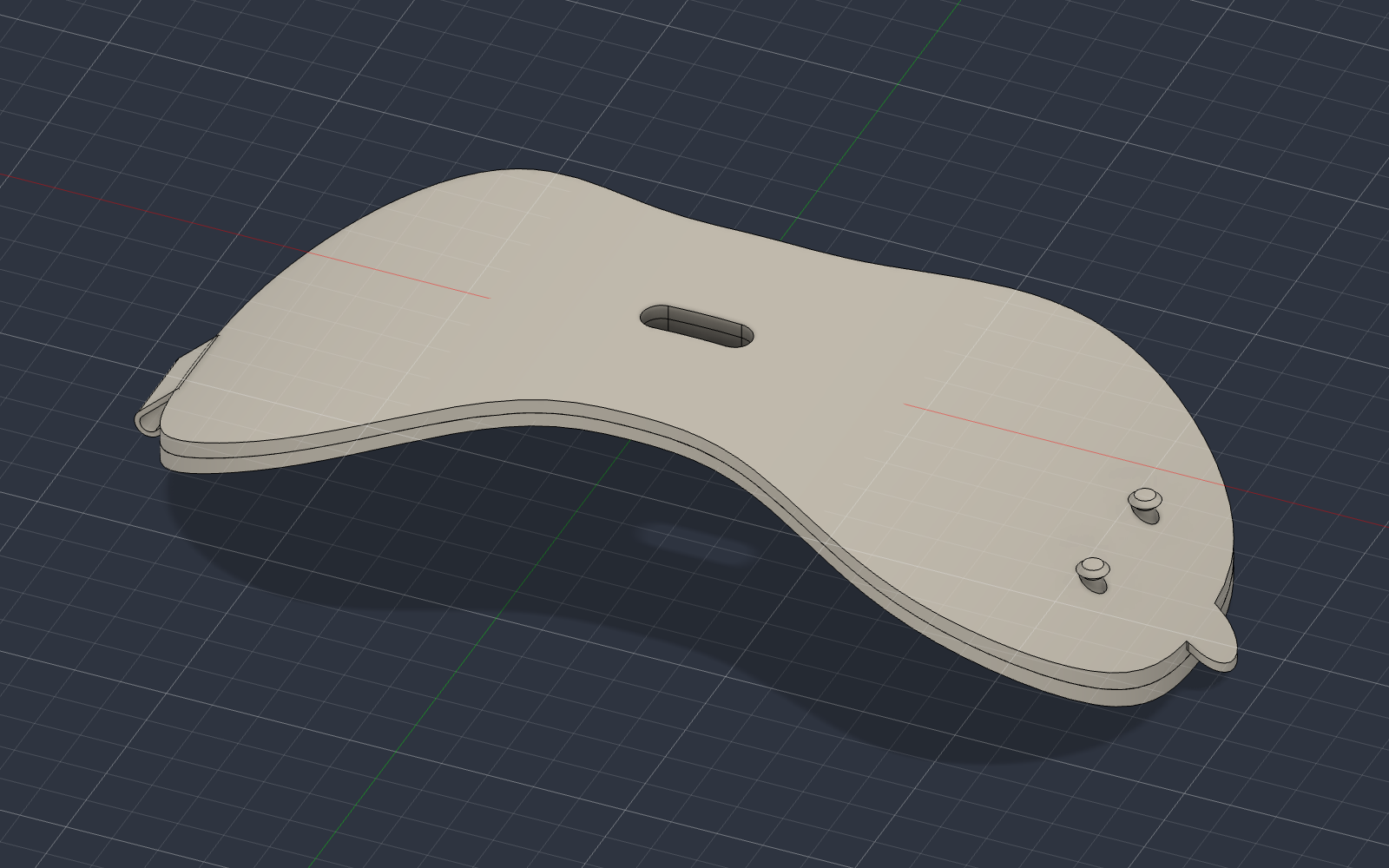
Most people who try mouth taping wake up with the same question: did it actually change anything? Regular tape cannot tell you. That is exactly the gap Zzip is built for.
| Regular mouth tape | Zzip | |
|---|---|---|
| Keeps your mouth closed | ✓ | ✓ |
| Measures your breathing | — | ✓ |
| Detects snoring | — | ✓ |
| Responds to snoring | — | ✓ |
| Smart wake-up window | — | ✓ |
| Shows you the results | — | ✓ |
- Keeps your mouth closed, comfortablyA flexible silicone body with an integrated, skin-friendly adhesive, shaped around the mouth.
- Follows every breathA thermistor near the nose counts each breathing cycle directly from the warm and cool air of your breath.
- Hears snoring and respondsA microphone detects snoring; a gentle vibration is designed to encourage you to change position without waking you.
- Wakes you at a better momentA smart alarm looks for a suitable moment in the window before your alarm time.
- Your whole night on one screenOptical pulse and SpO₂ signals, movement and temperature come together in the Zzip app.
If you are curious about mouth taping, Zzip is worth following: it is the version that shows you whether it actually works for you.
Zzip is a prototype in development. Features and measurement performance are being tested. It is not a medical device and does not diagnose or treat sleep apnea or any other condition.
Frequently asked questions
Is it OK to tape your mouth shut every night?
Some healthy adults who breathe well through the nose use mouth tape regularly without problems, but there is no long-term research proving it is beneficial. Use purpose-made tape, skip nights when your nose is blocked, and talk to a doctor if you have any breathing or sleep concerns.
Can mouth tape help sleep apnea?
Mouth tape is not a treatment for sleep apnea. One small study found improvements in people with mild sleep apnea who breathe through their mouth, but a 2025 systematic review did not find enough evidence to recommend it. Sleep apnea should be diagnosed and treated by a professional.
Does mouth taping help with dry mouth and bad breath?
Mouth breathing reduces saliva, which is linked to dry mouth and bad breath. If mouth taping helps you breathe through your nose, you may wake up with a less dry mouth, but this has not been well studied.
What kind of tape is safe for your mouth?
Only use tape designed for skin and lips, with a gentle, hypoallergenic adhesive. Never use office tape, duct tape or packing tape.
Can children use mouth tape?
Children should not use mouth tape unless a doctor recommends it. Mouth breathing in children can have causes, such as enlarged tonsils or adenoids, that need medical attention.
Sources
- Rhee et al. (2025). Breaking social media fads and uncovering the safety and efficacy of mouth taping in patients with mouth breathing, sleep disordered breathing, or obstructive sleep apnea: A systematic review. PLOS One.
- Lee YC, Lu CT, Cheng WN, Li HY (2022). The Impact of Mouth-Taping in Mouth-Breathers with Mild Obstructive Sleep Apnea: A Preliminary Study. Healthcare (Basel) 10(9):1755.
- American Dental Association. Mouth taping: The latest social media trend. ADA News.
This article is for general information only and is not medical advice. If you have symptoms of a sleep or breathing disorder, talk to a qualified healthcare professional.