Mouth Tape Benefits: Which Claims Hold Up and Which Don’t
Better sleep, no snoring, fresher breath, a sharper jaw, more energy: the list of mouth tape benefits keeps growing. Very few of them have been tested. Here is each claim, sorted by how much evidence actually stands behind it.
How we graded the claims
We sorted every common claim into three groups:
- Some evidence: at least one study measured it and found an effect, even if the studies are small.
- Plausible, not proven: it makes physiological sense, but no one has tested it properly with mouth tape.
- No evidence or tested and failed: either nothing supports it or a study looked and found nothing.
One caveat applies to the whole list. A 2025 systematic review in PLOS One rated all mouth-taping studies as poor quality and concluded the data does not support mouth taping as a clinical treatment. So even the “some evidence” group rests on small, uncontrolled studies. If you want the full story on the research, read does mouth tape work.
Mouth tape benefits at a glance
| Claimed benefit | Grade | What we know |
|---|---|---|
| Less snoring | Some evidence | Snoring fell sharply in two small studies of mouth breathers |
| Fewer breathing pauses (mild sleep apnea) | Some evidence, narrow | AHI dropped in mild cases; not a treatment |
| Less daytime sleepiness | Some evidence, weak | One study saw lower sleepiness scores |
| Better oxygen levels | Mixed | Fewer dips in one study; average levels unchanged |
| Less dry mouth, fresher breath | Plausible, not proven | Mouth breathing reduces saliva; tape not studied for this |
| Fewer cavities, healthier gums | Plausible, not proven | No oral health effects shown in studies |
| Deeper, better quality sleep | Anecdotal | Not measured in a meaningful way |
| Better asthma control | Tested, no effect | Randomised trial found no difference |
| Sharper jawline, face shape | No evidence | No adult studies |
Benefits with some evidence
1. Less snoring, for open-mouth snorers
This is the strongest claim. In a 2015 study, 30 mouth breathers with mild sleep apnea wore a porous patch over the lips. Their median snoring index fell from 146.7 to 40.0 events per hour and snoring got quieter, from about 49 to 41 decibels. A 2022 study of 20 similar patients using silicone tape saw the snoring index drop by about 47%, and 13 of the 20 cut their snoring at least in half. The catch: both studies chose people whose snoring was linked to mouth breathing. If yours starts in the nose or throat, expect much less. See mouth tape for snoring to work out your type.
2. Fewer breathing events in mild sleep apnea
Both studies also saw the apnea-hypopnea index fall: from 12.0 to 7.8 per hour in 2015, and from 8.3 to 4.7 in 2022. That sounds impressive, but these were mild cases, short studies and no control groups. Across the review, only 2 of 6 studies measuring AHI found a significant change. This is a reason for more research, not a reason to self-treat.
3. Less daytime sleepiness
In the 2015 study, scores on the Epworth Sleepiness Scale dropped from 8.1 to 5.2. That is one small study, so treat it as a hint.
4. Oxygen levels: mixed
In 2022, the oxygen desaturation index improved and the lowest oxygen reading rose from 82.5% to 87%, but average oxygen saturation did not change. Other studies in the review found no change.
Plausible benefits that haven’t been proven
Less dry mouth and bad breath. Chronic mouth breathing reduces saliva, which experts quoted by the American Dental Association link to dry mouth, bad breath and other dental problems. If tape keeps your mouth closed, waking up less dry is a reasonable expectation, and it is the benefit many users notice first. But no study has measured it directly.
Healthier teeth and gums. The same logic applies, but the ADA summary notes the existing studies showed no oral health effects. Plausible, unproven.
Retraining nasal breathing. Many users say they breathe through the nose more naturally after weeks of taping. That has not been tested, and it won’t help if your nose is the reason you breathe through your mouth in the first place.
Claims that don’t hold up
Asthma. This one was properly tested. In a 2009 randomised crossover trial, 50 adults with asthma taped their mouths at night for four weeks. Most found it acceptable, but there was no difference in morning lung function or symptoms compared with normal nights.
Jawline and face shape. Videos promising a sharper jaw have no adult research behind them. Mouth breathing in childhood is linked with facial development, but that is a different question, covered in mouth tape and jawline.
Deeper sleep, more energy, better focus. These are the most common claims and the least studied. They may be real for some people, especially if they snored less, but there is no data to separate them from expectation.
Who is most likely to benefit
Put together, the people most likely to notice a real mouth tape benefit are adults who breathe comfortably through the nose while awake, whose mouth falls open during sleep and who snore lightly or wake with a dry mouth. Anyone with loud nightly snoring, gasping or strong daytime sleepiness should be checked for sleep apnea first, since tape can quiet the snoring while the real problem continues. And whatever benefit you are hoping for, the safety basics in is mouth taping safe come first.
Not just tape.
A mouth band that understands your night.
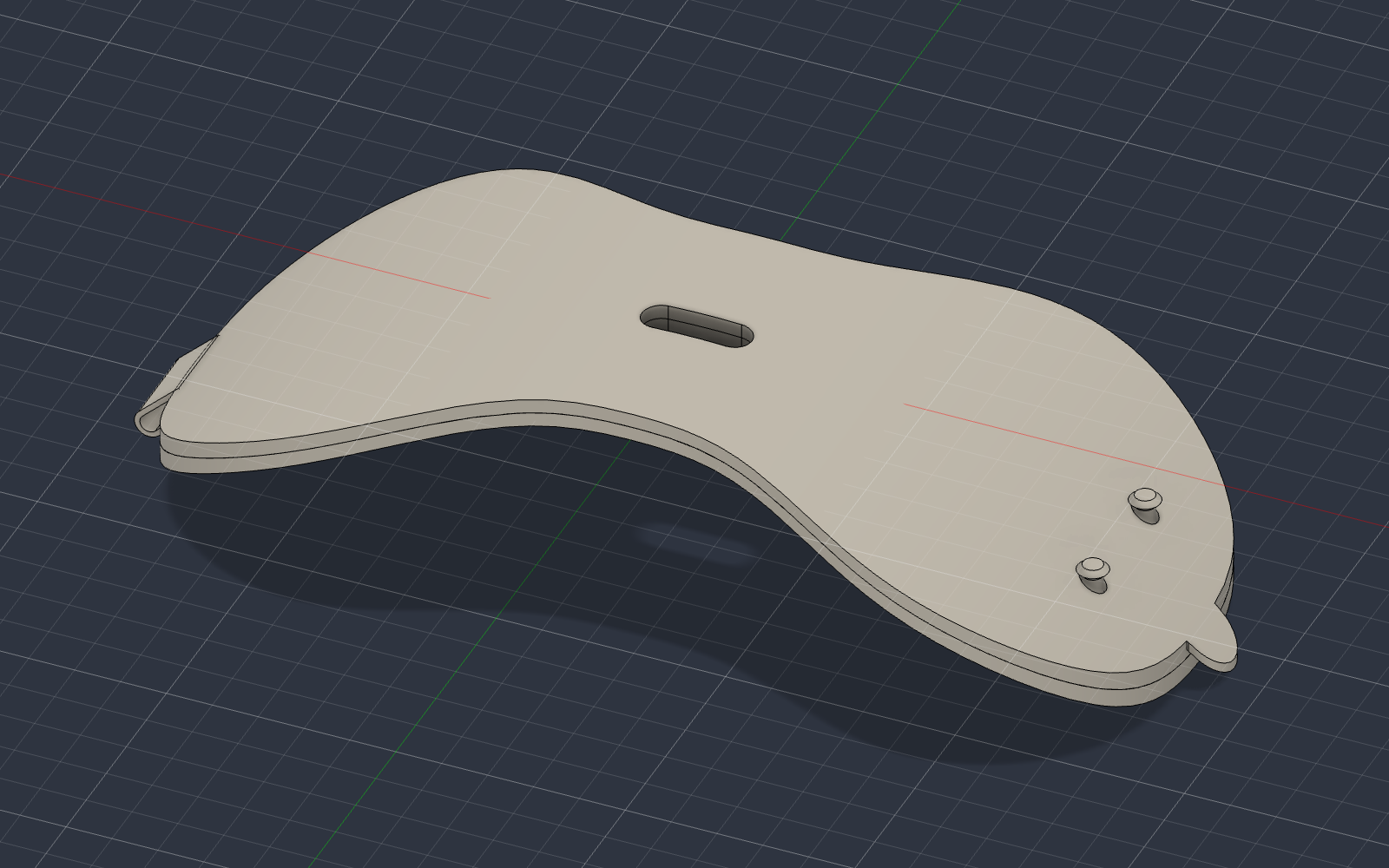
Most claimed benefits of mouth tape are things you can’t feel directly: snoring, breathing, oxygen. Zzip is designed to measure them, so you can see which benefits, if any, show up in your own nights.
| Regular mouth tape | Zzip | |
|---|---|---|
| Keeps your mouth closed | ✓ | ✓ |
| Measures your breathing | — | ✓ |
| Detects snoring | — | ✓ |
| Responds to snoring | — | ✓ |
| Smart wake-up window | — | ✓ |
| Shows you the results | — | ✓ |
- Keeps your mouth closed, comfortablyA flexible silicone body with an integrated, skin-friendly adhesive, shaped around the mouth.
- Follows every breathA thermistor near the nose counts each breathing cycle directly from the warm and cool air of your breath.
- Hears snoring and respondsA microphone detects snoring; a gentle vibration is designed to encourage you to change position without waking you.
- Wakes you at a better momentA smart alarm looks for a suitable moment in the window before your alarm time.
- Your whole night on one screenOptical pulse and SpO₂ signals, movement and temperature come together in the Zzip app.
If you are curious about mouth taping, Zzip is worth following: it is the version that shows you whether it actually works for you.
Zzip is a prototype in development. Features and measurement performance are being tested. It is not a medical device and does not diagnose or treat sleep apnea or any other condition.
Frequently asked questions
What are the benefits of mouth taping for sleep?
The best supported is less snoring in people who snore with their mouth open. Less dry mouth is plausible. Other claims, like deeper sleep or more energy, are anecdotal.
Does mouth taping help with bad breath?
It might, if mouth breathing is the cause, because breathing through the mouth dries out saliva. It hasn’t been studied directly, and bad breath has other causes worth checking with a dentist.
Does mouth taping increase oxygen?
Not clearly. One small study saw fewer oxygen dips but no change in average oxygen saturation. It is not a way to fix low oxygen at night, which needs a medical assessment.
Does mouth tape help a jawline?
There is no evidence that mouth taping changes the jawline or face shape in adults.
How long until you see mouth tape benefits?
Changes in snoring or dry mouth, if they happen, usually show within the first one to two weeks. If nothing changes after that, it probably isn’t the right tool for you.
Sources
- Rhee et al. (2025). Mouth taping in patients with mouth breathing, sleep disordered breathing, or obstructive sleep apnea: A systematic review. PLOS One.
- Lee YC, Lu CT, Cheng WN, Li HY (2022). The Impact of Mouth-Taping in Mouth-Breathers with Mild Obstructive Sleep Apnea: A Preliminary Study. Healthcare (Basel) 10(9):1755.
- Huang TW, Young TH (2015). Novel porous oral patches for patients with mild obstructive sleep apnea and mouth breathing: a pilot study. Otolaryngology–Head and Neck Surgery 152(2):369-73.
- Cooper S, Oborne J, Harrison T, Tattersfield A (2009). Effect of mouth taping at night on asthma control: a randomised single-blind crossover study. Respiratory Medicine 103(6):813-9.
- American Dental Association. Mouth taping: The latest social media trend. ADA News.
This article is for general information only and is not medical advice. If you have symptoms of a sleep or breathing disorder, talk to a qualified healthcare professional.