Mouth Tape and Your Jawline: What Social Media Gets Wrong
Before-and-after videos promise a sharper jawline from taping your mouth at night. The research on face shape and breathing is real, but it is about growing children, not adults with tape. Here is the honest version.
Where the mouth tape jawline claim comes from
The mouth tape jawline idea usually goes like this: breathing through your mouth makes your face long and your chin weak, so forcing nasal breathing with tape will pull your face back into shape. Some videos add before-and-after photos.
There is a grain of science underneath it. Researchers have long studied whether children who breathe through their mouth for years develop differently. But the jump from “mouth breathing in growing children is linked to face shape” to “taping an adult’s mouth will sculpt their jaw” is not supported by any study we could find.
What the research on children actually shows
A 2021 systematic review and meta-analysis in BMC Oral Health pooled 10 studies with 1,358 children aged 2 to 14. Compared with nasal breathers, the mouth-breathing children on average had:
- a jaw that sat further back and rotated downward and backward;
- a steeper bite plane and upper front teeth tilted forward;
- narrower airways behind the nose and throat.
Cleveland Clinic describes similar patterns: children who breathe through their mouth may have a narrow face, a receding chin or jaw, and teeth that do not line up.
Three things are easy to miss in that research:
- It is about children. The review only included people under 18.
- It shows an association. The studies compared groups at one point in time. The certainty of the evidence was mostly rated low, and the authors note possible confounding by age, sex and the cause of mouth breathing.
- It did not test tape. The underlying causes in children are often large adenoids or tonsils, allergies or a blocked nose, and doctors treat those causes. More on this in mouth breathing and face shape.
Does mouth tape help with your jawline as an adult?
There is no evidence that it does. The 2025 systematic review of mouth taping in PLOS One looked at every study it could find on mouth closure during sleep. They measured snoring, sleep apnea and mouth leak, not face shape, and the authors found no robust evidence for the wider benefits promoted on social media.
The research on face shape and mouth breathing comes from children who are still growing. Nothing in it suggests that a few hours of tape at night can move an adult’s jaw bones.
So why do some before-and-after photos look different?
- Lip and jaw posture. A relaxed open mouth makes the lower face look longer. The same face with the lips closed and the jaw resting up looks tighter, without any change in bone.
- Photo conditions. Angle, lighting, head tilt and camera distance can change how a jawline looks from one photo to the next.
- Other changes. Weight change, hydration and time of day all affect how the face looks.
Myth vs evidence
| Claim | What the evidence says |
|---|---|
| Mouth tape gives adults a sharper jawline | No study supports this |
| Mouth breathing changes face shape | Linked in growing children; low-certainty evidence |
| Taping a child’s mouth fixes facial growth | Not studied; children should not use tape without medical advice |
| Closing your mouth changes how your face looks at rest | Yes, through posture, not bone |
| Mouth tape has proven sleep benefits | Limited; small studies on snoring and mild sleep apnea |
What about children?
This is where the stakes are real and where tape is the wrong tool. If your child often sleeps with an open mouth, snores, or breathes noisily, the cause needs to be found. Cleveland Clinic notes that swollen adenoids or tonsils are a common reason children breathe through the mouth, and recommends asking a pediatrician to check the nose and airway. The American Dental Association points to a lack of evidence for mouth taping and suggests an ENT visit or a sleep study for people who breathe through the mouth during sleep. See mouth tape for kids and mouth breathing in children.
If you want to try mouth tape anyway
Try it for the reasons it might actually help, like open-mouth snoring or waking with a dry mouth, and do it safely:
- only when you can breathe easily through your nose;
- not after alcohol or sedatives, and not if you snore loudly, gasp or feel very sleepy in the day;
- with tape made for skin, and a design that is easy to remove.
For the full checklist, read is mouth taping safe. If jaw shape or your bite really bothers you, an orthodontist or a maxillofacial specialist can explain what is realistic for an adult.
Not just tape.
A mouth band that understands your night.
If you tape for better sleep rather than a sharper jaw, the useful question is whether your night actually changed. Zzip is being developed to track nasal versus mouth breathing and snoring through the night, so you can judge it with data instead of photos.
| Regular mouth tape | Zzip | |
|---|---|---|
| Keeps your mouth closed | ✓ | ✓ |
| Measures your breathing | — | ✓ |
| Detects snoring | — | ✓ |
| Responds to snoring | — | ✓ |
| Smart wake-up window | — | ✓ |
| Shows you the results | — | ✓ |
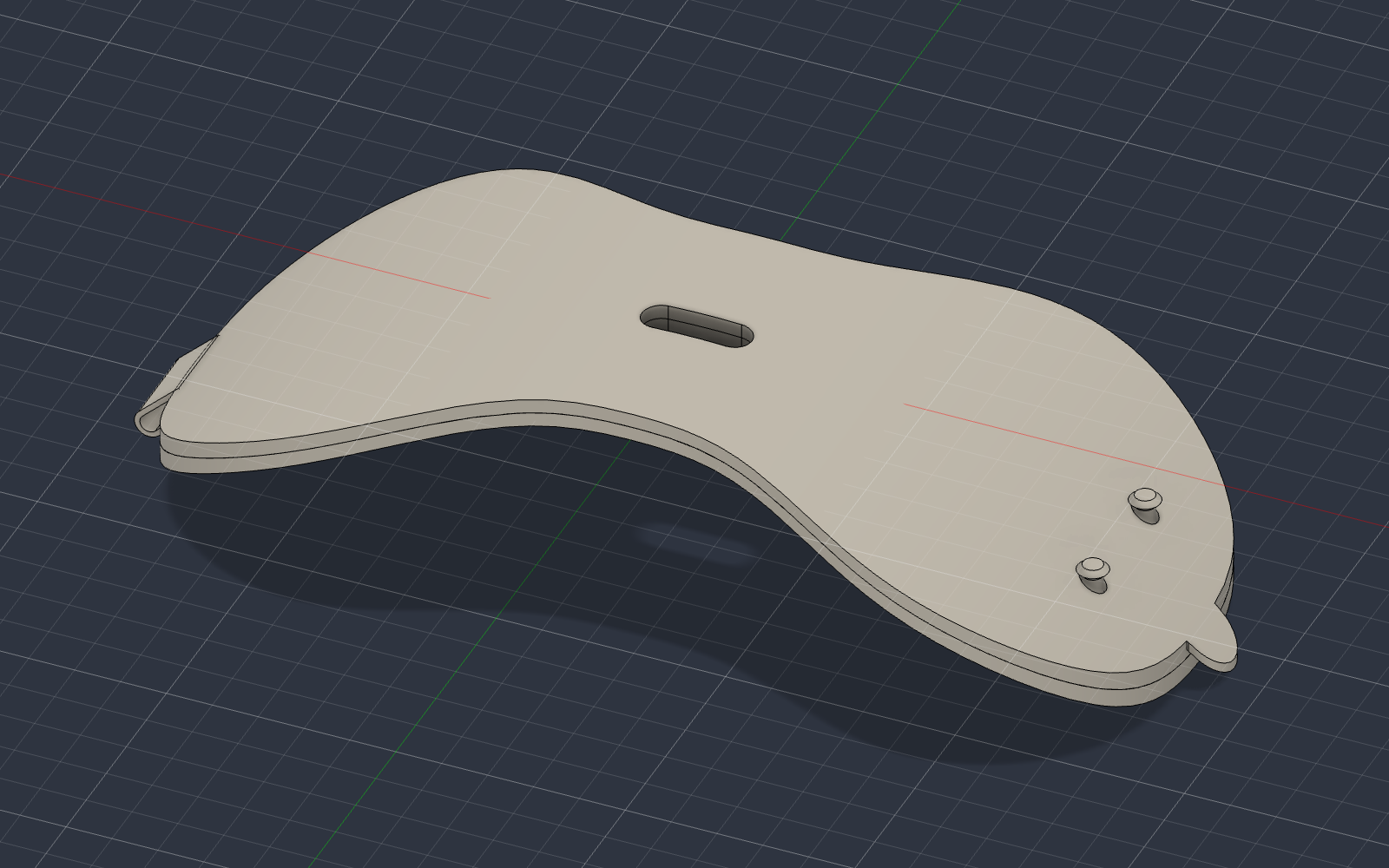
- Keeps your mouth closed, comfortablyA flexible silicone body with an integrated, skin-friendly adhesive, shaped around the mouth.
- Follows every breathA thermistor near the nose counts each breathing cycle directly from the warm and cool air of your breath.
- Hears snoring and respondsA microphone detects snoring; a gentle vibration is designed to encourage you to change position without waking you.
- Wakes you at a better momentA smart alarm looks for a suitable moment in the window before your alarm time.
- Your whole night on one screenOptical pulse and SpO₂ signals, movement and temperature come together in the Zzip app.
If you are curious about mouth taping, Zzip is worth following: it is the version that shows you whether it actually works for you.
Zzip is a prototype in development. Features and measurement performance are being tested. It is not a medical device and does not diagnose or treat sleep apnea or any other condition.
Frequently asked questions
Does mouth taping change your face shape?
There is no evidence that mouth tape changes adult face shape. Links between mouth breathing and face shape come from studies of growing children, and those studies did not test tape.
How long does mouth taping take to change your jawline?
There is no timeline, because there is no evidence it changes the adult jawline at all. Be cautious with before-and-after photos.
Can mouth breathing ruin your jawline?
In children, long-term mouth breathing is associated with a jaw that sits further back and a longer lower face. In adults, there is no good evidence that it changes bone structure.
Is mouth taping good for kids’ facial development?
It has not been studied and is not recommended without medical advice. Children who mouth breathe should be checked for causes such as large adenoids, tonsils or allergies.
Does closing your mouth make your jawline look better?
Resting with your lips closed can change how your lower face looks in the moment. That is posture, not a change in the jaw itself.
Sources
- Zhao Z. et al. (2021). Effects of mouth breathing on facial skeletal development in children: a systematic review and meta-analysis. BMC Oral Health 21:108.
- Rhee et al. (2025). Breaking social media fads and uncovering the safety and efficacy of mouth taping in patients with mouth breathing, sleep disordered breathing, or obstructive sleep apnea: A systematic review. PLOS One.
- Cleveland Clinic. Mouth Breathing: Symptoms, Complications & Treatment.
- American Dental Association. Mouth taping: The latest social media trend. ADA News.
This article is for general information only and is not medical advice. If you have symptoms of a sleep or breathing disorder, talk to a qualified healthcare professional.