Mouth Tape Anxiety: Why It Happens and What to Do About It
For some people, the moment the tape goes on, the chest tightens and the mind says “get it off”. That reaction is not silly and it is not rare. Here is why it happens, how to tell harmless unease from a real warning sign, and how to decide whether mouth tape is for you at all.
Why mouth tape can trigger anxiety
Breathing is one of the few things your brain monitors constantly, and the mouth is its emergency exit. Covering it, even with a soft strip, removes that exit. For many people that is a non-event. For others it feels like being trapped, and the body reacts the way it would to any threat: faster heartbeat, shallow breathing, an urge to rip the tape off.
The Sleep Foundation lists anxiety and panic among the side effects of mouth taping and notes that feeling restricted can cause anxious awakenings, particularly in people prone to claustrophobia. Cleveland Clinic makes a similar point: the feeling of a taped mouth can increase anxiety, and so can any difficulty breathing through the nose.
There is also a loop that can make things worse. Anxiety tends to speed up and deepen breathing, which makes you want more air, which makes the closed mouth feel even more restrictive. Understanding that loop is often the first step to breaking it.
Anxiety or a real breathing problem?
Before treating this as a purely mental hurdle, rule out the physical one. A partly blocked nose and anxiety can feel almost identical with tape on.
| What you notice | More likely anxiety | More likely a breathing problem |
|---|---|---|
| Timing | Starts the moment the tape goes on | Builds after a few minutes or wakes you at night |
| Nasal airflow | Feels clear when you check calmly | One or both sides feel stuffy or noisy |
| When you relax | Breathing settles within a minute or two | Still feel short of air even when calm |
| At night | Hard to fall asleep, but no gasping | Waking up gasping, choking or with a headache |
If anything in the right-hand column sounds familiar, stop using tape. A blocked nose makes mouth taping unsafe, and our guide to mouth tape with a stuffy nose explains why. Waking up gasping or choking is a reason to see a doctor, because it can be a sign of sleep apnea.
Who should not push through mouth tape anxiety
Some people should treat the anxiety as an answer rather than an obstacle. The Sleep Foundation advises people with anxiety or panic disorders to avoid mouth taping, along with anyone with nasal blockage, untreated sleep apnea, or a risk of vomiting during sleep. Skip it if you:
- have a diagnosed panic disorder or a history of panic attacks around breathing;
- have trauma linked to having your mouth or face covered;
- wake up gasping, choking or with your heart racing after taping;
- have a stuffy nose, a cold, asthma or COPD without medical advice;
- have been drinking or have taken sedatives, which make it harder to wake and react;
- feel nauseous or tend to have reflux at night.
Mouth tape is optional. The evidence behind it is limited: a 2025 systematic review of 10 studies concluded the data does not support it as a clinical treatment for sleep-disordered breathing. Nobody needs to fight their own alarm system for a habit with that level of evidence.
How to ease into mouth tape if your nose is clear
If your nose works well and the unease feels more like unfamiliarity than danger, a gradual approach is gentler than taping up and turning off the light. Sleep clinics use a similar idea for people who feel claustrophobic in CPAP masks: a 2007 case series found that patients who did graded exposure sessions with a behavioural sleep psychologist used their CPAP significantly longer afterwards. Mouth tape is a different situation, but the principle of small, controlled steps carries over.
- Start with your nose, not the tape. Sit somewhere calm and breathe only through your nose with your lips closed for five minutes. If that alone feels hard, stop here.
- Tape on, while awake and busy. Wear the tape for 10 to 15 minutes while reading or watching something. Distraction helps your brain learn the feeling is harmless.
- Keep removal in your hands. Fold one corner into a pull tab, or choose a design that peels off in one movement. Knowing you can open your mouth in a second lowers the sense of being trapped.
- Use less coverage. A small vertical strip or a design with a central opening covers less of the mouth than a full strip. Our guide to types of mouth tape compares the shapes.
- Slow your breathing. Breathe out a little longer than you breathe in. A slower rhythm is the opposite of the anxiety loop.
- Then a short nap or the first part of the night. Only move to a full night once wearing it while awake feels boring.
The basics of application, removal and choosing tape are in how to mouth tape.
What to do if you panic at night with tape on
- Take the tape off. That is always the right move, and it is not a failure.
- Sit up, breathe slowly through your nose if you can, and let your heart rate settle.
- Check your nose. If it feels blocked, do not re-apply the tape that night.
- Write down what happened: time, how your nose felt, whether you had alcohol. Patterns are more useful than one bad night.
If it happens more than once, take a break of a few weeks or stop altogether. Repeated night-time panic is exhausting and undoes the very thing you were trying to improve: your sleep.
Gentler alternatives if tape is not for you
Mouth tape is one tool for one problem: a mouth that falls open while the nose works fine. If tape makes you anxious, other approaches target the same goal without covering your mouth:
- treating congestion and allergies so nasal breathing feels easy;
- sleeping on your side, which makes it easier for the mouth to stay closed;
- nasal strips, which open the nose rather than closing the mouth;
- a chin strap or oral appliance, discussed with a doctor or dentist;
- talking to a therapist who uses CBT if breathing-related anxiety affects you beyond bedtime.
Not just tape.
A mouth band that understands your night.
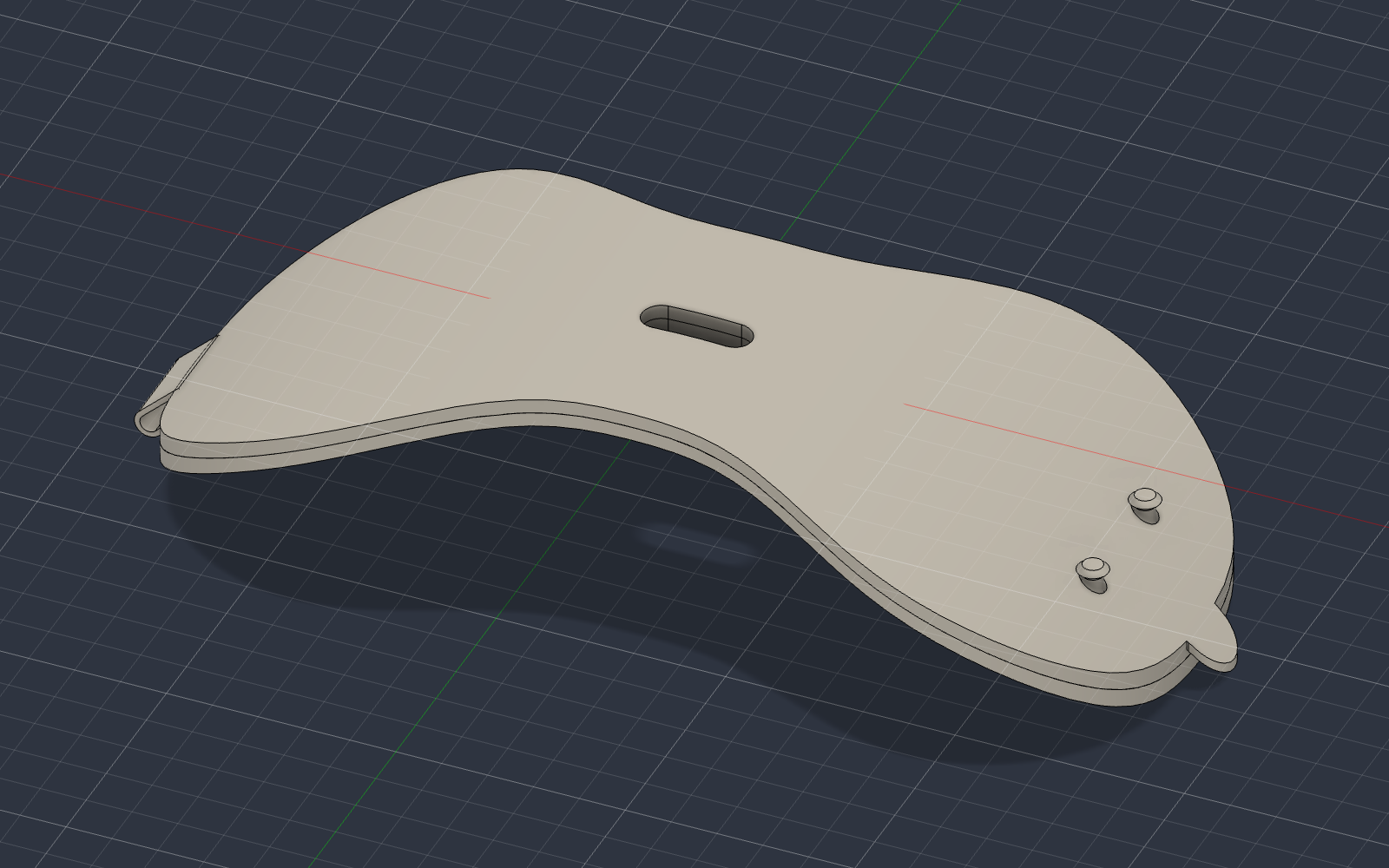
Much of mouth tape anxiety is uncertainty: you cannot see what your breathing is doing once you are asleep. Zzip is being developed to measure your nasal and mouth airflow through the night, so you can see how you actually breathed instead of guessing.
| Regular mouth tape | Zzip | |
|---|---|---|
| Keeps your mouth closed | ✓ | ✓ |
| Measures your breathing | — | ✓ |
| Detects snoring | — | ✓ |
| Responds to snoring | — | ✓ |
| Smart wake-up window | — | ✓ |
| Shows you the results | — | ✓ |
- Keeps your mouth closed, comfortablyA flexible silicone body with an integrated, skin-friendly adhesive, shaped around the mouth.
- Follows every breathA thermistor near the nose counts each breathing cycle directly from the warm and cool air of your breath.
- Hears snoring and respondsA microphone detects snoring; a gentle vibration is designed to encourage you to change position without waking you.
- Wakes you at a better momentA smart alarm looks for a suitable moment in the window before your alarm time.
- Your whole night on one screenOptical pulse and SpO₂ signals, movement and temperature come together in the Zzip app.
If you are curious about mouth taping, Zzip is worth following: it is the version that shows you whether it actually works for you.
Zzip is a prototype in development. Features and measurement performance are being tested. It is not a medical device and does not diagnose or treat sleep apnea or any other condition.
Frequently asked questions
Is it normal to feel anxious with mouth tape?
Yes. Health sources list anxiety and panic among the side effects of mouth taping, especially for people who are prone to claustrophobia. It is common enough that it should be taken seriously rather than pushed through.
Can mouth tape cause panic attacks?
Feeling unable to open your mouth can trigger a panic response in some people. If you have a panic disorder or have had panic attacks related to breathing, it is better not to use mouth tape.
How do I stop feeling claustrophobic with mouth tape?
Make sure your nose is completely clear, start by wearing the tape for short periods while awake, use a smaller or vented design with an easy pull tab, and slow your exhale. If the feeling does not fade after a few gradual sessions, stop.
Why do I wake up panicking with mouth tape?
The most common reason is that your nose became partly blocked during the night, or your body reacted to the restriction while you were half awake. Both are reasons to stop taping and, if you wake up gasping or choking, to talk to a doctor.
Is there mouth tape that does not cover the whole mouth?
Yes. Vertical strips and designs with a central opening cover less of the lips and still allow a little airflow, which many people find less confining than a full strip.
Sources
- Sleep Foundation (2026). Mouth Taping for Sleep: Does It Work?
- Cleveland Clinic Health Essentials (2025). Is Mouth Tape Safe To Use While Sleeping?
- Means MK, Edinger JD (2007). Graded exposure therapy for addressing claustrophobic reactions to continuous positive airway pressure: a case series report. Behavioral Sleep Medicine 5(2):105-16.
- Rhee et al. (2025). Mouth taping in patients with mouth breathing, sleep disordered breathing, or obstructive sleep apnea: A systematic review. PLOS One.
This article is for general information only and is not medical advice. If you have symptoms of a sleep or breathing disorder, talk to a qualified healthcare professional.