How to Mouth Tape: A Step-by-Step Guide to Applying and Removing It
Mouth taping is simple, but small details decide whether it feels fine or miserable: where the strip sits, how your skin is prepared, how you take it off. Here is the full routine, from the checks you do before the first night to the way you peel it off in the morning.
Before you start: three checks
Knowing how to mouth tape starts with knowing whether you should. Run these checks before the first night, and the first one every night after that.
- The nose check. Sit quietly, close your mouth and breathe only through your nose for a few minutes. If it feels hard, or one side is blocked, don’t tape tonight. Houston Methodist and the Sleep Foundation both recommend this kind of daytime test.
- The red-flag check. Loud snoring most nights with gasping or choking, breathing pauses someone has noticed, or strong daytime sleepiness are reasons to see a doctor first.
- The tonight check. No cold, no alcohol, no sleeping pills or sedatives, no nausea or reflux.
The full list of who shouldn’t tape is in is mouth taping safe.
What you need
- Tape made for skin. A purpose-made mouth strip, or a porous, hypoallergenic tape such as surgical or micropore tape. The Sleep Foundation advises against masking tape and other tapes not meant for the body. The 2022 mouth-taping study used a silicone hypoallergenic tape; a 2009 trial used microporous tape.
- Scissors, if you are cutting your own strips. Round the corners so they don’t lift.
- Lip balm for the morning, not the evening.
If you are still choosing, our guide to types of mouth tape compares full-cover, vertical, vented and frame designs.
How to mouth tape, step by step
- Clean and dry the skin. Wash off food, oil and moisturiser around your mouth and pat it fully dry. Skip lip balm and heavy creams for now, since they stop the tape sticking and trap moisture.
- Prepare a pull tab. Fold over one end or corner of the strip by a few millimetres. The Sleep Foundation suggests this so removal is easy, including in a hurry.
- Relax your jaw. Close your lips gently, teeth slightly apart, tongue resting on the roof of your mouth. Don’t press your lips together hard.
- Place the strip. For a first try, put it vertically over the centre of your lips, from just under the nose to the chin. Houston Methodist recommends a small strip across the middle of closed lips, which still lets some air pass at the corners.
- Smooth it on. Press from the centre outward for a few seconds so the adhesive warms and settles. Avoid stretching the tape as you apply it, which pulls on the skin overnight.
- Test it. Breathe through your nose for a minute. Then practise opening your mouth against the tape and pulling the tab. You should be able to get it off in a second.
Placement options
| Placement | How it sits | Good for |
|---|---|---|
| Vertical strip | One narrow strip over the middle of the lips | Beginners, anxiety, keeping the corners free |
| Horizontal strip | Across the closed lips from side to side | People whose mouth still opens with a vertical strip |
| Around-the-lips shape | Sticks to skin around the mouth, opening or soft centre over the lips | Sore lips, a gentler feel |
Start with the least restrictive option that keeps your lips together. More coverage isn’t better if it makes you anxious or irritates more skin.
Getting used to it
Most people need a short adjustment period. A gentle plan:
- Days 1–2: wear the tape for 15 to 20 minutes while reading or watching something, sitting up.
- Days 3–4: wear it for the last half hour before bed, then remove it to sleep.
- From day 5: wear it to sleep. If you wake and want it off, take it off. That is not a failure.
In a 2009 trial, adults taped at night for four weeks and the median participant managed 26 of 28 nights, so regular use is realistic for many people. What to expect night by night is covered in your first week of mouth taping.
How to remove mouth tape
- Grab the folded tab.
- Hold the skin next to the tape with your other hand.
- Peel slowly, keeping the tape low and close to the skin rather than pulling it straight out.
- If it sticks or pulls hairs, wet it with warm water for a few seconds and try again.
- Rinse your skin and put on lip balm or a light moisturiser.
Troubleshooting
- Tape falls off in the night: skin wasn’t fully dry, or there was balm or cream underneath. Facial hair is another common cause.
- Cheeks puff against the tape: you are still trying to breathe through your mouth. Check your nose; if it keeps happening, tape may not suit you.
- Red or itchy skin: take a few nights off, switch to a gentler adhesive or a smaller strip. See mouth tape side effects.
- Anxiety: go back to awake practice and use a vertical strip.
- Waking up gasping or short of breath: stop and talk to a doctor.
Not just tape.
A mouth band that understands your night.
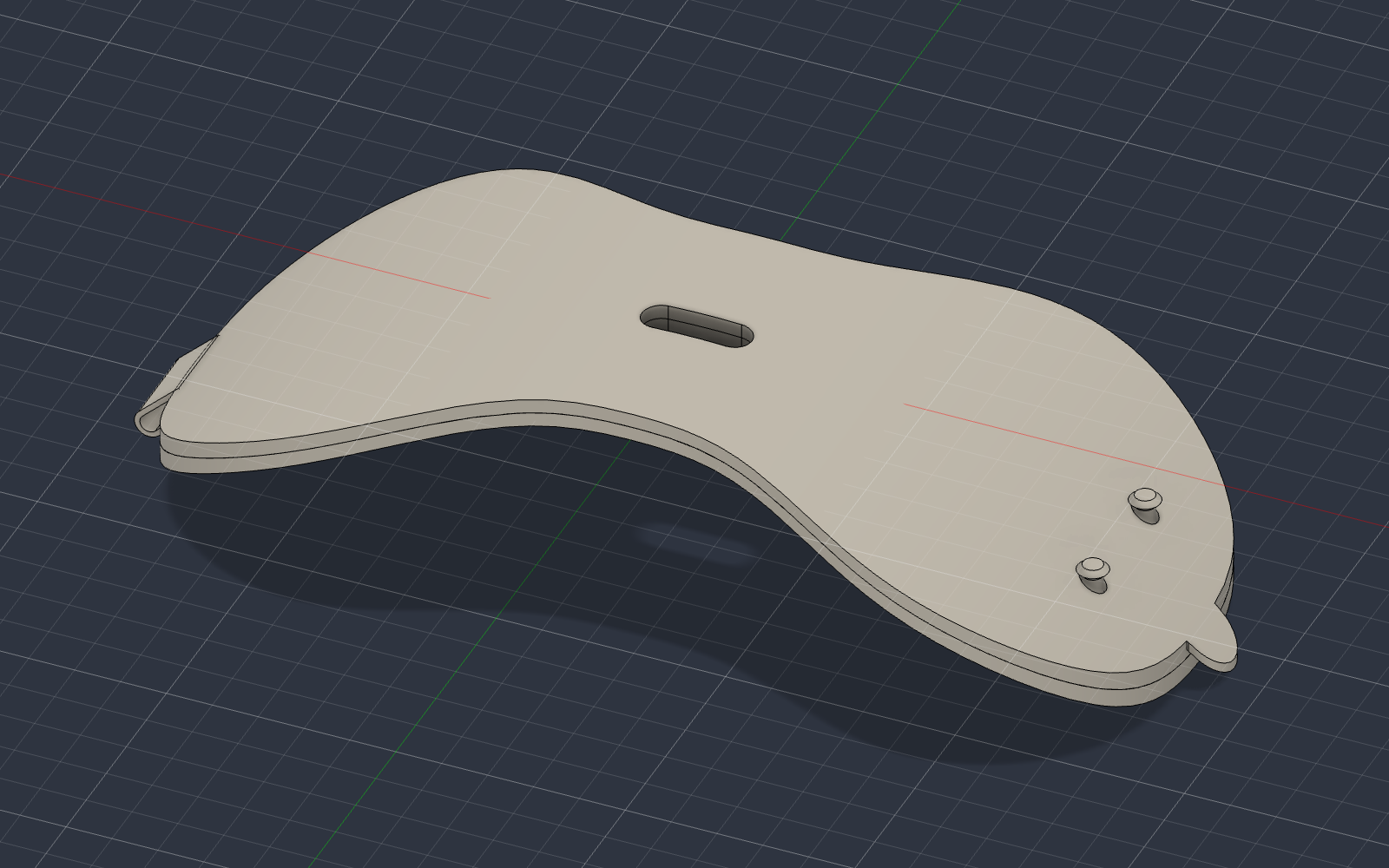
Applying tape is the easy part; knowing whether it stayed on and changed your breathing is the hard part. Zzip is designed as a mouth band that sits comfortably around the mouth and measures what happens after you fall asleep.
| Regular mouth tape | Zzip | |
|---|---|---|
| Keeps your mouth closed | ✓ | ✓ |
| Measures your breathing | — | ✓ |
| Detects snoring | — | ✓ |
| Responds to snoring | — | ✓ |
| Smart wake-up window | — | ✓ |
| Shows you the results | — | ✓ |
- Keeps your mouth closed, comfortablyA flexible silicone body with an integrated, skin-friendly adhesive, shaped around the mouth.
- Follows every breathA thermistor near the nose counts each breathing cycle directly from the warm and cool air of your breath.
- Hears snoring and respondsA microphone detects snoring; a gentle vibration is designed to encourage you to change position without waking you.
- Wakes you at a better momentA smart alarm looks for a suitable moment in the window before your alarm time.
- Your whole night on one screenOptical pulse and SpO₂ signals, movement and temperature come together in the Zzip app.
If you are curious about mouth taping, Zzip is worth following: it is the version that shows you whether it actually works for you.
Zzip is a prototype in development. Features and measurement performance are being tested. It is not a medical device and does not diagnose or treat sleep apnea or any other condition.
Frequently asked questions
Which way should mouth tape go, vertical or horizontal?
Vertical over the middle of the lips is the gentlest start and leaves the corners open. Horizontal covers more and suits people whose mouth still opens. Use the least coverage that keeps your lips closed.
How long should I mouth tape for?
Overnight once you are used to it. Start with 15 to 20 minutes while awake, then build up over a few days.
Should my lips be fully sealed?
No. The goal is to keep the lips gently together, not to make an airtight seal. A little air at the corners is fine and can feel less claustrophobic.
Can I put lip balm on before mouth taping?
Better not. Balm stops the tape sticking. Apply it in the morning after removing the tape, or on the lips only if your strip doesn’t touch them.
How do I get mouth tape off without it hurting?
Use a folded tab, peel slowly and low while supporting the skin, and wet the tape with warm water if it clings.
Sources
- Sleep Foundation (2026). Mouth Taping for Sleep: Does It Work?
- Houston Methodist (2025). Can Mouth Tape During Sleep Be Dangerous? On Health.
- Cleveland Clinic (2025). Is Mouth Tape Safe To Use While Sleeping? Health Essentials.
- Lee YC, Lu CT, Cheng WN, Li HY (2022). The Impact of Mouth-Taping in Mouth-Breathers with Mild Obstructive Sleep Apnea: A Preliminary Study. Healthcare (Basel) 10(9):1755.
- Cooper S, Oborne J, Harrison T, Tattersfield A (2009). Effect of mouth taping at night on asthma control: a randomised single-blind crossover study. Respiratory Medicine 103(6):813-9.
This article is for general information only and is not medical advice. If you have symptoms of a sleep or breathing disorder, talk to a qualified healthcare professional.