Mouth Taping Before and After: What to Expect in Your First Week
Before-and-after videos make mouth taping look like an overnight transformation. Real first weeks are quieter: a strange first night, a few adjustments, and maybe a less dry mouth by the weekend. Here is what to expect night by night, and how to record a before and after that actually means something.
Before you start: record your “before”
Most mouth taping before and after stories have no real “before”. People start taping, feel good on a Tuesday, and credit the tape. Snoring, dryness and sleep quality vary a lot night to night with alcohol, stress, colds and sleep position, so one good night proves little.
Spend three to seven nights recording your normal sleep first. Each morning, note the same things you will track later. If you haven’t applied tape before, read how to mouth tape and practise wearing it while awake during these days.
A simple diary for your first week
| Each morning, record | How |
|---|---|
| Dry mouth on waking | 0 none, 1 slight, 2 clear, 3 very dry |
| Snoring | Recording app or partner: none, light, loud |
| Times you woke up | Number you remember |
| Tape still on in the morning? | Yes, partly, no |
| How rested you feel | 0 to 10 |
| Skin around the mouth | Fine, pink, itchy or sore |
| Anything unusual | Alcohol, cold, late night, stress |
Keep the rest of your routine as steady as you can. If a night includes alcohol or a blocked nose, skip the tape and mark it, so you don’t compare unlike nights.
What to expect, night by night
Nights 1–2: the strange part
The tape feels noticeable. You may take longer to fall asleep, wake more often, or wake to find the strip on the pillow. Cleveland Clinic lists difficulty falling and staying asleep among the possible effects, and for many people that is simply the novelty. If you feel a wave of anxiety, take the tape off and go back to awake practice; that is not failure.
Nights 3–4: adjusting
The sensation fades into the background for most people. This is also when the skin tells you how it feels about nightly adhesive. A little pinkness that fades within an hour is common; itching, a rash or soreness are signals to take a night off or change tape. See mouth tape side effects for fixes.
Nights 5–7: the first real comparison
By now the tape usually stays on and sleep is close to normal. This is when patterns, if any, start to show: drier or less dry mornings, more or less snoring on the recording. In a 2022 study of mouth breathers with mild sleep apnea, snoring was remeasured one week after the baseline night, and 13 of the 20 participants had at least halved their snoring index. That is the kind of change a week can show, in the right person.
What may change after a week, and what probably won’t
| Change | Realistic in week one? |
|---|---|
| Less dry mouth in the morning | Often, if you were breathing through your mouth |
| Quieter snoring | Possibly, if your snoring is the open-mouth kind |
| Fewer night-time sips of water | Possibly |
| Feeling more rested | Maybe; hard to separate from expectation |
| Jawline or face shape | No evidence it changes in adults |
| Fixing sleep apnea or asthma | No; tape is not a treatment |
The Sleep Foundation describes most benefits beyond snoring as anecdotal. A 2009 trial in asthma, where adults taped nightly for four weeks, found no change in lung function or symptoms. Expect small, specific changes, not a new you. For the full evidence picture, read does mouth tape work.
Is it normal to struggle in the first week?
Some struggle is normal. In that 2009 trial, the median participant taped 26 of 28 nights and 36 of 50 found it very or fairly acceptable, which also means about a quarter did not. A few signs suggest tape may not be for you:
- Mouth puffing: your cheeks fill with air or you find the tape pushed loose. Cleveland Clinic notes this was a problem for some participants in a 2022 study. It often means your nose isn’t giving you enough air.
- Persistent anxiety: if the closed-mouth feeling still bothers you after several tries, read mouth tape anxiety or stop.
- Worse sleep by day seven: if your rested score is lower than your “before” week, the trade isn’t worth it.
Red flags: stop and get checked
- Waking up gasping, choking or short of breath;
- A partner noticing breathing pauses;
- Morning headaches or heavy daytime sleepiness;
- A rash that blisters or spreads.
After week one: reading your results
Compare the averages of your “before” nights with your taped nights from day four onward, leaving out the adjustment nights. If dryness and snoring improved and sleep is no worse, it may be worth continuing. If nothing changed, two more weeks rarely flip the result; your snoring or dryness probably has another cause worth exploring.
Not just tape.
A mouth band that understands your night.
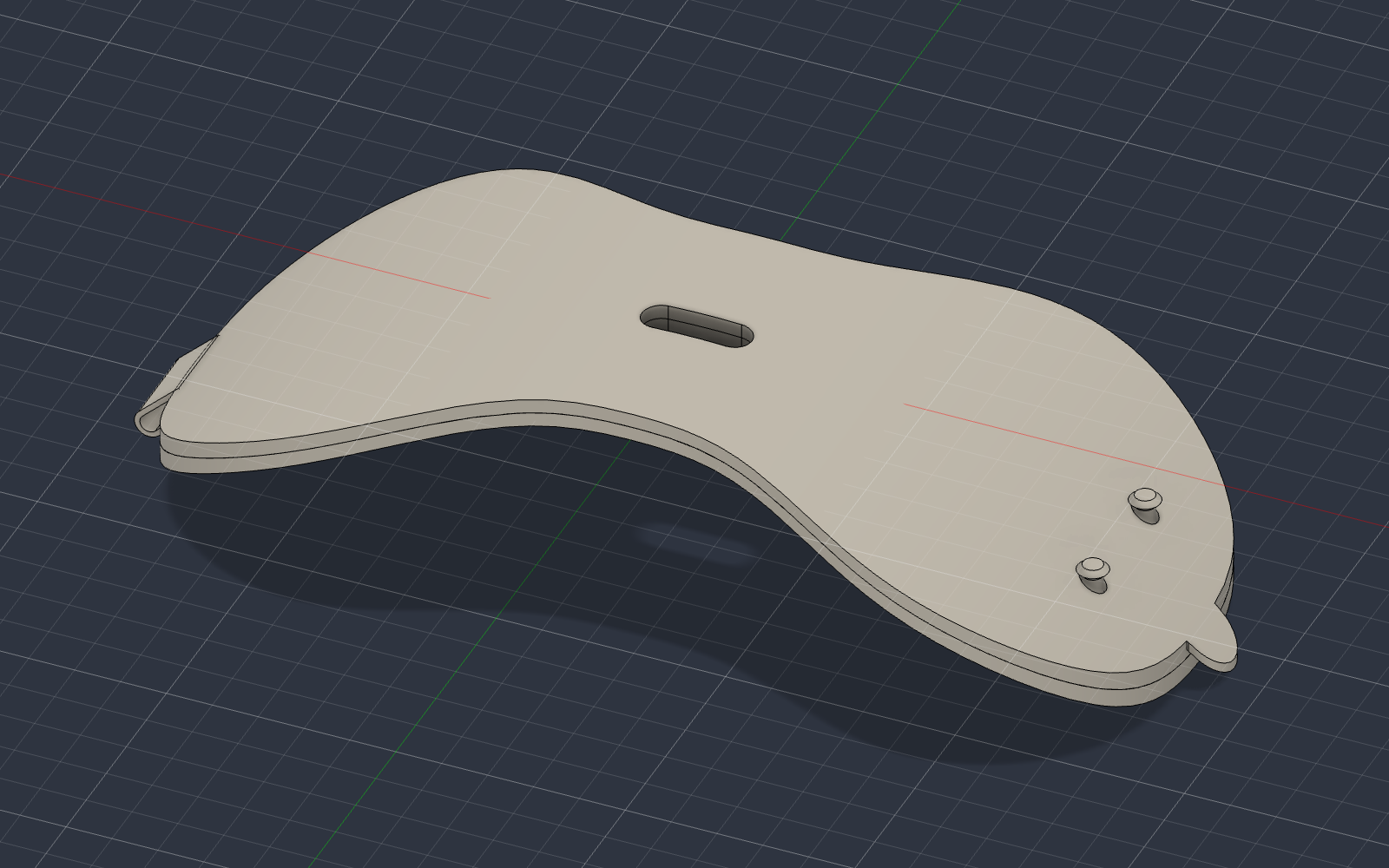
A paper diary can tell you how dry your mouth felt, but not what happened at 3 a.m. Zzip is being designed to fill in that gap automatically, tracking breathing, snoring, SpO₂ and movement so your before and after comes from the night itself.
| Regular mouth tape | Zzip | |
|---|---|---|
| Keeps your mouth closed | ✓ | ✓ |
| Measures your breathing | — | ✓ |
| Detects snoring | — | ✓ |
| Responds to snoring | — | ✓ |
| Smart wake-up window | — | ✓ |
| Shows you the results | — | ✓ |
- Keeps your mouth closed, comfortablyA flexible silicone body with an integrated, skin-friendly adhesive, shaped around the mouth.
- Follows every breathA thermistor near the nose counts each breathing cycle directly from the warm and cool air of your breath.
- Hears snoring and respondsA microphone detects snoring; a gentle vibration is designed to encourage you to change position without waking you.
- Wakes you at a better momentA smart alarm looks for a suitable moment in the window before your alarm time.
- Your whole night on one screenOptical pulse and SpO₂ signals, movement and temperature come together in the Zzip app.
If you are curious about mouth taping, Zzip is worth following: it is the version that shows you whether it actually works for you.
Zzip is a prototype in development. Features and measurement performance are being tested. It is not a medical device and does not diagnose or treat sleep apnea or any other condition.
Frequently asked questions
What happens when you start mouth taping?
Most people notice the tape for the first night or two and may sleep a bit lighter. Over the week it usually fades into the background, and if mouth breathing was the issue, mornings tend to feel less dry.
How long does it take to get used to mouth tape?
For many people, three to five nights. Practising while awake first makes it easier. If you still can’t settle after a week or two, it may not suit you.
How soon will I see results from mouth taping?
Changes in dry mouth or open-mouth snoring, if they come, usually show within the first week or two.
Are mouth taping before and after photos real?
Photos of faces and jawlines are not reliable evidence: lighting, angle and posture change everything, and there are no adult studies showing face changes from mouth taping.
Why do I wake up with the tape off?
In the first nights it is often the novelty or skin that wasn’t fully dry. If it keeps happening, you may be trying to breathe through your mouth, so check your nose.
Sources
- Lee YC, Lu CT, Cheng WN, Li HY (2022). The Impact of Mouth-Taping in Mouth-Breathers with Mild Obstructive Sleep Apnea: A Preliminary Study. Healthcare (Basel) 10(9):1755.
- Cooper S, Oborne J, Harrison T, Tattersfield A (2009). Effect of mouth taping at night on asthma control: a randomised single-blind crossover study. Respiratory Medicine 103(6):813-9.
- Cleveland Clinic (2025). Is Mouth Tape Safe To Use While Sleeping? Health Essentials.
- Sleep Foundation (2026). Mouth Taping for Sleep: Does It Work?
This article is for general information only and is not medical advice. If you have symptoms of a sleep or breathing disorder, talk to a qualified healthcare professional.