Mouth Tape for Sleep Apnea: Is It Safe, and Does It Help?
Some social media posts present mouth tape as a cheap fix for sleep apnea. The research tells a much narrower story. Here is what the studies found, why tape cannot replace treatment, and what to do if you think you might have sleep apnea.
What sleep apnea is, and why it is not the same as snoring
Obstructive sleep apnea (OSA) means your airway repeatedly narrows or closes while you sleep, so breathing stops and restarts many times a night. The blockage usually happens in the throat, behind the tongue and soft palate, not at the lips. That detail matters: mouth tape works at the front of the mouth, while the problem in OSA sits further back.
The NHLBI notes that untreated sleep apnea raises the risk of stroke, heart attack and other serious problems. That is why it deserves a proper diagnosis rather than a home experiment. Snoring alone can be harmless, but snoring with gasping, pauses or daytime exhaustion is a different picture. Our guide on snoring vs sleep apnea explains how to tell them apart.
Does mouth tape help sleep apnea? What the research found
The 2022 study: mild cases only
A preliminary study followed 20 adults who breathed through their mouth and had mild OSA. They did a home sleep test, then a second one a week later with their mouth sealed by hypoallergenic silicone tape. The median apnea-hypopnea index (AHI) fell from 8.3 to 4.7 events per hour and the snoring index dropped by about 47%. Thirteen of the 20 were classed as responders. People with the worst baseline numbers tended to improve the most.
It is an encouraging signal, but a small one: 20 people, one night each way, no control group, and only people who already tolerated having their mouth sealed.
The 2025 systematic review: not enough to recommend it
A 2025 review in PLOS One pooled 10 studies of mouth taping or other mouth closure in adults with mouth breathing, snoring or OSA. All 10 were rated as poor quality. Only two of the six studies that measured AHI reported a significant drop, and the benefit was mostly limited to mild OSA. Four studies flagged the risk of suffocation if the nose is blocked or if someone vomits. The authors concluded the evidence does not support mouth taping as a sound clinical intervention for sleep-disordered breathing.
| 2022 study (Lee et al.) | 2025 review (Rhee et al.) | |
|---|---|---|
| Who was studied | 20 mouth breathers with mild OSA | 10 small studies in adults |
| Main finding | AHI and snoring roughly halved | Benefit mostly limited to mild OSA |
| Study quality | Preliminary, no control group | All included studies rated poor quality |
| Safety note | Only people who tolerated tape | Risk if the nose is blocked |
| Verdict | Worth more research | Not a sound clinical treatment |
Why mouth tape is not a sleep apnea treatment
- It does not open the airway. Proven treatments keep the throat open: positive airway pressure (CPAP and similar machines), oral appliances that hold the lower jaw forward, weight loss when relevant, and in some cases surgery. Tape only keeps the lips closed.
- It can hide the warning sign. If tape makes you snore a little less, you or your partner may stop noticing the problem while the breathing pauses continue.
- It adds a risk. With your mouth sealed, your nose becomes the only way in. A cold, allergy or swelling overnight can turn that into a real problem.
- Severity matters. The only positive data comes from mild OSA. The authors of the 2022 study did not recommend tape for moderate or severe cases.
The Sleep Foundation puts it plainly: people with OSA who are not using CPAP should avoid mouth taping, and anyone with symptoms like loud snoring or gasping should talk to a healthcare provider first. For the wider safety picture, read is mouth taping safe.
Is mouth taping safe if you have sleep apnea?
If your sleep apnea is untreated or not yet diagnosed, the short answer is no, not on your own. Get a diagnosis first.
If you are already treated, the conversation is different. Some people on CPAP with a nasal mask lose air through an open mouth, and small studies have looked at mouth closure to reduce that leak. That is a question for your sleep doctor or CPAP provider, not a DIY fix, and we cover it in mouth tape with CPAP.
Signs you should see a doctor before trying any tape
- Someone has seen you stop breathing, choke or gasp in your sleep;
- You snore loudly on most nights;
- You feel very sleepy during the day, or nod off while reading or driving;
- You wake up with headaches, a dry mouth or a sore throat most mornings;
- You have high blood pressure that is hard to control.
A doctor may ask you to do a sleep study, at home or in a sleep lab. It is the only way to know whether you have OSA and how severe it is. The full list of warning signs is in our guide to sleep apnea symptoms.
If you have mild OSA and want to discuss mouth tape
Some people with diagnosed mild OSA ask their doctor about mouth taping, for example while they wait for an oral appliance. If your doctor agrees that it is reasonable for you, ask how you will check whether it helps: a follow-up home sleep test is far more reliable than how you feel in the morning. Never use tape after alcohol or sedatives, on nights when your nose is blocked, or as a reason to skip a treatment you have been prescribed.
Not just tape.
A mouth band that understands your night.
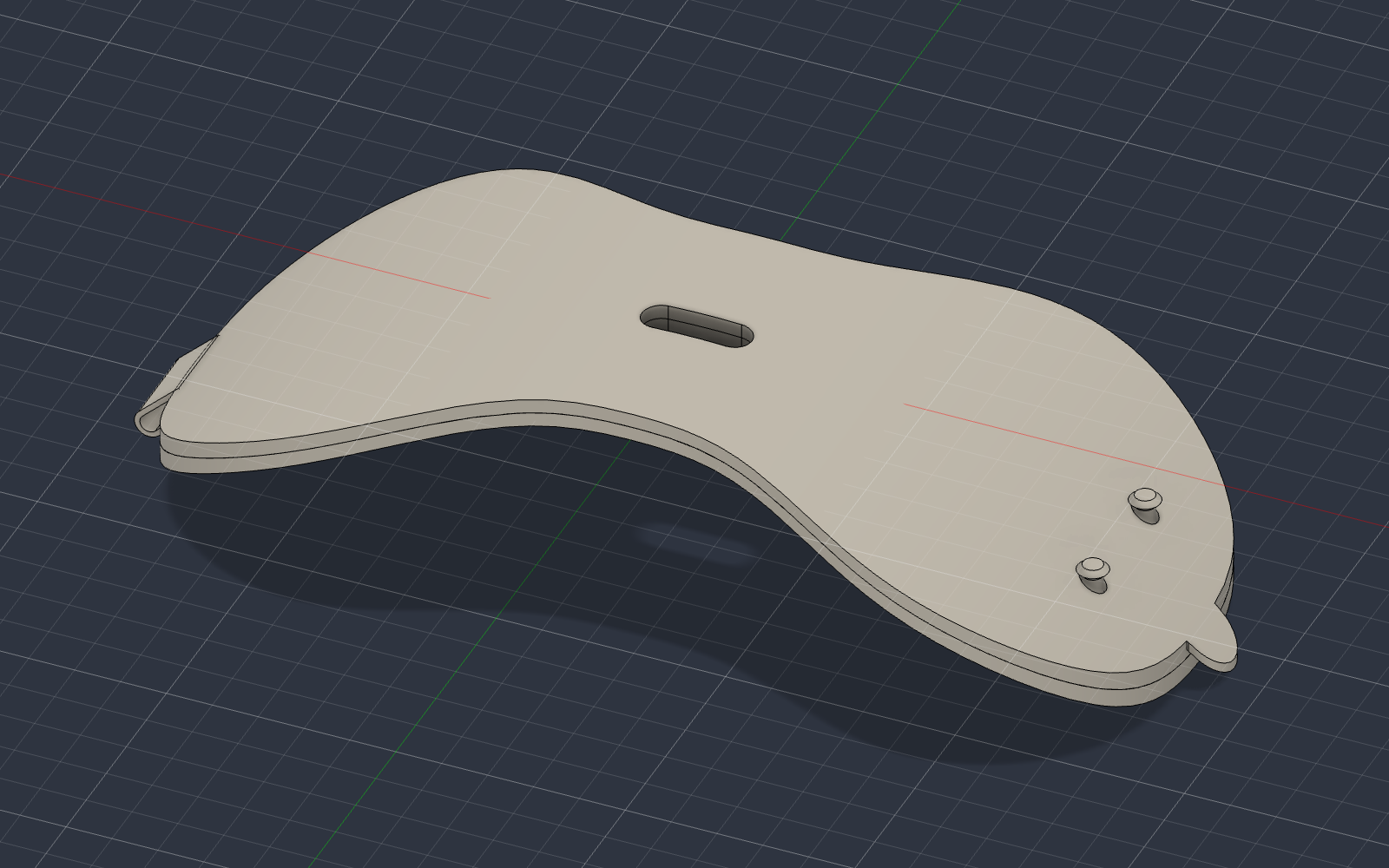
With sleep apnea, guessing is not enough: you need real numbers from a proper test. Zzip is not a medical device and cannot diagnose anything, but it is being designed to log breathing, snoring and SpO₂ trends each night, so you have something concrete to bring to your doctor.
| Regular mouth tape | Zzip | |
|---|---|---|
| Keeps your mouth closed | ✓ | ✓ |
| Measures your breathing | — | ✓ |
| Detects snoring | — | ✓ |
| Responds to snoring | — | ✓ |
| Smart wake-up window | — | ✓ |
| Shows you the results | — | ✓ |
- Keeps your mouth closed, comfortablyA flexible silicone body with an integrated, skin-friendly adhesive, shaped around the mouth.
- Follows every breathA thermistor near the nose counts each breathing cycle directly from the warm and cool air of your breath.
- Hears snoring and respondsA microphone detects snoring; a gentle vibration is designed to encourage you to change position without waking you.
- Wakes you at a better momentA smart alarm looks for a suitable moment in the window before your alarm time.
- Your whole night on one screenOptical pulse and SpO₂ signals, movement and temperature come together in the Zzip app.
If you are curious about mouth taping, Zzip is worth following: it is the version that shows you whether it actually works for you.
Zzip is a prototype in development. Features and measurement performance are being tested. It is not a medical device and does not diagnose or treat sleep apnea or any other condition.
Frequently asked questions
Is mouth taping safe for sleep apnea?
Not without medical advice. People with untreated or suspected sleep apnea should not tape their mouth on their own. If you are diagnosed and treated, talk to your sleep doctor before trying it.
Can mouth tape cure sleep apnea?
No. Mouth tape does not open the airway in the throat, where obstructive sleep apnea happens. Small studies saw improvements only in some people with mild OSA, and a 2025 review found the evidence too weak to recommend it.
Can mouth tape replace a CPAP machine?
No. CPAP keeps the airway open with air pressure. Tape does not. Do not stop or skip a prescribed treatment because you are trying mouth tape.
Can mouth taping make sleep apnea worse?
It can if your nose is blocked, because your mouth is then no longer a backup airway. It can also mask snoring so that the real problem goes unnoticed for longer.
How do I know if I have sleep apnea or just snore?
You cannot be sure without a sleep study. Breathing pauses, gasping and strong daytime sleepiness point toward sleep apnea and are good reasons to see a doctor.
Sources
- Rhee et al. (2025). Breaking social media fads and uncovering the safety and efficacy of mouth taping in patients with mouth breathing, sleep disordered breathing, or obstructive sleep apnea: A systematic review. PLOS One.
- Lee YC, Lu CT, Cheng WN, Li HY (2022). The Impact of Mouth-Taping in Mouth-Breathers with Mild Obstructive Sleep Apnea: A Preliminary Study. Healthcare (Basel) 10(9):1755.
- National Heart, Lung, and Blood Institute (NHLBI). Sleep Apnea: What Is Sleep Apnea?
- National Heart, Lung, and Blood Institute (NHLBI). Sleep Apnea: Treatment.
- Sleep Foundation. Mouth Taping for Sleep: Does It Work?
This article is for general information only and is not medical advice. If you have symptoms of a sleep or breathing disorder, talk to a qualified healthcare professional.