Mouth Tape vs Mouth Guard for Snoring: Which One Fits Your Problem?
An anti-snoring mouthpiece and a strip of mouth tape are both sold as snoring fixes, but they act on different parts of the airway and sit at very different levels of evidence. Here is how they compare, and why one usually needs a dentist and a sleep doctor.
First, which “mouth guard” do you mean?
“Mouth guard” covers several devices, and only one of them is designed for snoring:
- Mandibular advancement device (MAD), also called a mandibular repositioning mouthpiece or anti-snoring mouthpiece. It covers the upper and lower teeth and holds the lower jaw slightly forward during sleep. This is the one compared here.
- Tongue-retaining device, which holds the tongue forward instead of the jaw.
- Night guard for teeth grinding, a splint that protects the teeth. It is not designed to open the airway. If grinding is your concern, see mouth tape and teeth grinding.
How each one works
An anti-snoring mouthpiece targets the back of the throat. When you sleep on your back, the jaw and tongue can sag backward and narrow the airway, which makes the soft tissue vibrate. Holding the jaw forward pulls the tongue forward too, leaving more room for air. The NHLBI lists these mouthpieces among the treatments for sleep apnea.
Mouth tape targets the front of the mouth. It keeps the lips together so you breathe through your nose. It does nothing to the jaw position or the space behind the tongue. That is why it can only help snoring that comes from an open mouth, as we explain in mouth tape for snoring.
What the evidence says
Oral appliances: guideline support
In 2015 the American Academy of Sleep Medicine and the American Academy of Dental Sleep Medicine published a joint clinical guideline on oral appliance therapy. It recommends that sleep physicians prescribe oral appliances for adults who want treatment for primary snoring without sleep apnea, and that they consider oral appliances rather than no treatment for adults with sleep apnea who cannot tolerate CPAP or prefer an alternative. It also suggests a custom, titratable appliance made by a qualified dentist over non-custom devices, and follow-up sleep testing to confirm the appliance is working.
Mouth tape: early and limited
A 2022 preliminary study of 20 mouth breathers with mild sleep apnea found tape roughly halved their snoring index and apnea-hypopnea index, without a control group. A 2025 systematic review of 10 small studies rated all of them poor quality and concluded the data does not support mouth taping as a sound clinical intervention for sleep-disordered breathing.
Mouth tape vs mouth guard, side by side
| Anti-snoring mouthpiece (MAD) | Mouth tape | |
|---|---|---|
| Where it acts | Jaw and tongue, back of the throat | Lips, front of the mouth |
| Snoring type it targets | Throat and tongue-base snoring | Open-mouth snoring only |
| Sleep apnea | Recognised option, especially if CPAP is not tolerated | Not a treatment |
| Evidence level | Clinical practice guideline | Small, low-quality studies |
| Who is involved | Sleep physician and qualified dentist | Usually self-directed |
| Fitting | Custom and adjustable preferred | None, but needs a clear nose |
| Main downsides | Mostly dental, such as bite changes; needs dental follow-up | Skin irritation; risk if the nose blocks |
| Cost | Higher, especially custom devices | Low |
Which one makes sense for you?
Start with the right question: why do you snore?
If your snoring is loud, nightly, or comes with breathing pauses, gasping or daytime sleepiness, the first step is a doctor and possibly a sleep study, not a product. Our guide on snoring vs sleep apnea lists the signs.
When a mouthpiece is the better fit
- You snore even with your mouth closed, or when lying on your back;
- You have been diagnosed with sleep apnea and cannot use CPAP, or prefer an alternative, and your sleep doctor agrees;
- Your teeth and gums are healthy enough to anchor an appliance. A dentist will check.
When mouth tape might be worth a careful try
- You have been checked and do not have sleep apnea;
- You breathe easily through your nose while awake;
- Your snoring or dry mouth seems linked to your mouth falling open.
Can you use both?
Some people with an oral appliance still sleep with their lips apart. At least one small study included in the 2025 review looked at combining mouth taping with an appliance, but there is not enough evidence to recommend it. If you already have a mouthpiece and are curious, ask the dentist and sleep doctor who manage it.
Safety notes for both
- Do not use mouth tape if your nose is blocked, after alcohol or sedatives, if you feel nauseous, or for children without medical advice.
- Do not self-adjust an appliance beyond what your dentist sets, and report jaw pain or bite changes.
- Neither device should replace a diagnosis. If you feel exhausted during the day despite using one, go back to your doctor.
For the full menu of options, including nasal strips and positional devices, see anti-snoring devices.
Not just tape.
A mouth band that understands your night.
Whatever you try, a mouthpiece, tape or both, the honest test is your own nights. Zzip is being designed to track snoring, breathing and mouth versus nose airflow, so you can see how a change in your routine shows up over several nights. It is not a medical device and does not replace a sleep study.
| Regular mouth tape | Zzip | |
|---|---|---|
| Keeps your mouth closed | ✓ | ✓ |
| Measures your breathing | — | ✓ |
| Detects snoring | — | ✓ |
| Responds to snoring | — | ✓ |
| Smart wake-up window | — | ✓ |
| Shows you the results | — | ✓ |
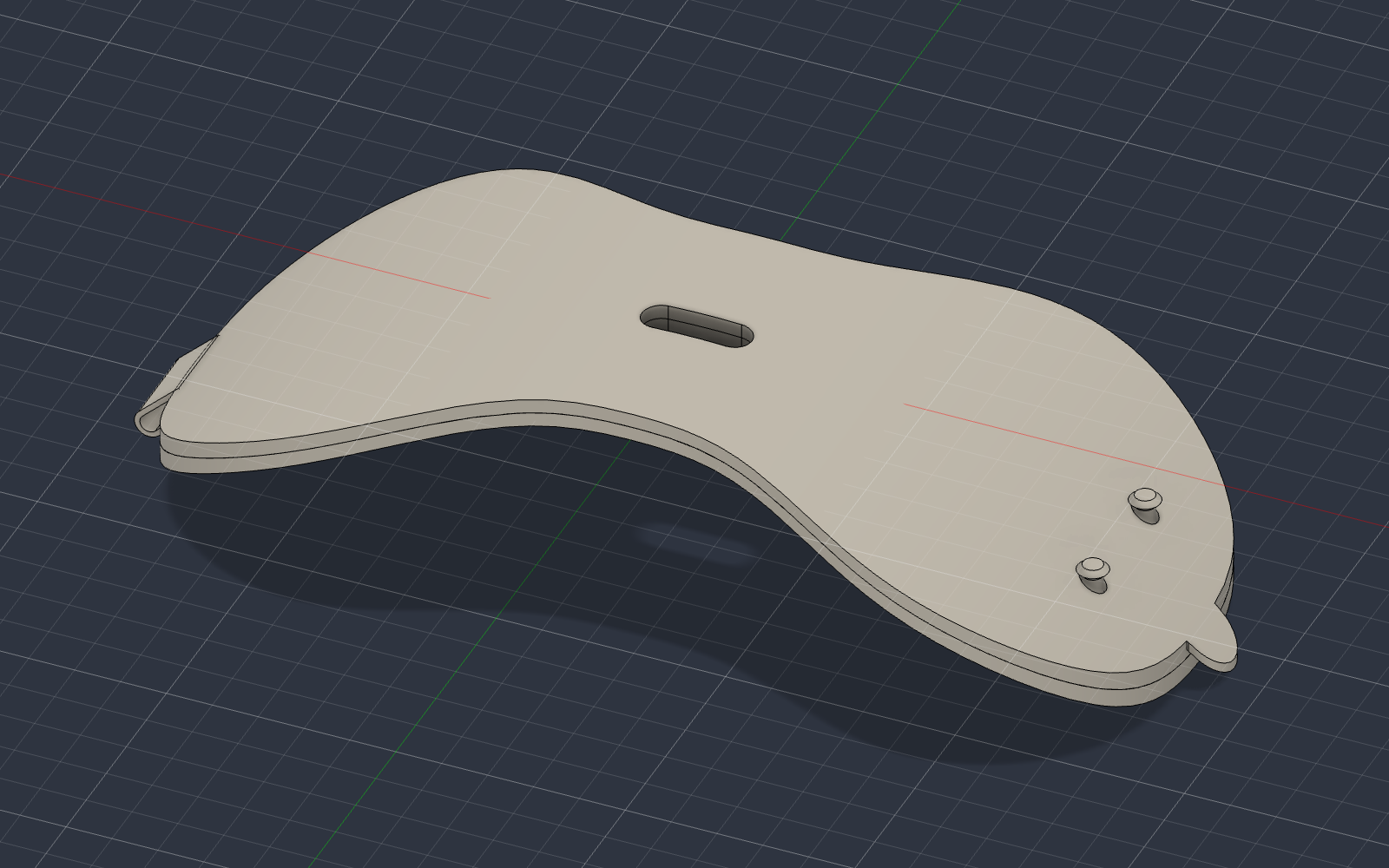
- Keeps your mouth closed, comfortablyA flexible silicone body with an integrated, skin-friendly adhesive, shaped around the mouth.
- Follows every breathA thermistor near the nose counts each breathing cycle directly from the warm and cool air of your breath.
- Hears snoring and respondsA microphone detects snoring; a gentle vibration is designed to encourage you to change position without waking you.
- Wakes you at a better momentA smart alarm looks for a suitable moment in the window before your alarm time.
- Your whole night on one screenOptical pulse and SpO₂ signals, movement and temperature come together in the Zzip app.
If you are curious about mouth taping, Zzip is worth following: it is the version that shows you whether it actually works for you.
Zzip is a prototype in development. Features and measurement performance are being tested. It is not a medical device and does not diagnose or treat sleep apnea or any other condition.
Frequently asked questions
Is mouth tape better than a mouth guard for snoring?
Not in general. Anti-snoring mouthpieces have guideline support for primary snoring; mouth tape only has small studies and only targets open-mouth snoring.
Do anti-snoring mouthpieces work for sleep apnea?
Oral appliances are a recognised option for adults with sleep apnea who cannot tolerate CPAP or prefer an alternative. They should be prescribed by a sleep physician and fitted by a qualified dentist, with a follow-up test to confirm they work.
Are store-bought boil-and-bite mouthpieces OK?
The 2015 guideline suggests a custom, adjustable appliance from a qualified dentist over non-custom devices. Talk to a dentist before relying on a store-bought one.
Can I use mouth tape with a mouth guard?
There is not enough evidence to recommend combining them. If you want to try, ask your dentist and sleep doctor, and only when your nose is clear.
Is a night guard for grinding the same as an anti-snoring mouthpiece?
No. A grinding night guard protects the teeth. An anti-snoring mouthpiece moves the lower jaw forward to keep the airway open.
Sources
- Ramar K. et al. (2015). Clinical Practice Guideline for the Treatment of Obstructive Sleep Apnea and Snoring with Oral Appliance Therapy: An Update for 2015. Journal of Clinical Sleep Medicine 11(7):773-827. AASM and AADSM.
- National Heart, Lung, and Blood Institute (NHLBI). Sleep Apnea: Treatment.
- Rhee et al. (2025). Breaking social media fads and uncovering the safety and efficacy of mouth taping in patients with mouth breathing, sleep disordered breathing, or obstructive sleep apnea: A systematic review. PLOS One.
- Lee YC, Lu CT, Cheng WN, Li HY (2022). The Impact of Mouth-Taping in Mouth-Breathers with Mild Obstructive Sleep Apnea: A Preliminary Study. Healthcare (Basel) 10(9):1755.
This article is for general information only and is not medical advice. If you have symptoms of a sleep or breathing disorder, talk to a qualified healthcare professional.