Mouth Tape for Kids: Why Doctors Advise Against It and What to Do Instead
If your child sleeps with their mouth open, it is natural to look for a simple fix, and mouth tape videos make it look easy. For children, though, an open mouth at night is usually a symptom with a cause worth finding. Here is why tape is the wrong first step.
Can you mouth tape kids?
The short answer is no, not on your own. There is no research showing that mouth tape for kids is safe or useful. A 2025 systematic review of mouth taping allowed child studies but found none; every study it included involved adults. The Sleep Foundation states that mouth taping in children has not been studied and should not be tried, and lists children among the people who should avoid it unless under medical supervision.
That gap matters. Children are not small adults. Their airways are smaller, they get colds often, and they may not wake up and remove tape reliably if their nose blocks in the night.
Why children breathe through their mouth
Most people breathe through the mouth because they cannot get enough air through the nose. Cleveland Clinic lists swollen or infected adenoids and tonsils as a common reason in children, along with:
- allergies and nasal congestion;
- frequent colds and sinus infections;
- a deviated septum or enlarged turbinates;
- obstructive sleep apnea.
In each case, the mouth is acting as a backup airway. Taping it closed removes the backup without opening the main route. That is the core reason doctors look for the cause instead. For the full picture, see mouth breathing in children.
Signs of sleep apnea in children
Obstructive sleep apnea in children is often caused by enlarged tonsils or adenoids, and it can look different from adult sleep apnea. Cleveland Clinic lists these signs:
| At night | During the day |
|---|---|
| Snoring, loud breathing or mouth breathing | Tiredness |
| Pauses in breathing | Trouble paying attention or focusing |
| Coughing or choking | Irritability or behaviour problems |
| Restless sleep, tossing and turning | Morning headaches |
| Night sweats, sleepwalking or talking | |
| Bedwetting |
Notice that mouth breathing and snoring are on the list. If you tape a child’s mouth, you may quiet the very signs a doctor would want to hear about. The American Academy of Pediatrics recommends that all children be screened for snoring, and that a sleep study be done when a child snores and has other signs of sleep apnea. More on this in snoring in children.
What doctors do instead
Treatment depends on the cause. According to the AAP guideline and Cleveland Clinic, options include:
- Removing enlarged tonsils and adenoids, which the AAP recommends as the first-line treatment for children with sleep apnea and large tonsils or adenoids;
- Treating allergies or congestion, for example with allergy medicines or nasal steroid sprays prescribed by a doctor;
- CPAP if surgery is not done or sleep apnea remains afterward;
- Weight management when it is a factor.
An orthodontist or pediatric dentist may also be involved if mouth breathing has affected the bite. Some parents first hear about mouth tape through claims about face shape; we cover why those claims do not hold up in mouth tape and jawline.
When to see a doctor
- Your child snores on most nights;
- You hear pauses, gasps or choking sounds during sleep;
- Your child breathes through the mouth most of the time, day or night;
- Daytime tiredness, poor focus or behaviour changes appear alongside poor sleep;
- Bedwetting comes together with snoring or restless sleep.
Seek urgent help if your child is struggling to breathe or their lips, skin or nails look blue, grey or pale.
Things parents can do tonight
While you wait for an appointment, focus on the nose rather than the mouth:
- Use saline drops or spray to clear a stuffy nose, if suitable for your child’s age;
- Keep the bedroom smoke-free and dust down allergens where you can;
- Keep a short sleep diary and, if you can, record a minute or two of your child’s breathing on your phone to show the doctor.
Check any medicines, including decongestants, with a pharmacist or doctor first, since not all are suitable for children.
Not just tape.
A mouth band that understands your night.
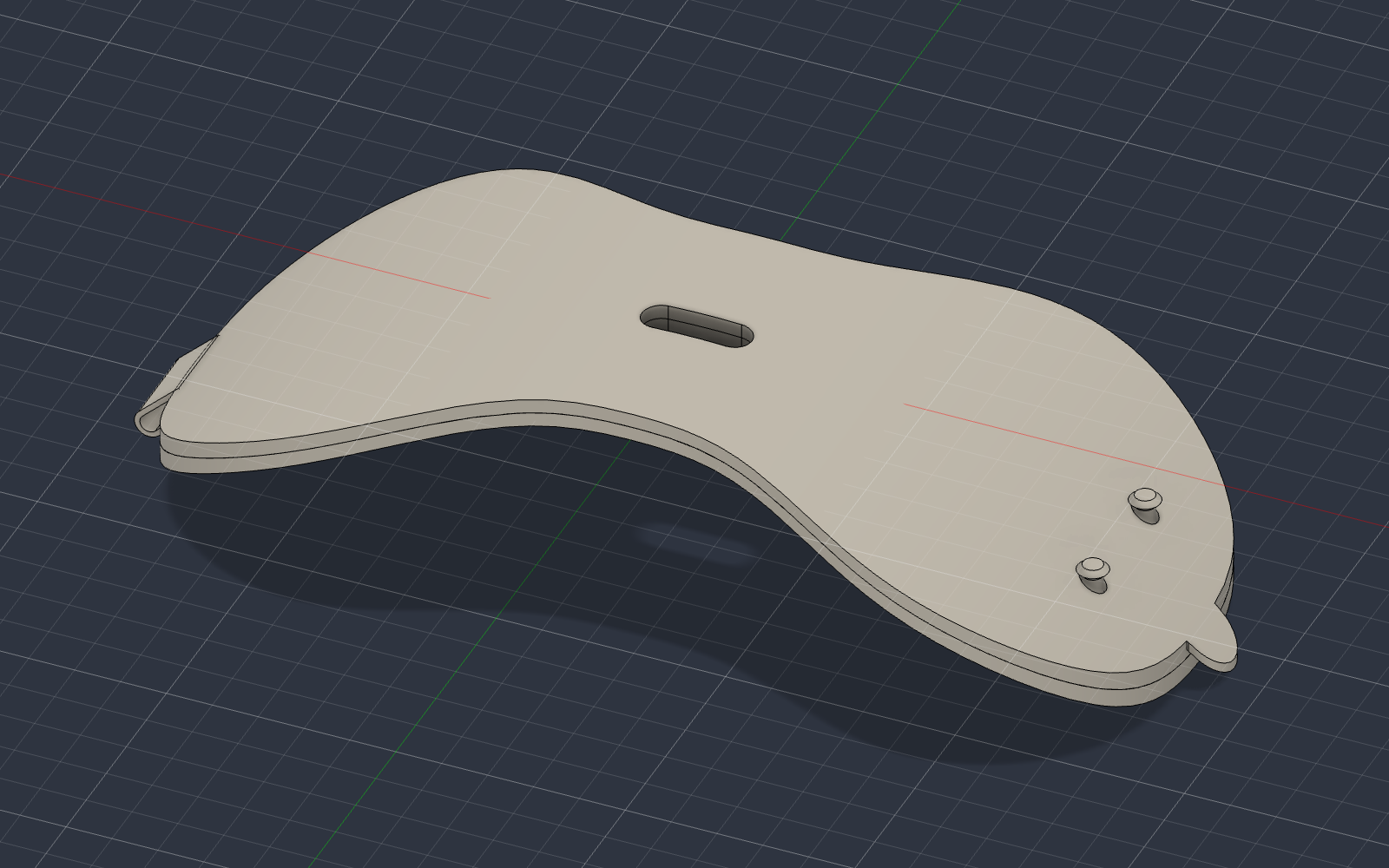
Zzip is designed for adults and is not intended for children. For a child, the most useful “data” is a pediatrician’s assessment and, if needed, a proper sleep study. For your own nights, Zzip is being developed to show how you breathe and snore, which can help you notice patterns in the whole family’s sleep.
| Regular mouth tape | Zzip | |
|---|---|---|
| Keeps your mouth closed | ✓ | ✓ |
| Measures your breathing | — | ✓ |
| Detects snoring | — | ✓ |
| Responds to snoring | — | ✓ |
| Smart wake-up window | — | ✓ |
| Shows you the results | — | ✓ |
- Keeps your mouth closed, comfortablyA flexible silicone body with an integrated, skin-friendly adhesive, shaped around the mouth.
- Follows every breathA thermistor near the nose counts each breathing cycle directly from the warm and cool air of your breath.
- Hears snoring and respondsA microphone detects snoring; a gentle vibration is designed to encourage you to change position without waking you.
- Wakes you at a better momentA smart alarm looks for a suitable moment in the window before your alarm time.
- Your whole night on one screenOptical pulse and SpO₂ signals, movement and temperature come together in the Zzip app.
If you are curious about mouth taping, Zzip is worth following: it is the version that shows you whether it actually works for you.
Zzip is a prototype in development. Features and measurement performance are being tested. It is not a medical device and does not diagnose or treat sleep apnea or any other condition.
Frequently asked questions
Is mouth taping safe for kids?
It has not been studied in children and is not recommended without medical supervision. If the nose blocks at night, a child may not be able to breathe well or remove the tape.
At what age can kids use mouth tape?
There is no research-based age. Do not use mouth tape on a child unless a doctor who has examined them specifically advises it.
Why does my child sleep with their mouth open?
Common reasons are large adenoids or tonsils, allergies, congestion and frequent colds. Sometimes it is a sign of sleep apnea. A pediatrician can check the nose and airway.
Can mouth taping fix my child’s facial development?
No study shows that. Research links long-term mouth breathing in children with differences in jaw development, but the usual approach is treating the cause, not taping the mouth.
What can I use instead of mouth tape for my child?
Focus on the cause: see a pediatrician, treat congestion or allergies as advised, and ask about a sleep study if your child snores or has breathing pauses.
Sources
- Sleep Foundation. Mouth Taping for Sleep: Does It Work?
- Rhee et al. (2025). Breaking social media fads and uncovering the safety and efficacy of mouth taping in patients with mouth breathing, sleep disordered breathing, or obstructive sleep apnea: A systematic review. PLOS One.
- Marcus CL. et al., American Academy of Pediatrics (2012). Diagnosis and management of childhood obstructive sleep apnea syndrome. Pediatrics 130(3):576-84.
- Cleveland Clinic. Obstructive Sleep Apnea in Children.
- Cleveland Clinic. Mouth Breathing: Symptoms, Complications & Treatment.
This article is for general information only and is not medical advice. If you have symptoms of a sleep or breathing disorder, talk to a qualified healthcare professional.