Mouth Tape and TMJ: Does It Help Teeth Grinding or Make It Worse?
If you wake with a sore jaw or your dentist has spotted wear on your teeth, you may have seen mouth tape suggested as a fix. The idea sounds tidy: close the mouth, calm the jaw. The reality is less certain, and for some people with jaw problems tape is a poor fit.
Teeth grinding, TMJ and breathing: how they connect
Bruxism is the medical name for clenching or grinding your teeth. Cleveland Clinic separates it into two forms: awake bruxism, often tied to stress or concentration, and sleep bruxism, which tends to do more damage because you are not aware of it. Common signs include morning headaches or facial pain, sore jaw muscles, earache and worn or cracked teeth.
The temporomandibular joint (TMJ) is the hinge that connects your lower jaw to your skull. Long-term grinding can strain the joint and muscles around it, and TMJ disorder is one of the complications Cleveland Clinic lists for untreated bruxism.
Where breathing comes in: many people have both sleep bruxism and sleep apnea. A 2025 systematic review of 11 studies found that sleep bruxism was consistently more common in people with obstructive sleep apnea than in the general population. The authors suggest the two may share mechanisms, such as brief arousals from sleep, but say the cause-and-effect relationship is still unclear and better studies are needed.
Does mouth tape help TMJ or teeth grinding?
The short answer is that nobody has shown it does. The 2025 PLOS One systematic review of mouth taping pulled together 10 studies, and they focused on snoring, sleep apnea and mouth breathing. None of the mouth-taping research we found measured grinding or jaw pain as an outcome.
You will see arguments both ways online:
- The case people make for it: keeping the lips together may encourage a closed, relaxed jaw position and nasal breathing, which some believe could reduce strain.
- The case against it: holding the lips shut does nothing to stop the teeth from clenching behind them, and for someone whose jaw is already tight, a closed mouth all night is not obviously a relief.
Both are theories. Until someone measures it, treat any claim that mouth tape “fixes” bruxism or TMJ as unproven.
When mouth tape is a bad idea with jaw problems
| Your situation | Mouth tape? | Why |
|---|---|---|
| Jaw locks, catches or is hard to open | Avoid until your dentist says otherwise | You need to open your mouth quickly if your nose blocks or you feel sick |
| Painful TMJ flare-up | Pause | Adding something new makes it hard to tell what is helping or hurting |
| Grinding plus loud snoring or gasping | Get checked first | These together can point to sleep apnea, which tape does not treat |
| Wearing a night guard | Ask your dentist | A guard can change how the lips rest; comfort and fit matter |
| Mild grinding, clear nose, mouth falls open | Possible, with care | Only for nasal breathing, not as a grinding treatment |
The usual cautions also apply: never use tape with a blocked nose, after alcohol or sedatives, or if you feel anxious or nauseous with your mouth covered. Our guide on whether mouth taping is safe covers these in detail.
Why grinding is worth a breathing check
If you grind at night and also snore loudly, wake up gasping or feel very sleepy during the day, those signs together deserve attention. Cleveland Clinic notes that a sleep study may be needed in some cases of bruxism, and that sleep apnea and grinding often occur together.
That matters for mouth tape. Taping is not a treatment for sleep apnea, and the 2025 PLOS One review did not support it as a clinical intervention for sleep-disordered breathing. If grinding is linked to disturbed breathing, closing your mouth might hide one symptom while the underlying problem continues. Our article on snoring vs sleep apnea explains the warning signs.
What actually helps teeth grinding
These are the approaches Cleveland Clinic lists for bruxism. Which ones fit you depends on how often you grind and how much damage there is:
- See your dentist. They can spot wear patterns, check the jaw joint and decide whether you need treatment at all. Mild, occasional grinding often does not.
- A custom night guard. It protects the teeth from wear and can help with jaw position. Custom-made guards fit better than generic ones.
- Lower your stress load. Stress, anxiety and depression are linked to grinding. Exercise, relaxation techniques and cognitive behavioural therapy can help.
- Cut back on caffeine, alcohol and nicotine. Cleveland Clinic notes that smoking, heavy drinking and very high coffee intake roughly double the likelihood of grinding.
- Review your medicines. Some antidepressants (SSRIs) are linked to bruxism. Do not stop anything on your own; talk to the prescriber.
- Short-term options for severe cases, such as muscle relaxants or injections, are decided by a professional.
If you still want to try mouth tape
If your dentist is comfortable with it and your nose is clear, think of mouth tape as a tool for nasal breathing, not for your jaw. Use a gentle, skin-safe tape that peels off in one movement, start with short periods while awake, and keep a simple log of jaw pain and headaches for two weeks. If symptoms get worse, stop. Our guide on how to mouth tape covers the basics.
Not just tape.
A mouth band that understands your night.
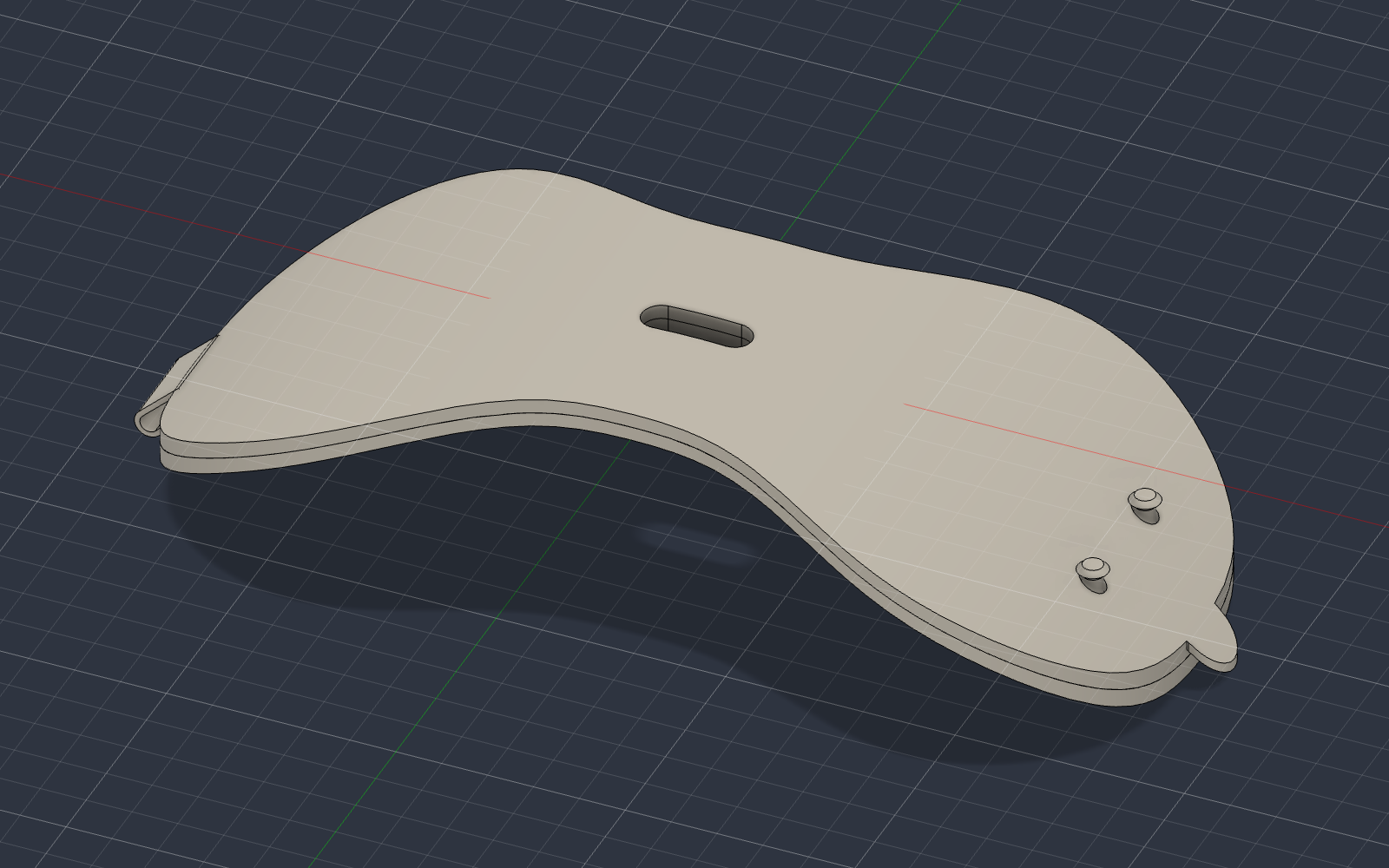
Grinding, snoring and mouth breathing all happen while you are asleep and cannot see them. Zzip is being developed to record your breathing, snoring and movement through the night, so you and your dentist or doctor have more than guesses to go on.
| Regular mouth tape | Zzip | |
|---|---|---|
| Keeps your mouth closed | ✓ | ✓ |
| Measures your breathing | — | ✓ |
| Detects snoring | — | ✓ |
| Responds to snoring | — | ✓ |
| Smart wake-up window | — | ✓ |
| Shows you the results | — | ✓ |
- Keeps your mouth closed, comfortablyA flexible silicone body with an integrated, skin-friendly adhesive, shaped around the mouth.
- Follows every breathA thermistor near the nose counts each breathing cycle directly from the warm and cool air of your breath.
- Hears snoring and respondsA microphone detects snoring; a gentle vibration is designed to encourage you to change position without waking you.
- Wakes you at a better momentA smart alarm looks for a suitable moment in the window before your alarm time.
- Your whole night on one screenOptical pulse and SpO₂ signals, movement and temperature come together in the Zzip app.
If you are curious about mouth taping, Zzip is worth following: it is the version that shows you whether it actually works for you.
Zzip is a prototype in development. Features and measurement performance are being tested. It is not a medical device and does not diagnose or treat sleep apnea or any other condition.
Frequently asked questions
Does mouth taping help with teeth grinding?
There is no research showing that it does. Mouth-taping studies have looked at snoring, sleep apnea and mouth breathing. Tape keeps the lips together but does not stop the teeth from clenching.
Can mouth tape make TMJ worse?
It has not been studied, but some people with tight or painful jaws find a closed mouth all night uncomfortable. If your jaw locks or is hard to open, check with a dentist before trying it.
Can I wear mouth tape with a night guard?
Some people do, but a guard can change how your lips rest and how easy it is to breathe. Ask the dentist who made your guard, and only try it with a clear nose.
Is teeth grinding a sign of sleep apnea?
Not on its own, but the two often occur together. If you grind and also snore loudly, gasp at night or feel very sleepy in the day, ask a doctor about a sleep assessment.
Does mouth breathing cause jaw pain?
The link has not been clearly established. Jaw pain at night is more commonly tied to clenching and grinding, which have many contributors including stress, caffeine, alcohol and some medicines.
Sources
- Cleveland Clinic. Bruxism (Teeth Grinding): Symptoms, Causes & Treatment.
- García Doblado N. et al. (2025). Relationship Between Bruxism and Obstructive Sleep Apnea: A Systematic Review of the Literature. Journal of Clinical Medicine 14(14):5013.
- Rhee et al. (2025). Mouth taping in patients with mouth breathing, sleep disordered breathing, or obstructive sleep apnea: A systematic review. PLOS One.
This article is for general information only and is not medical advice. If you have symptoms of a sleep or breathing disorder, talk to a qualified healthcare professional.