Does Mouth Tape Work? What the Evidence Shows and How to Test It on Yourself
Social media says mouth tape changes everything. Sleep doctors say the evidence is thin. Both can be partly right, because the answer depends on what you want it to do and on who you are. Here is what the studies actually measured, and how to find out whether it works for you.
Does mouth tape work? First, define “work”
People tape their mouths for different reasons: to snore less, to wake without a dry mouth, to sleep more deeply or to “train” nasal breathing. These are different outcomes, and the evidence for each is very different. Asking whether mouth tape works without saying for what is how the internet ends up with confident answers in both directions.
The research so far mostly measured three things: snoring, the apnea-hypopnea index (AHI, breathing pauses and shallow breaths per hour) and oxygen levels. Claims about energy, focus or jawlines have not been studied in any meaningful way. For a claim-by-claim breakdown, see mouth tape benefits.
What the studies actually found
| Study | Who | What changed |
|---|---|---|
| Huang & Young, 2015 | 30 mouth breathers with mild sleep apnea, porous oral patch | Snoring index fell from 146.7 to 40.0 per hour; AHI from 12.0 to 7.8; sleepiness scores dropped |
| Lee et al., 2022 | 20 mouth breathers with mild sleep apnea, silicone tape, retested after a week | Snoring index and AHI both fell by about 47%; 13 of 20 were good responders |
| Cooper et al., 2009 | 50 adults with asthma, randomised crossover | No difference in morning lung function or symptoms |
| Yang et al., 2024 | 54 people with sleep apnea, mouth closed during sedated sleep | Airflow improved on average but worsened in the heaviest mouth breathers |
A 2025 systematic review in PLOS One pulled together 10 studies on mouth taping and similar mouth-closing methods. Three reported less snoring. Only 2 of the 6 that measured AHI found a significant improvement, both in mild cases. All of the mouth-taping studies were rated poor quality. The authors concluded the data does not support mouth taping as a sound clinical intervention, with possible benefit in a narrow group with mild sleep apnea.
When mouth tape tends to work, and when it doesn’t
Read together, the studies point to a fairly specific profile of the person most likely to benefit:
- More likely to work: you breathe easily through your nose while awake, your mouth falls open during sleep, and your snoring is the open-mouth kind. In the 2022 study, people who snored more at baseline tended to improve more.
- Less likely to work: your snoring comes from the nose or the back of the throat, your nose is often blocked, or you breathe through your mouth because your airway needs it. The 2024 study found that in the heaviest mouth breathers, closing the mouth reduced airflow.
- Not the right tool: moderate or severe sleep apnea, asthma control, or any problem where the mouth is not the cause.
If you are not sure which kind of snorer you are, mouth tape for snoring walks through a simple self-test.
Why the evidence is still weak
None of this means mouth tape is useless. It means we don’t know much yet. The positive studies share the same limits:
- Small samples: 20 to 30 people.
- No control group: people were compared with themselves before and after, so expectation and night-to-night variation can’t be separated from the tape.
- Short follow-up: around a week, nothing on long-term use.
- Selected participants: people with blocked noses were usually excluded, and the 2022 study only included people who could tolerate a sealed mouth.
Snoring also varies a lot from night to night with alcohol, sleep position, colds and tiredness. A single good night after taping says very little.
How to judge your own results
Because the research can’t tell you whether you are a responder, treat mouth tape as a small personal experiment. A two-week plan works well:
- Week one, no tape. Sleep as usual and record your baseline. Use a snoring recording app if you can, or ask your partner to note how loud and how often.
- Week two, tape on. Keep everything else the same: bedtime, pillow, alcohol, caffeine. Change one thing only.
- Score the same things every morning: dry mouth (0 to 3), number of awakenings, whether the tape was still on, how rested you feel (0 to 10), and snoring from the recording.
- Compare averages, not single nights. Exclude nights with a cold or alcohol from both weeks.
Our guide to your first week of mouth taping has a simple diary format, and how to know if you snore covers recording options.
Signs it isn’t working, or isn’t right for you
- Your recorded snoring is about the same with and without tape;
- You often wake with the tape pulled off or your cheeks puffing against it;
- You sleep worse, wake more or feel anxious;
- You still feel very sleepy during the day, or a partner notices breathing pauses. That needs a doctor, not a different tape.
Not just tape.
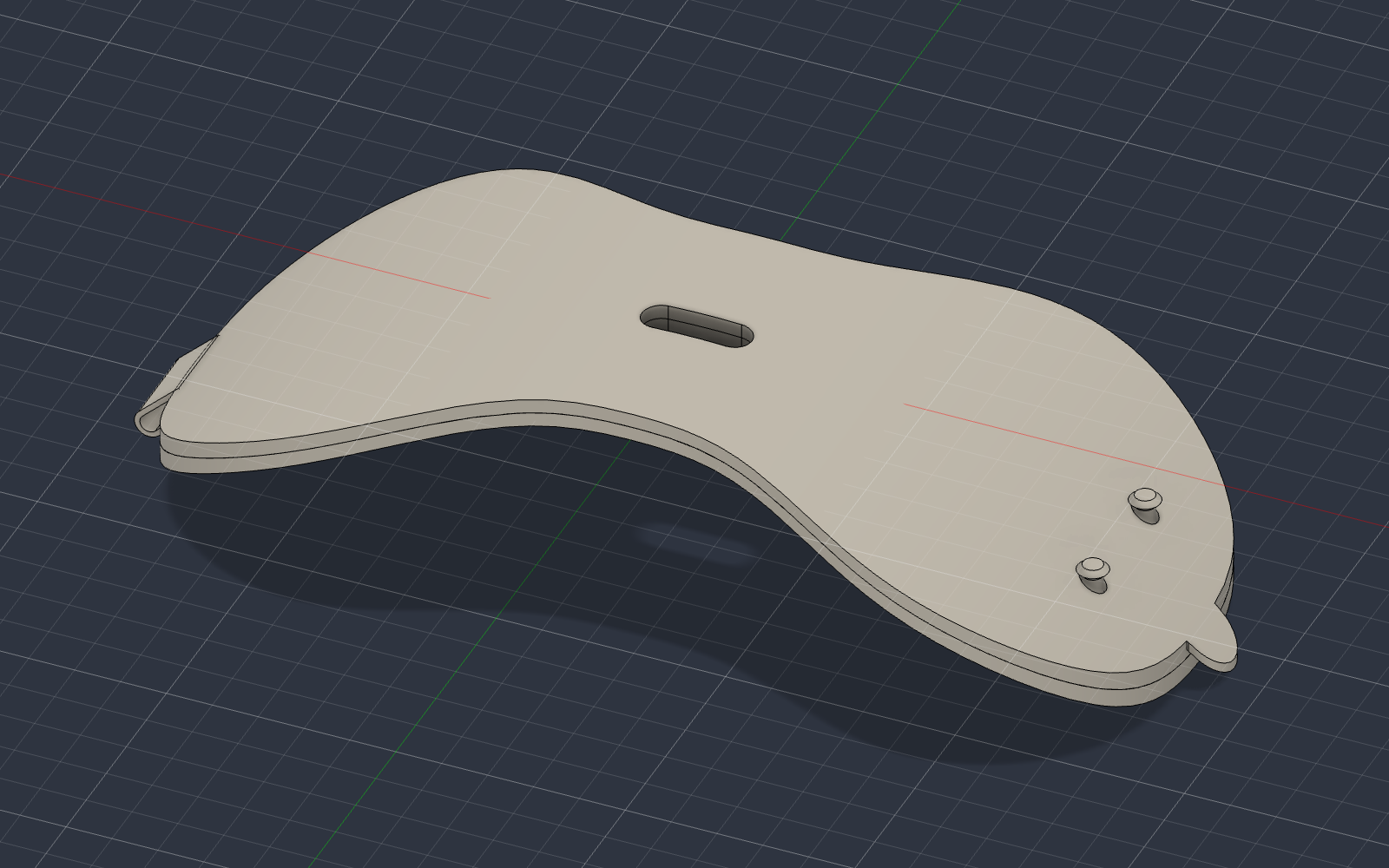
A mouth band that understands your night.
Judging mouth tape by how you feel in the morning is guesswork. Zzip is designed to show what changed: whether you breathed through your nose or mouth, how much you snored, and how your SpO₂ looked, night by night.
| Regular mouth tape | Zzip | |
|---|---|---|
| Keeps your mouth closed | ✓ | ✓ |
| Measures your breathing | — | ✓ |
| Detects snoring | — | ✓ |
| Responds to snoring | — | ✓ |
| Smart wake-up window | — | ✓ |
| Shows you the results | — | ✓ |
- Keeps your mouth closed, comfortablyA flexible silicone body with an integrated, skin-friendly adhesive, shaped around the mouth.
- Follows every breathA thermistor near the nose counts each breathing cycle directly from the warm and cool air of your breath.
- Hears snoring and respondsA microphone detects snoring; a gentle vibration is designed to encourage you to change position without waking you.
- Wakes you at a better momentA smart alarm looks for a suitable moment in the window before your alarm time.
- Your whole night on one screenOptical pulse and SpO₂ signals, movement and temperature come together in the Zzip app.
If you are curious about mouth taping, Zzip is worth following: it is the version that shows you whether it actually works for you.
Zzip is a prototype in development. Features and measurement performance are being tested. It is not a medical device and does not diagnose or treat sleep apnea or any other condition.
Frequently asked questions
Does mouth tape actually work?
For some mouth breathers who snore, small studies show clear reductions in snoring. For most other claims, there is no solid evidence yet, and a 2025 review did not support it as a clinical treatment.
How long does mouth tape take to work?
If it is going to help snoring, the effect should show up fairly quickly. The 2022 study retested people with the tape on one week after their baseline night. Give it one to two weeks of consistent use before you judge.
Does mouth taping improve sleep quality?
One small study found lower daytime sleepiness scores with a porous oral patch, but sleep quality has not been studied well. Some people sleep worse at first while they get used to it.
Why doesn’t mouth tape work for me?
Usually because your snoring doesn’t come from an open mouth, your nose isn’t clear enough, or the tape comes off during the night. Persistent loud snoring despite taping is worth discussing with a doctor.
Does mouth tape work for sleep apnea?
It is not a sleep apnea treatment. Benefits were only seen in small studies of mild cases, and closing the mouth can reduce airflow in some people with sleep apnea.
Sources
- Rhee et al. (2025). Mouth taping in patients with mouth breathing, sleep disordered breathing, or obstructive sleep apnea: A systematic review. PLOS One.
- Lee YC, Lu CT, Cheng WN, Li HY (2022). The Impact of Mouth-Taping in Mouth-Breathers with Mild Obstructive Sleep Apnea: A Preliminary Study. Healthcare (Basel) 10(9):1755.
- Huang TW, Young TH (2015). Novel porous oral patches for patients with mild obstructive sleep apnea and mouth breathing: a pilot study. Otolaryngology–Head and Neck Surgery 152(2):369-73.
- Cooper S, Oborne J, Harrison T, Tattersfield A (2009). Effect of mouth taping at night on asthma control: a randomised single-blind crossover study. Respiratory Medicine 103(6):813-9.
- Yang H, Huyett P, Wang TY, et al. (2024). Mouth Closure and Airflow in Patients With Obstructive Sleep Apnea: A Nonrandomized Clinical Trial. JAMA Otolaryngology–Head & Neck Surgery.
This article is for general information only and is not medical advice. If you have symptoms of a sleep or breathing disorder, talk to a qualified healthcare professional.