Mouth Tape Side Effects: What Can Go Wrong and How to Reduce It
Most people who give up on mouth tape don’t quit because of a scary night. They quit because of a red rash, sore lips or a few restless nights. Here are the side effects people actually run into, why they happen and what helps.
How common are mouth tape side effects?
No study has counted side effects in a large group of everyday users, so we can’t give you a percentage. What we have are small trials and clinical experience. In a 2009 trial where 50 adults with asthma taped their mouths for four weeks, the median person taped 26 of 28 nights and 36 of the 50 rated it very or fairly acceptable. That suggests many people tolerate it, and also that a sizeable minority don’t love it.
Cleveland Clinic, the Sleep Foundation and Houston Methodist list broadly the same mouth tape side effects. Here they are, from most to least common in everyday use.
Side effects at a glance
| Side effect | Usual cause | What helps |
|---|---|---|
| Red, itchy skin or rash | Adhesive irritation or allergy | Gentler adhesive, smaller strip, patch test, rest nights |
| Pimples around the mouth | Trapped sweat and moisture | Breathable tape, clean skin, no heavy creams under it |
| Dry, chapped or sore lips | Adhesive on the lips, rough removal | Strip that avoids the lip edge, balm after removal |
| Pain on removal, pulled hairs | Strong adhesive, facial hair | Peel slowly, wet with warm water, choose a fitting shape |
| Anxiety or claustrophobia | Feeling of a sealed mouth | Practise awake, vertical strip, easy-release tab |
| Restless sleep, waking more | New sensation, adjustment | Give it a few nights; stop if it doesn’t settle |
| Mouth puffing, tape coming off | Still trying to breathe through the mouth | Check your nose; may not be the right tool |
| Shortness of breath | Blocked nose or narrow airway | Stop and get checked |
Skin irritation, rash and breakouts
Redness, itching and rashes from the adhesive are the side effects mentioned most often. Some are simple irritation from repeated sticking and peeling on thin facial skin. Others are a true allergic reaction to the adhesive. Cleveland Clinic notes allergic reactions can happen even with medical-grade, skin-safe tape.
Houston Methodist adds a less obvious one: tape can trap sweat and moisture against the skin, which can encourage bacteria and pimples around the mouth, and the friction of pulling it off can make breakouts worse. People with oily or acne-prone skin should be cautious.
How to reduce it: use a porous tape made for skin, apply it to clean, dry skin without heavy creams underneath, use the smallest strip that does the job, and give your skin rest nights if it gets pink. If you react easily, do a patch test first. Our guide to mouth tape for sensitive skin covers adhesive types in detail.
Dry, sore lips and painful removal
Adhesive on the delicate edge of the lips, plus a quick rip in the morning, can leave lips dry, chapped or even sore. The Sleep Foundation also points out that tape pulls on facial hair, which makes removal painful for anyone with a moustache or stubble.
How to reduce it:
- Choose a shape that sits on the skin around the lips rather than on the lip itself, or a narrow vertical strip.
- Fold over one corner so you have a tab to pull.
- Peel slowly and low, close to the skin, while holding the skin next to it. If it sticks, wet it with warm water first.
- Put lip balm on after you take the tape off, not before you put it on, since balm stops it sticking.
Beards bring their own problems; see mouth tape with a beard.
Anxiety, panic and claustrophobia
For some people, the feeling of a sealed mouth is distressing, especially at the moment of falling asleep or on waking in the dark. Houston Methodist describes how this can trigger a fight-or-flight response with a racing heart. The Sleep Foundation suggests people with anxiety or panic disorders avoid mouth taping.
How to reduce it: wear the tape while awake for short periods first, start with a vertical strip or a design with an opening that doesn’t fully seal the lips, and keep a pull tab within easy reach. If the feeling doesn’t fade after a few tries, stop. Forcing it can make sleep worse. More in mouth tape anxiety.
Broken sleep and mouth puffing
Cleveland Clinic lists trouble falling asleep and staying asleep among the side effects. A new sensation on your face can make the first nights lighter and more broken. For many people this settles within a week.
A different issue is mouth puffing: you keep trying to breathe through the mouth, so air pushes into the cheeks or leaks around the tape. Cleveland Clinic mentions a 2022 study in which several participants struggled with this. Puffing usually means your body wants more air than your nose is giving it. Check whether your nose is truly clear, and if puffing continues, mouth tape may simply not be right for you.
The serious one: difficulty breathing
Feeling short of breath, waking up gasping or choking, or a partner noticing breathing pauses are not side effects to manage with a better tape. A 2025 systematic review found that 4 of 10 studies warned about serious risks such as asphyxiation in people with nasal obstruction. Stop taping and talk to a doctor. Who should avoid mouth taping altogether is covered in is mouth taping safe.
When to stop
- A rash that spreads, blisters, or lasts more than a day or two after you stop;
- Anxiety that doesn’t ease after a few practice sessions;
- Sleep that is still worse after a week or two;
- Frequent mouth puffing or tape torn off in the night;
- Any shortness of breath, gasping or choking.
Not just tape.
A mouth band that understands your night.
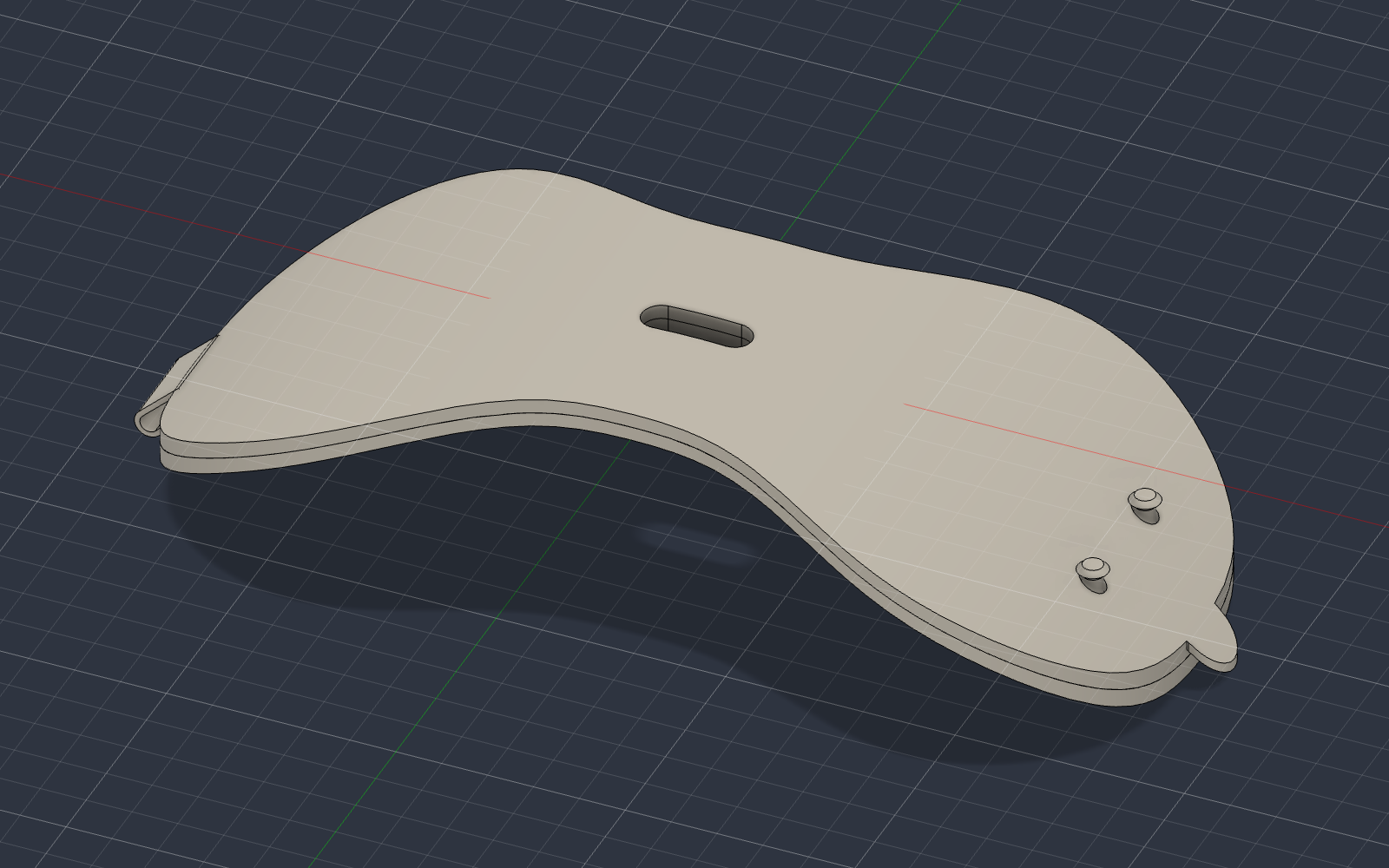
Many side effects of mouth taping come from not knowing what your night looked like: did you puff, wake, struggle? Zzip is being designed to pair a skin-friendly mouth band with sensors for breathing, snoring and movement, so a rough night comes with data instead of guesses.
| Regular mouth tape | Zzip | |
|---|---|---|
| Keeps your mouth closed | ✓ | ✓ |
| Measures your breathing | — | ✓ |
| Detects snoring | — | ✓ |
| Responds to snoring | — | ✓ |
| Smart wake-up window | — | ✓ |
| Shows you the results | — | ✓ |
- Keeps your mouth closed, comfortablyA flexible silicone body with an integrated, skin-friendly adhesive, shaped around the mouth.
- Follows every breathA thermistor near the nose counts each breathing cycle directly from the warm and cool air of your breath.
- Hears snoring and respondsA microphone detects snoring; a gentle vibration is designed to encourage you to change position without waking you.
- Wakes you at a better momentA smart alarm looks for a suitable moment in the window before your alarm time.
- Your whole night on one screenOptical pulse and SpO₂ signals, movement and temperature come together in the Zzip app.
If you are curious about mouth taping, Zzip is worth following: it is the version that shows you whether it actually works for you.
Zzip is a prototype in development. Features and measurement performance are being tested. It is not a medical device and does not diagnose or treat sleep apnea or any other condition.
Frequently asked questions
What are the side effects of mouth taping?
The common ones are skin irritation or rash, pimples around the mouth, dry or sore lips, pain on removal, anxiety and broken sleep. The serious one is difficulty breathing if your nose is blocked.
Why are my lips sore after mouth taping?
Usually because the adhesive sits on the lip edge and is pulled off quickly. Try a strip that avoids the lips, peel slowly with warm water, and use lip balm afterwards.
Can mouth tape cause acne?
It can contribute. Tape traps moisture against the skin, and pulling it off causes friction. Breathable tape and clean skin help; acne-prone skin may need a break.
Can mouth tape give you a headache?
Waking with headaches is not a typical tape side effect, but morning headaches can be a sign of poor breathing at night. If they appear or continue, stop taping and talk to a doctor.
Is it normal to wake up with the tape off?
Now and then, yes, especially in the first nights. If it happens most nights or you notice puffing, your body may be working to breathe through the mouth, and it is worth checking your nose.
Sources
- Cleveland Clinic (2025). Is Mouth Tape Safe To Use While Sleeping? Health Essentials.
- Sleep Foundation (2026). Mouth Taping for Sleep: Does It Work?
- Houston Methodist (2025). Can Mouth Tape During Sleep Be Dangerous? On Health.
- Cooper S, Oborne J, Harrison T, Tattersfield A (2009). Effect of mouth taping at night on asthma control: a randomised single-blind crossover study. Respiratory Medicine 103(6):813-9.
- Rhee et al. (2025). Mouth taping in patients with mouth breathing, sleep disordered breathing, or obstructive sleep apnea: A systematic review. PLOS One.
This article is for general information only and is not medical advice. If you have symptoms of a sleep or breathing disorder, talk to a qualified healthcare professional.