Best Mouth Tape for Sensitive Skin: Adhesives, Patch Testing and Avoiding Irritation
If your skin reacts to plasters, new skincare or cheap earrings, mouth tape can be a problem: eight hours of adhesive on thin facial skin, every night. The good news is that most irritation is avoidable. It comes down to the adhesive, the footprint and how you test and remove it.
Why mouth tape bothers sensitive skin
The skin around the lips is thin, moves constantly and sits in the warm, humid stream of your breath. Mouth tape asks it to hold an adhesive for a whole night and then lose it in one pull, night after night. Cleveland Clinic notes that redness, irritation and allergic reactions can happen even with medical-grade, skin-safe tape. Houston Methodist adds that people with sensitive skin are at higher risk, and that trapped sweat and moisture under tape can lead to breakouts around the mouth.
There are two different problems, and they need different fixes:
- Irritation: the skin is stressed by peeling, rubbing and moisture. It usually looks like pink or dry patches exactly where the tape sat and improves when you are gentler.
- Allergy: your immune system reacts to something in the adhesive. It tends to itch, can spread beyond the tape’s outline and comes back every time you use that adhesive. Only a different adhesive helps.
Adhesive types compared
| Adhesive | Where you find it | Hold | On sensitive skin |
|---|---|---|---|
| Silicone | Silicone medical tapes, some mouth strips | Softer, gentler grip | Usually the gentlest to remove |
| Acrylate (acrylic) | Most medical, paper and micropore tapes, many mouth strips | Firm, builds over time | Fine for many people; acrylates are a known cause of tape allergy |
| Household tape adhesives | Office, packing and duct tapes | Strong, made for paper and packaging | Not for skin |
The strongest piece of evidence comes from anaesthesia, where tape is stuck on faces for hours. In a randomised study of 60 adults at risk of facial skin trauma, silicone tape caused skin injury in about 3% of patients compared with 37% for standard acrylate tapes, and patients were more satisfied with it. Redness and swelling didn’t differ, but damage to the skin did. That wasn’t mouth taping, but it is directly about adhesive on facial skin.
The trade-off: silicone holds more gently, so it can slip on oily skin or stubble. For more on everyday rolls, see regular tape for mouth taping.
What to look for in mouth tape for sensitive skin
- Silicone or a clearly labelled gentle adhesive. If a product doesn’t say what the adhesive is, treat it as unknown and patch test it.
- A small footprint. A narrow vertical strip touches far less skin than a wide horizontal strip or a large frame.
- Adhesive off the lips if your lips peel or crack. Frame designs that stick around the mouth can help here; compare shapes in types of mouth tape.
- Breathable material so moisture doesn’t build up underneath.
- Fragrance-free, and latex-free if you have a latex allergy.
- A pull tab so removal is slow and controlled, not a rip.
Treat “hypoallergenic” as a hint, not a promise. The American Academy of Dermatology warns that products labelled hypoallergenic can still cause reactions.
How to patch test mouth tape
Dermatologists recommend testing new skincare on a small area before using it on the face. The AAD’s method for skincare is a quarter-sized spot on the underside of the arm or inside of the elbow, twice a day for seven to ten days. Tape is worn differently, so here is that idea adapted:
- Nights 1–3: stick a small piece of the tape on your inner forearm before bed and remove it in the morning the way you would from your face.
- Check each morning and an hour later. Faint pinkness that fades quickly is normal. Itching, a raised rash, small blisters or redness that lasts are not.
- Nights 4–5: if your arm is fine, try a small piece on the skin beside your jaw or chin, away from the lips.
- Then the lips, starting with short awake sessions.
If you react, wash the area gently, stop using that tape, and soothe the skin with a cool compress or plain petroleum jelly. If the reaction is strong or doesn’t settle, see a dermatologist; patch testing can identify the exact adhesive you are allergic to.
How to prevent irritation night to night
- Clean and fully dry skin. Moisture and leftover cream weaken the hold and trap sweat.
- No stretching. Lay the tape down without tension; stretched tape tugs all night.
- Remove low and slow. Fold a tab, support the skin, peel close to the surface. Wet stubborn tape with warm water first.
- Moisturise after, not before. Apply a plain, fragrance-free moisturiser and lip balm once the tape is off.
- Shift the placement slightly from night to night so the same patch isn’t stripped every time.
- Take rest nights as soon as you see pinkness that lingers. Pushing through turns mild irritation into broken skin.
Facial hair adds its own pulling and pain on removal; see mouth tape with a beard. For other side effects, read mouth tape side effects.
When to stop
- A rash that spreads beyond the tape outline, blisters or weeps;
- Itching that returns every time you use the same tape;
- Broken, cracked or bleeding skin or lips;
- Breakouts that keep getting worse.
And whatever your skin does, the breathing rules come first: never tape with a blocked nose, after alcohol or sedatives, or if you might have sleep apnea.
Not just tape.
A mouth band that understands your night.
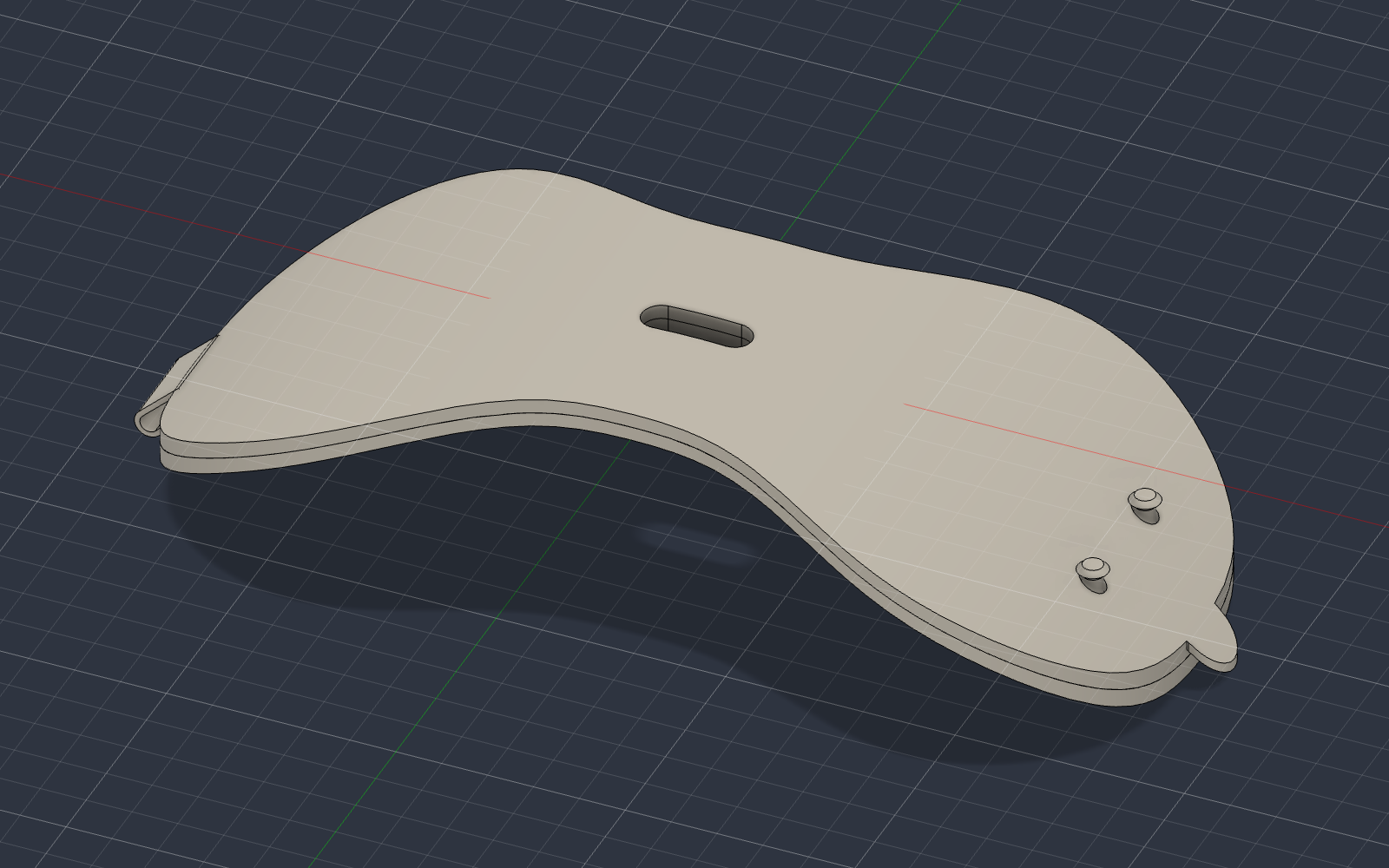
For sensitive skin, the adhesive is half the product. Zzip is being designed as a flexible silicone mouth band with an integrated skin-friendly adhesive, shaped around the mouth, with sensors that show how your night actually went.
| Regular mouth tape | Zzip | |
|---|---|---|
| Keeps your mouth closed | ✓ | ✓ |
| Measures your breathing | — | ✓ |
| Detects snoring | — | ✓ |
| Responds to snoring | — | ✓ |
| Smart wake-up window | — | ✓ |
| Shows you the results | — | ✓ |
- Keeps your mouth closed, comfortablyA flexible silicone body with an integrated, skin-friendly adhesive, shaped around the mouth.
- Follows every breathA thermistor near the nose counts each breathing cycle directly from the warm and cool air of your breath.
- Hears snoring and respondsA microphone detects snoring; a gentle vibration is designed to encourage you to change position without waking you.
- Wakes you at a better momentA smart alarm looks for a suitable moment in the window before your alarm time.
- Your whole night on one screenOptical pulse and SpO₂ signals, movement and temperature come together in the Zzip app.
If you are curious about mouth taping, Zzip is worth following: it is the version that shows you whether it actually works for you.
Zzip is a prototype in development. Features and measurement performance are being tested. It is not a medical device and does not diagnose or treat sleep apnea or any other condition.
Frequently asked questions
What is the best mouth tape for sensitive skin?
One with a gentle silicone adhesive, a small footprint, a pull tab and, if your lips peel, a shape that keeps adhesive off them. Patch test any new tape before using it on your face.
Why does mouth tape make my skin red?
Usually irritation from peeling and moisture, which improves with gentler removal and rest nights. Itching or a rash that spreads suggests an allergy to the adhesive, which needs a different tape.
Is silicone tape better for sensitive skin?
Generally yes. In a randomised study on facial skin, silicone tape caused far fewer skin injuries than acrylate tapes. It holds more gently, so it may loosen on oily skin.
Can you be allergic to mouth tape?
Yes. Allergic reactions to adhesives can happen even with medical-grade, hypoallergenic tape. A dermatologist can patch test to find the cause.
How do I soothe skin irritated by mouth tape?
Stop taping for a few nights, wash the area gently, and use a cool compress or plain petroleum jelly. See a dermatologist if it is severe or doesn’t improve.
Sources
- Zeng LA, Lie SA, Chong SY (2016). Comparison of Medical Adhesive Tapes in Patients at Risk of Facial Skin Trauma under Anesthesia. Anesthesiology Research and Practice.
- American Academy of Dermatology. How to test skin care products.
- Houston Methodist (2025). Can Mouth Tape During Sleep Be Dangerous? On Health.
- Cleveland Clinic (2025). Is Mouth Tape Safe To Use While Sleeping? Health Essentials.
- American Academy of Dermatology. How to test skin care products before use. AAD News.
This article is for general information only and is not medical advice. If you have symptoms of a sleep or breathing disorder, talk to a qualified healthcare professional.