Mouth Tape with CPAP: Mouth Leaks, Nasal Masks and Safer Options
If you use CPAP with a nasal mask and wake up with a dry mouth, air may be escaping through your lips. Mouth tape is one idea people try. Here is what the research says, and why this is a decision to make with your sleep team, not alone.
Why mouth leaks happen on CPAP
A nasal mask or nasal pillows deliver pressurised air into your nose. If your mouth falls open during sleep, some of that air can flow in through the nose and straight out through the mouth. The Sleep Foundation describes this as one of the main causes of CPAP mask leaks and dry mouth.
The leak is more than an annoyance. Air rushing out of the mouth dries the mouth and throat, can wake you up, and means less pressure is doing its job of holding your airway open. You may notice:
- waking with a very dry mouth or sore throat;
- a hissing or fluttering sound from your lips;
- high leak numbers in your CPAP app or machine report;
- feeling less rested than you expected on treatment.
Why it matters: mouth breathing and CPAP adherence
A 2004 study in Chest followed 51 people starting nasal CPAP. A year later, 71% of the nose breathers were using CPAP for more than four hours a night, compared with only 30% of those who mainly breathed through their mouth. The study does not prove that mouth breathing alone caused people to quit, but it shows why sleep teams take mouth leaks seriously: if CPAP feels uncomfortable, people stop using it.
Mouth tape with CPAP: what the research says
Using mouth tape with CPAP has been studied only in small groups:
- A 2025 systematic review of mouth taping in PLOS One noted that several small studies reported less mouth leak when the mouth was closed during CPAP. The same review rated all included studies as poor quality and warned about the risk of mouth closure when the nose is blocked.
- A 2019 lab study in Chest compared nasal CPAP with an oronasal (full-face) route in 13 people with sleep apnea. The oronasal route needed higher pressure. In six participants, sealing the mouth with tape removed that difference, which suggests pressure leaking into the mouth plays a role. This was a physiology experiment, not a test of tape as a home treatment.
So there is a plausible reason why some sleep clinicians may discuss mouth closure with nasal CPAP. There is not enough evidence to call tape a standard or safe-for-everyone option.
Options to discuss with your sleep doctor or CPAP provider
| Option | How it helps | Things to know |
|---|---|---|
| Mask refit | Fixes leaks from a poor seal | Masks wear out; size can change with weight or position |
| Chin strap | Holds the jaw up so the mouth stays closed | Studied with nasal CPAP; can be uncomfortable or tight |
| Full-face mask | Covers nose and mouth, so mouth breathing is not a leak | Bulkier; may need different pressure settings |
| Heated humidifier | Reduces dryness in mouth and nose | Eases symptoms, does not stop the leak itself |
| Treating a blocked nose | Removes the reason you open your mouth | Allergies, septum or turbinate problems need a doctor |
| Mouth tape | Keeps the lips closed with a nasal mask | Limited evidence; only with your clinician’s agreement |
Chin straps have their own small evidence base. In a 2004 trial with 15 nasal CPAP users who had mouth leak, a chin strap cut leak time from about 43% to 24% of the night and reduced arousals, although snoring time rose and the authors advised weighing the effects before regular use. We compare the two closely in mouth tape vs chin strap.
Questions to ask before you try tape with CPAP
- Does my machine’s leak data show a mouth leak, or is the mask itself leaking?
- Would a chin strap or a full-face mask be a better first step for me?
- Is my nose clear enough to rely on it all night, or should we treat congestion first?
- Do my pressure settings need to change if I switch masks or close my mouth?
- How will we check whether the change helped: leak data, AHI on the machine, or a follow-up study?
If your clinician says tape is reasonable for you
- Use skin-safe tape made for the face, never office or duct tape. If your skin reacts, see mouth tape for sensitive skin.
- Choose a design you can remove fast, with a pull tab or a partial strip rather than a full seal.
- Skip any night your nose is blocked. With a nasal mask and taped lips, your nose is the only airway. Our guide on mouth tape with a stuffy nose explains why.
- Avoid it after alcohol or sedatives, or if you feel sick or anxious.
- Keep CPAP on. Tape is never a replacement for the machine. If you are wondering whether tape alone could work, read mouth tape for sleep apnea first.
Not just tape.
A mouth band that understands your night.
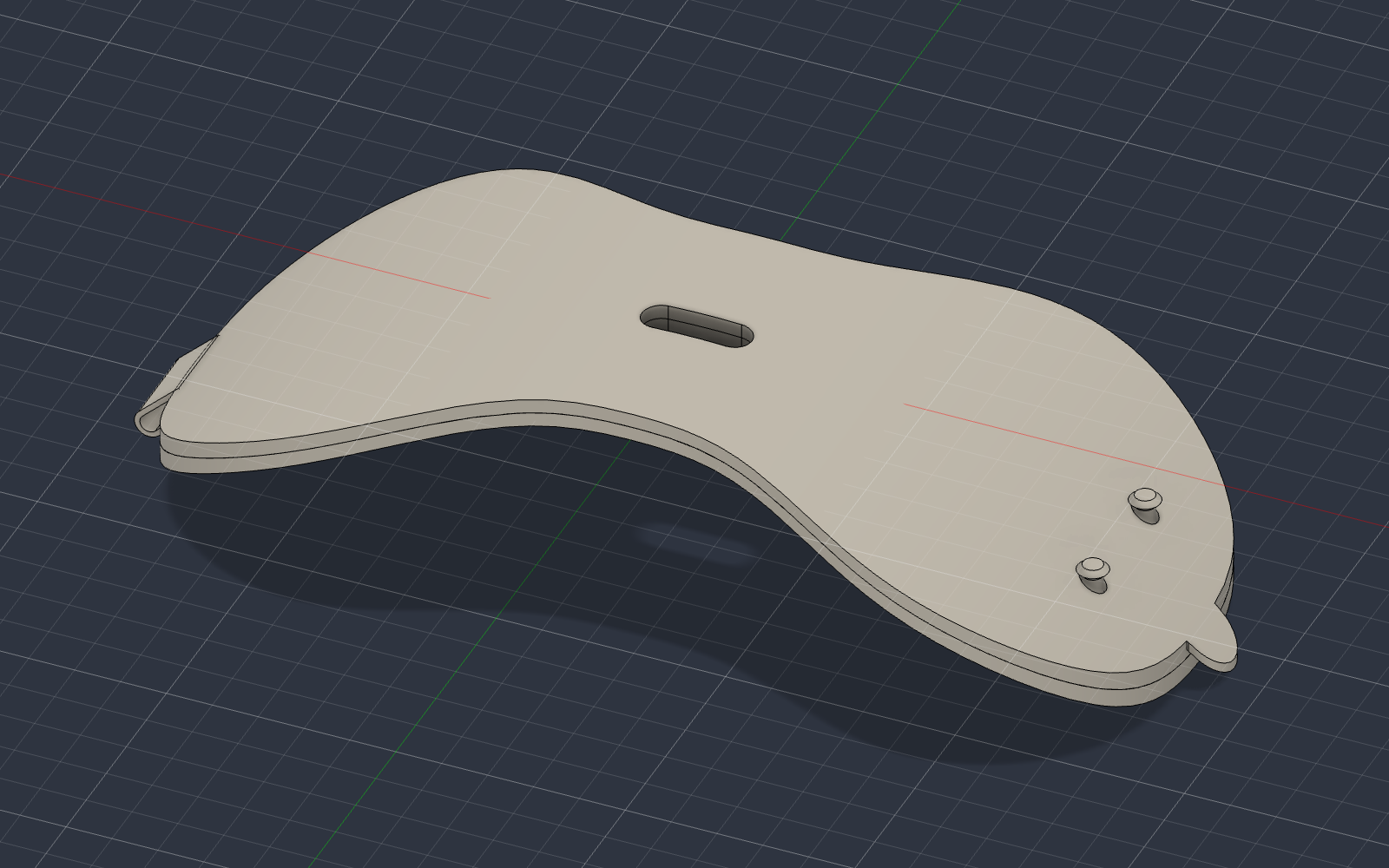
CPAP users already know the value of numbers: leak, pressure, hours of use. Zzip is being designed to add the part a CPAP report does not show directly, whether you breathe through your nose or your mouth through the night, so the conversation with your sleep team starts from real data. It is not a medical device and does not replace CPAP.
| Regular mouth tape | Zzip | |
|---|---|---|
| Keeps your mouth closed | ✓ | ✓ |
| Measures your breathing | — | ✓ |
| Detects snoring | — | ✓ |
| Responds to snoring | — | ✓ |
| Smart wake-up window | — | ✓ |
| Shows you the results | — | ✓ |
- Keeps your mouth closed, comfortablyA flexible silicone body with an integrated, skin-friendly adhesive, shaped around the mouth.
- Follows every breathA thermistor near the nose counts each breathing cycle directly from the warm and cool air of your breath.
- Hears snoring and respondsA microphone detects snoring; a gentle vibration is designed to encourage you to change position without waking you.
- Wakes you at a better momentA smart alarm looks for a suitable moment in the window before your alarm time.
- Your whole night on one screenOptical pulse and SpO₂ signals, movement and temperature come together in the Zzip app.
If you are curious about mouth taping, Zzip is worth following: it is the version that shows you whether it actually works for you.
Zzip is a prototype in development. Features and measurement performance are being tested. It is not a medical device and does not diagnose or treat sleep apnea or any other condition.
Frequently asked questions
Can you use mouth tape with a CPAP nasal mask?
Some people do, and small studies suggest closing the mouth can reduce leaks. Only try it after talking to your sleep doctor or CPAP provider, and only when your nose is clear.
Is mouth tape better than a chin strap for CPAP?
There is no good head-to-head evidence. A chin strap holds the jaw closed, tape seals the lips. Which suits you depends on your face, comfort and leak pattern, so ask your provider.
Can you use mouth tape with a full-face CPAP mask?
There is usually no reason to. A full-face mask already covers your mouth, so mouth breathing does not create the same leak. If you still have problems, talk to your provider about mask fit and settings.
Why do I wake up with a dry mouth on CPAP?
Common reasons are mouth leaks with a nasal mask, a poorly fitting mask or low humidity. Your machine’s leak data and a mask refit are good places to start.
Can mouth tape replace CPAP?
No. Mouth tape does not keep the airway open the way CPAP does. Do not stop or reduce CPAP use without your doctor.
Sources
- Bachour A, Maasilta P (2004). Mouth breathing compromises adherence to nasal continuous positive airway pressure therapy. Chest 126(4):1248-54.
- Bachour A, Hurmerinta K, Maasilta P (2004). Mouth closing device (chinstrap) reduces mouth leak during nasal CPAP. Sleep Medicine 5(3):261-7.
- Madeiro F. et al. (2019). Transmission of Oral Pressure Compromises Oronasal CPAP Efficacy in the Treatment of OSA. Chest 156(6):1187-1194.
- Rhee et al. (2025). Breaking social media fads and uncovering the safety and efficacy of mouth taping in patients with mouth breathing, sleep disordered breathing, or obstructive sleep apnea: A systematic review. PLOS One.
- Sleep Foundation. CPAP Machine Side Effects: Dry Mouth, Aerophagia, and More.
This article is for general information only and is not medical advice. If you have symptoms of a sleep or breathing disorder, talk to a qualified healthcare professional.