Can You Mouth Tape While Pregnant? What to Know First
Pregnancy changes how you breathe at night. A stuffy nose and new snoring are common, and mouth tape can look like a quick fix. But those same changes are the reasons to be cautious. Here is what to consider, and what to bring up with your midwife or doctor.
Can you mouth tape while pregnant?
There is no research on mouth taping during pregnancy. The 2025 systematic review of mouth taping in PLOS One found only 10 small studies in adults overall, none of them focused on pregnant women, and it highlighted the risk of mouth closure for anyone whose nose is blocked. The Sleep Foundation lists nasal congestion and untreated sleep apnea among the reasons to avoid taping.
Pregnancy makes both of those more likely. So the honest answer is: mouth tape while pregnant is not something to start on your own. If you are already using it and want to continue, talk to your doctor or midwife first.
Why your nose gets blocked in pregnancy
Pregnancy rhinitis is nasal congestion that starts during pregnancy without an infection or allergy and usually clears within about two weeks after birth. A 2025 review estimates it affects somewhere between about 9% and 39% of pregnant women, depending on how it is defined.
The likely causes are hormonal and circulatory: pregnancy hormones and the extra blood volume can make the lining of the nose swell. The review notes that the congestion is typically worse at night and when lying down, and that it often leads to mouth breathing and snoring.
That is exactly the situation where tape is a problem. If your nose can close up during the night, you need your mouth as a backup airway. Our guide to mouth tape with a stuffy nose explains this in more detail.
Snoring in pregnancy is worth mentioning to your doctor
Snoring often increases as pregnancy goes on. The same 2025 review cites data showing habitual snoring rising from roughly 7–11% in the first trimester to 16–25% in the third.
New snoring is not just a noise problem. In a 2012 study of 1,719 women in their third trimester, 25% had started snoring during pregnancy. Those women had higher odds of gestational hypertension and preeclampsia than non-snorers, even after accounting for other factors. Snoring that had been there before pregnancy did not show the same link. The study shows an association, not cause and effect, but it is a clear reason to tell your care team.
Mouth tape might make snoring quieter for some people, but it could also hide a sign your doctor would want to know about. More on how snoring differs in women in snoring in women.
Pregnancy and mouth tape: what changes
| What changes in pregnancy | Why it matters for mouth tape |
|---|---|
| Nose swells and blocks more easily | Tape removes the mouth as a backup airway |
| Congestion is worse lying down at night | A clear nose at bedtime may not stay clear |
| Snoring becomes more common | New snoring should be reported, not hidden |
| Nausea and reflux are common for many | Taping is not advised if you might vomit |
| No research on taping in pregnancy | There is no safety data to rely on |
Safer ways to breathe better at night
The 2025 pregnancy rhinitis review lists drug-free first steps that you can ask your midwife or doctor about:
- Saline rinses or sprays. Plain saline is the first-line option the review recommends.
- Nasal strips. Drug-free strips that lift the sides of the nose can help night-time breathing. See mouth tape vs nasal strips.
- Raising your head. Sleeping a little more upright, with an extra pillow or a wedge, may improve airflow.
- Humidified air to reduce irritation in the nose.
- Avoiding smoke, including second-hand smoke.
Do not start any decongestant spray, steroid spray or antihistamine without checking with your doctor or pharmacist. Some are considered safer in pregnancy than others, and some decongestant sprays cause rebound congestion if used for more than a few days.
When to talk to your doctor or midwife
- You have started snoring loudly since becoming pregnant;
- Your partner notices pauses in your breathing, gasping or choking;
- You feel very sleepy during the day;
- You have headaches, swelling or blood pressure readings that worry you;
- Your nose is blocked most nights and it affects your sleep.
Your care team can check your blood pressure and decide whether you need a sleep assessment. The signs of sleep apnea are covered in sleep apnea symptoms.
Not just tape.
A mouth band that understands your night.
Pregnancy is a time when small changes in your nights can matter. Zzip is still a prototype in development and is not a medical device, so it is not something to rely on during pregnancy. In the future it is designed to help people notice snoring and breathing patterns that are worth raising with a doctor.
| Regular mouth tape | Zzip | |
|---|---|---|
| Keeps your mouth closed | ✓ | ✓ |
| Measures your breathing | — | ✓ |
| Detects snoring | — | ✓ |
| Responds to snoring | — | ✓ |
| Smart wake-up window | — | ✓ |
| Shows you the results | — | ✓ |
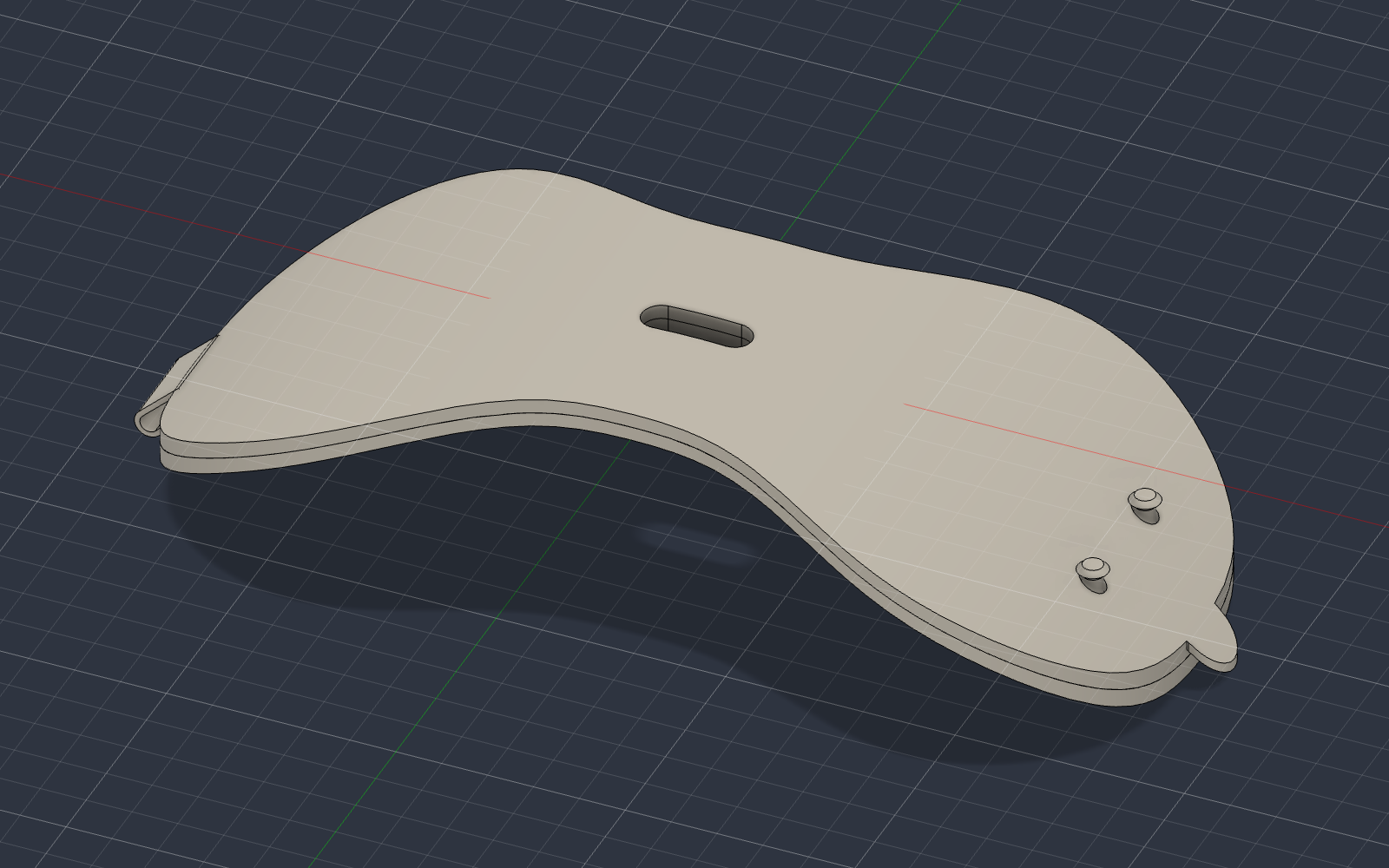
- Keeps your mouth closed, comfortablyA flexible silicone body with an integrated, skin-friendly adhesive, shaped around the mouth.
- Follows every breathA thermistor near the nose counts each breathing cycle directly from the warm and cool air of your breath.
- Hears snoring and respondsA microphone detects snoring; a gentle vibration is designed to encourage you to change position without waking you.
- Wakes you at a better momentA smart alarm looks for a suitable moment in the window before your alarm time.
- Your whole night on one screenOptical pulse and SpO₂ signals, movement and temperature come together in the Zzip app.
If you are curious about mouth taping, Zzip is worth following: it is the version that shows you whether it actually works for you.
Zzip is a prototype in development. Features and measurement performance are being tested. It is not a medical device and does not diagnose or treat sleep apnea or any other condition.
Frequently asked questions
Is it safe to mouth tape while pregnant?
It has not been studied, and pregnancy often causes a blocked nose, which is the main risk with mouth tape. Talk to your doctor or midwife before using it.
Why do I snore so much while pregnant?
Pregnancy hormones and extra blood volume can make the inside of the nose swell, which pushes many people toward mouth breathing and snoring. New snoring in pregnancy is worth telling your care team about.
Can mouth tape help pregnancy rhinitis?
No. Mouth tape does not open the nose. With a congested nose, it can make breathing harder. Saline rinses, nasal strips and raising your head are the usual first steps.
Is snoring during pregnancy dangerous?
Not always, but a large 2012 study linked snoring that starts during pregnancy with higher odds of gestational hypertension and preeclampsia. Mention it to your doctor or midwife.
Can I use nasal strips while pregnant?
Nasal strips are drug-free and a 2025 review lists them among the options for pregnancy congestion. Check with your care team if you have any doubts.
Sources
- Dumitru CS. et al. (2025). Pregnancy Rhinitis: Pathophysiological Mechanisms, Diagnostic Challenges, and Management Strategies. A Narrative Review. Life (Basel) 15(8):1166.
- O’Brien LM. et al. (2012). Pregnancy-onset habitual snoring, gestational hypertension, and preeclampsia: prospective cohort study. American Journal of Obstetrics and Gynecology 207(6).
- Rhee et al. (2025). Breaking social media fads and uncovering the safety and efficacy of mouth taping in patients with mouth breathing, sleep disordered breathing, or obstructive sleep apnea: A systematic review. PLOS One.
- Sleep Foundation. Mouth Taping for Sleep: Does It Work?
This article is for general information only and is not medical advice. If you have symptoms of a sleep or breathing disorder, talk to a qualified healthcare professional.