Can You Mouth Tape with a Deviated Septum? Risks and Better Options
Up to 80% of people have a septum that is at least a little off-centre, and most never notice. But if yours makes nasal breathing hard, taping your mouth shut at night takes away your backup airway. Here is how to tell where you stand.
What a deviated septum is
The septum is the wall of bone and cartilage that splits your nose into two sides. When it leans to one side, it is called deviated. According to the American Academy of Otolaryngology, as many as 80% of people have a septum that is off-centre, often without any symptoms. It can come from an injury, but many people with a deviated septum have never broken their nose.
When the deviation is large enough, it narrows one or both nasal passages. ENT Health lists difficulty breathing through one or both nostrils, nosebleeds and sinus infections, and notes that adults with a significant blockage may breathe through the mouth during sleep.
Can you mouth tape with a deviated septum?
It depends on how much air gets through your nose, not on the word “deviated”. The logic is simple:
- Mouth tape makes your nose your only airway for the night.
- A narrowing septum reduces how much air the nose can carry, and lying down, a cold or allergies can narrow it further.
- Together, that leaves very little margin. A 2025 systematic review flagged the risk of mouth closure in people with nasal obstruction as potentially serious, and noted that most mouth-taping studies excluded people with blocked noses, so there is little safety data for them.
So mouth tape with a deviated septum is only worth considering if a doctor has confirmed that your nasal airflow is adequate, and you can breathe through your nose comfortably and steadily. If you have any doubt, skip it.
A simple nose check before you consider tape
This is not a diagnosis, just a way to notice how your nose behaves. Do it while awake, sitting relaxed:
- Close your mouth and breathe only through your nose for three to five minutes at a calm pace. Note whether you feel any urge to open your mouth.
- Try each side. Gently press one nostril closed and breathe through the other for a few breaths, then switch. Note if one side is much harder.
- Lie down on your back and then on your side and repeat the closed-mouth breathing for a couple of minutes.
- Repeat at night on several days, including when you have a mild cold or allergy symptoms.
| What you notice | What it suggests |
|---|---|
| Easy, quiet nasal breathing in every position | Your septum may not be limiting airflow much; mouth tape may be an option with the usual precautions |
| One side clearly harder, but you are comfortable overall | Get an ENT opinion before taping |
| You need to open your mouth within a few minutes | Do not tape; your nose is not supplying enough air |
| Worse lying down or at night | Do not tape; the nose may close further while you sleep |
| Frequent nosebleeds or sinus infections | See a doctor; these can be related to the septum |
What an ENT specialist can do
A primary care doctor or ENT will look inside your nose and may order further tests. Depending on what they find, options include:
- Treating swelling inside the nose, for example from allergies or enlarged turbinates, often with medication;
- Septoplasty, the surgery to straighten the septum, usually done through the nostrils and often as an outpatient procedure. ENT Health describes it as the preferred surgical treatment when symptoms are significant and medical treatment has not helped;
- Checking for sleep problems if you snore loudly or feel tired during the day. ENT Health notes that forced mouth breathing at night can worsen sleep disorders.
Cleveland Clinic lists septoplasty and turbinate reduction among the treatments for mouth breathing caused by nasal obstruction, because the goal is to open the nose, not to close the mouth.
Options that work on the nose instead
If your septum narrows your airway, tools that open the nose make more sense than tools that close the mouth. External nasal strips and internal dilators widen the nostrils. A 2016 review found nasal dilators may help snoring in some people, though they did not meaningfully improve sleep apnea. Our guide to mouth tape vs nasal strips compares the two.
Other things to try: managing allergies, keeping the bedroom air from getting too dry, and sleeping on your side or with your head slightly raised. See stuffy nose at night for more.
When not to tape, deviated septum or not
- your nose is congested from a cold, allergies or sinus trouble. See mouth tape with a stuffy nose;
- you have had alcohol, sedatives or sleeping pills;
- you snore loudly, gasp or stop breathing during sleep, or feel very sleepy in the day;
- you feel nauseous or anxious with your mouth closed.
For the general safety picture, read is mouth taping safe.
Not just tape.
A mouth band that understands your night.
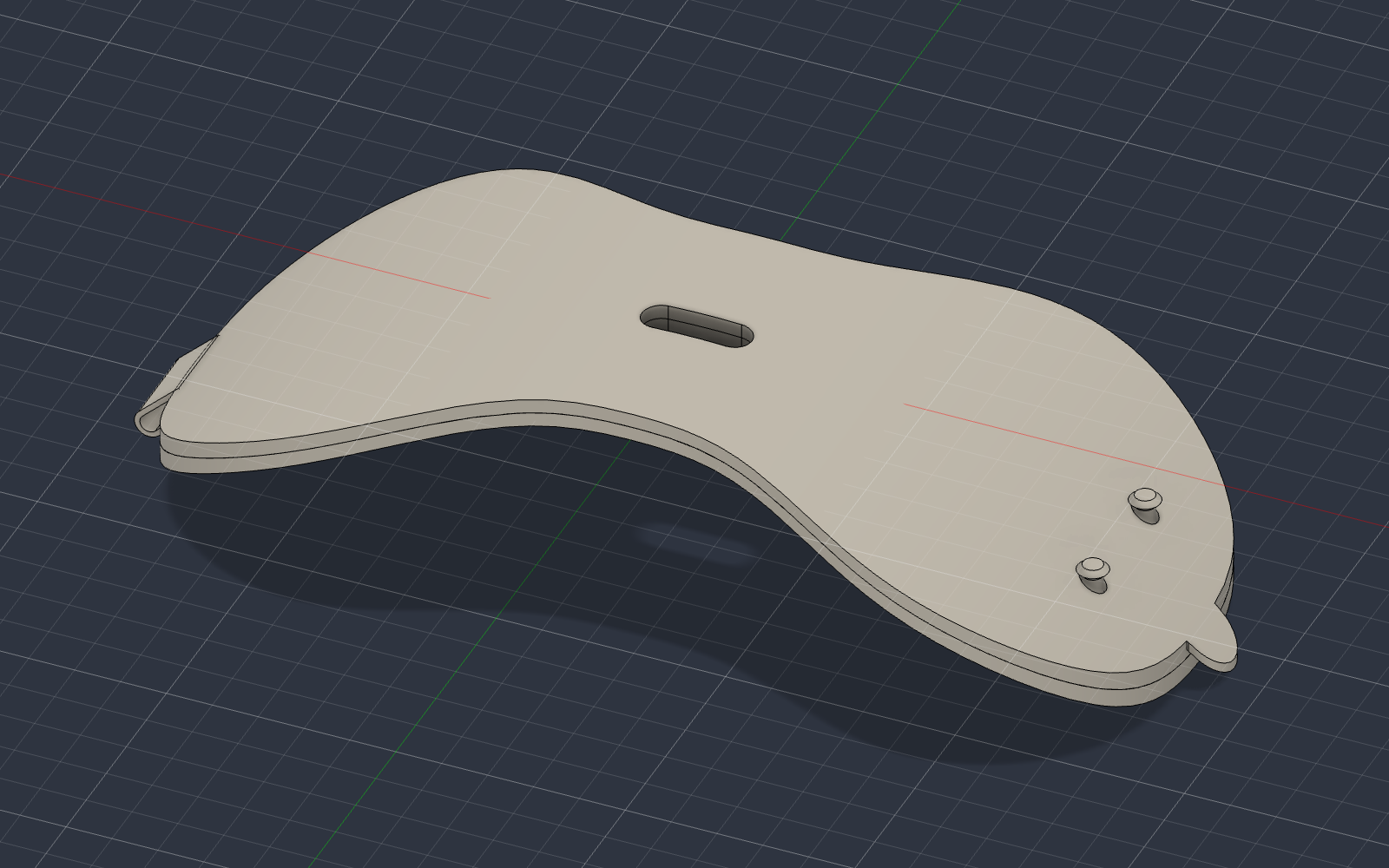
With a deviated septum, the real question is how well your nose copes through the whole night, not just at bedtime. Zzip is being designed with a thermistor near the nose to follow each breath and to show how much of the night you breathe through your nose, data you could bring to an ENT. It is not a medical device and does not diagnose anything.
| Regular mouth tape | Zzip | |
|---|---|---|
| Keeps your mouth closed | ✓ | ✓ |
| Measures your breathing | — | ✓ |
| Detects snoring | — | ✓ |
| Responds to snoring | — | ✓ |
| Smart wake-up window | — | ✓ |
| Shows you the results | — | ✓ |
- Keeps your mouth closed, comfortablyA flexible silicone body with an integrated, skin-friendly adhesive, shaped around the mouth.
- Follows every breathA thermistor near the nose counts each breathing cycle directly from the warm and cool air of your breath.
- Hears snoring and respondsA microphone detects snoring; a gentle vibration is designed to encourage you to change position without waking you.
- Wakes you at a better momentA smart alarm looks for a suitable moment in the window before your alarm time.
- Your whole night on one screenOptical pulse and SpO₂ signals, movement and temperature come together in the Zzip app.
If you are curious about mouth taping, Zzip is worth following: it is the version that shows you whether it actually works for you.
Zzip is a prototype in development. Features and measurement performance are being tested. It is not a medical device and does not diagnose or treat sleep apnea or any other condition.
Frequently asked questions
Is mouth taping safe with a deviated septum?
Not if the deviation makes nasal breathing difficult. If you have a mild deviation with no symptoms and easy nasal breathing, talk to a doctor before trying it.
Does a deviated septum cause mouth breathing at night?
It can. A significant deviation can narrow the nasal airway enough that you breathe through your mouth while asleep.
Can mouth taping fix a deviated septum?
No. Tape does not change the shape of the septum or open the nose. It only closes the mouth, which can make breathing harder if the nose is narrow.
Can I mouth tape after septoplasty?
Ask your surgeon. Your nose is usually swollen during recovery, so do not tape until your ENT confirms you can breathe freely through it.
How do I know if my deviated septum is bad enough to need treatment?
If you often struggle to breathe through one or both sides, get frequent sinus infections or nosebleeds, or breathe through your mouth at night, see an ENT specialist.
Sources
- American Academy of Otolaryngology–Head and Neck Surgery Foundation. Deviated Septum. ENT Health.
- Sleep Foundation. Mouth Taping for Sleep: Does It Work?
- Rhee et al. (2025). Breaking social media fads and uncovering the safety and efficacy of mouth taping in patients with mouth breathing, sleep disordered breathing, or obstructive sleep apnea: A systematic review. PLOS One.
- Cleveland Clinic. Mouth Breathing: Symptoms, Complications & Treatment.
- Camacho M. et al. (2016). Nasal Dilators (Breathe Right Strips and NoZovent) for Snoring and OSA: A Systematic Review and Meta-Analysis. Pulmonary Medicine.
This article is for general information only and is not medical advice. If you have symptoms of a sleep or breathing disorder, talk to a qualified healthcare professional.