Is Mouth Taping Safe? The Real Risks and Who Should Avoid It
Mouth taping looks harmless: a small strip of tape, a closed mouth, a quieter night. For many healthy adults it probably is low risk. For some people it is a bad idea. Here is where the line sits, and how to check which side of it you are on.
Is mouth taping safe? The short version
There is no large safety trial of mouth taping. What exists is a handful of small studies, most of which excluded people with nasal obstruction, plus the experience of sleep doctors. Put together, the picture is fairly clear: mouth taping is safe enough for some people and genuinely risky for others, and the difference is almost entirely about your airway.
Cleveland Clinic’s sleep specialists don’t recommend it as a treatment for snoring or sleep apnea, and warn it can do more harm than good in people who snore heavily. The Sleep Foundation notes that there are no official guidelines and that the risks of using it without medical advice are unknown. That is the honest baseline: low risk is not the same as proven safe.
The main risk: your nose becomes your only airway
When your mouth is taped, your nose is the only way in for air. That is the point of the tape, and also the danger. If your nose blocks during the night from a cold, allergies, a deviated septum or simply lying down, your body can’t switch to the mouth the way it normally would.
The 2025 systematic review in PLOS One looked at 10 studies and found that four of them explicitly discussed risks, including asphyxiation in people with nasal obstruction and regurgitation. Because most studies screened out people with blocked noses, their reassuring results may not apply to them.
A 2024 study in JAMA Otolaryngology adds another twist. Researchers closed the mouths of 54 people with obstructive sleep apnea during sedated sleep and measured airflow. On average, airflow improved. But in the heaviest mouth breathers it got worse, especially when the airway behind the soft palate was blocked. For them, breathing through the mouth was a workaround, not a bad habit. Taping removes the workaround.
Who should not tape their mouth
These groups come up again and again in guidance from Cleveland Clinic, the Sleep Foundation and Houston Methodist:
| Situation | Why it matters | What to do instead |
|---|---|---|
| Blocked or stuffy nose, colds, allergies, sinus problems | No backup airway if the nose closes | Skip that night; treat the congestion |
| Deviated septum, polyps, large tonsils | Nasal airflow may be too limited | See an ENT specialist first |
| Loud snoring, gasping, breathing pauses, daytime sleepiness | Possible sleep apnea; tape can hide it | Ask about a sleep study |
| Heart or lung conditions, including asthma or COPD | Less reserve if breathing is restricted | Only with your doctor’s approval |
| Reflux, nausea or risk of vomiting | A taped mouth is a problem if you need to clear it fast | Don’t tape |
| After alcohol, sleeping pills or sedatives | Deeper sedation, slower reactions | Don’t tape that night |
| Anxiety, panic or claustrophobia | Tape can trigger panic | Try awake first or skip it |
| Children | Not studied; mouth breathing often has a medical cause | Talk to a pediatrician |
If one of these rows describes you, the more detailed guides on mouth tape with a stuffy nose and mouth tape and sleep apnea go further.
Is mouth taping dangerous if you might have sleep apnea?
This is the risk people underestimate. Snoring and mouth breathing are common signs of obstructive sleep apnea. If tape makes the snoring quieter, it can feel like a fix while the underlying problem continues. Experts quoted by the Sleep Foundation warn that mouth tape may delay people from getting proper treatment.
The small studies that found benefits involved people with mild sleep apnea who had already been tested. The authors of the best known of them advised against taping in moderate to severe cases. If you have never been tested and you snore loudly most nights, get checked before you experiment.
The smaller risks
Most people who stop mouth taping do so for less dramatic reasons: red or itchy skin around the lips, breakouts from trapped moisture, sore lips when pulling the tape off, broken sleep, or a wave of anxiety at 3 a.m. These are real but manageable. We cover each one, and how to reduce it, in mouth tape side effects.
A safety checklist before your first night
- Do the nose test. Close your mouth and breathe only through your nose for a few minutes while relaxed. If that is hard, don’t tape.
- Rule out red flags. No loud nightly snoring with gasping, no witnessed pauses, no strong daytime sleepiness. If any apply, see a doctor first.
- Use tape made for skin. Porous, hypoallergenic tape or a purpose-made mouth strip; never household tape.
- Leave an exit. Fold over a corner, or use a vertical strip that leaves the corners of your mouth free, so you can open your mouth instantly.
- Practise awake. Wear it for 15 to 20 minutes while reading before you sleep in it.
- Check the night. No alcohol, sedatives, cold or blocked nose.
The step-by-step version is in our guide on how to mouth tape.
Warning signs: when to stop
- You wake up gasping, choking or with a racing heart;
- You find the tape torn off or your cheeks puffing against it;
- You feel panicky or claustrophobic with it on;
- Your partner notices breathing pauses or very loud snoring;
- You wake with headaches or feel more tired than before.
Any of these is a reason to stop and talk to a healthcare professional, not to push through.
Not just tape.
A mouth band that understands your night.
The scariest part of mouth taping is that you can’t see what happens once you fall asleep. Zzip is being designed to measure your breathing, snoring and SpO₂ through the night, so you’re not guessing whether the tape is helping or quietly making things harder.
| Regular mouth tape | Zzip | |
|---|---|---|
| Keeps your mouth closed | ✓ | ✓ |
| Measures your breathing | — | ✓ |
| Detects snoring | — | ✓ |
| Responds to snoring | — | ✓ |
| Smart wake-up window | — | ✓ |
| Shows you the results | — | ✓ |
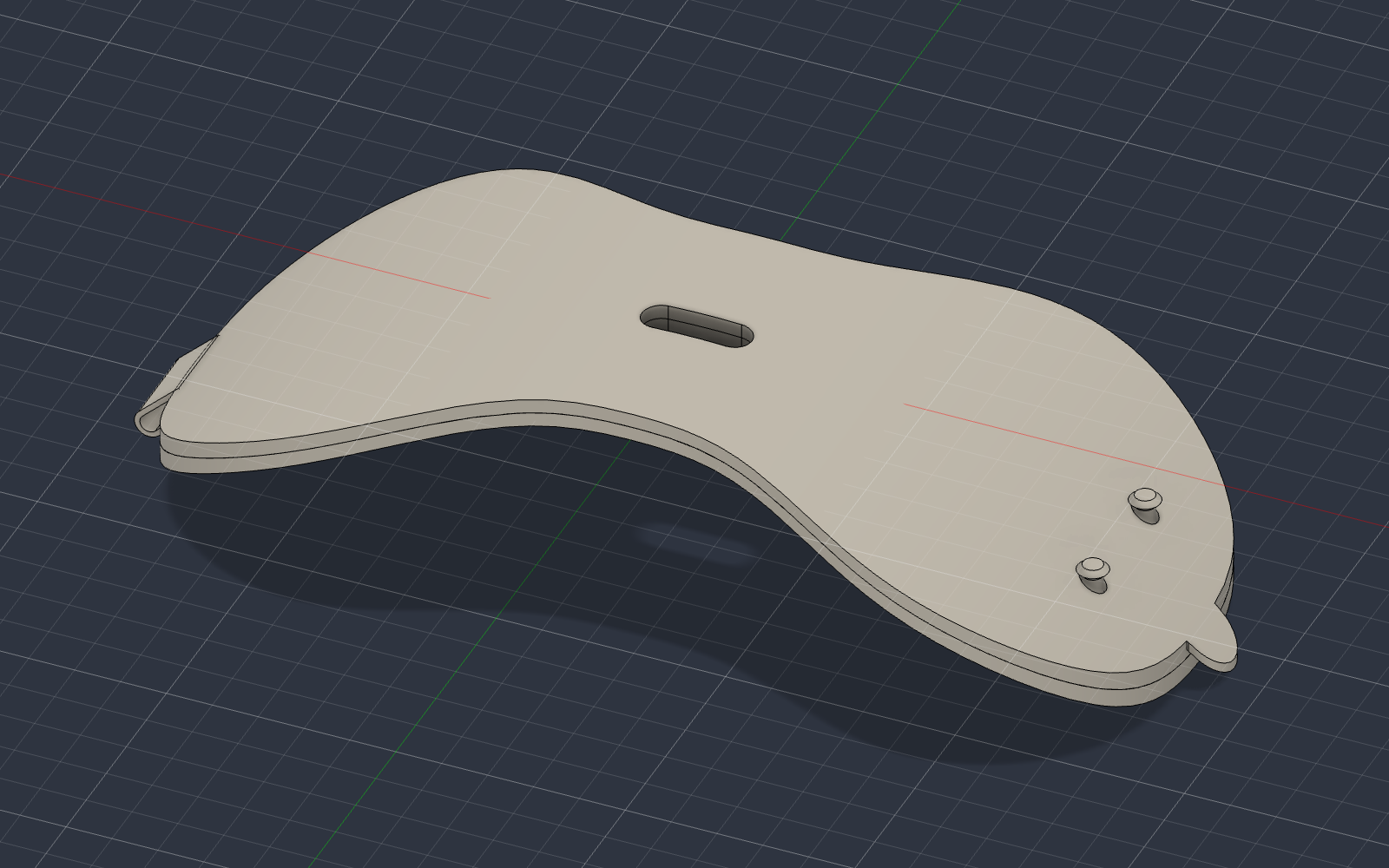
- Keeps your mouth closed, comfortablyA flexible silicone body with an integrated, skin-friendly adhesive, shaped around the mouth.
- Follows every breathA thermistor near the nose counts each breathing cycle directly from the warm and cool air of your breath.
- Hears snoring and respondsA microphone detects snoring; a gentle vibration is designed to encourage you to change position without waking you.
- Wakes you at a better momentA smart alarm looks for a suitable moment in the window before your alarm time.
- Your whole night on one screenOptical pulse and SpO₂ signals, movement and temperature come together in the Zzip app.
If you are curious about mouth taping, Zzip is worth following: it is the version that shows you whether it actually works for you.
Zzip is a prototype in development. Features and measurement performance are being tested. It is not a medical device and does not diagnose or treat sleep apnea or any other condition.
Frequently asked questions
Is mouth taping dangerous?
For a healthy adult with a clear nose it is generally considered low risk. It becomes dangerous when the nose is blocked or when someone has untreated sleep apnea, because the mouth can’t act as a backup airway.
Can mouth taping kill you?
There are no large studies counting serious harm. Sleep specialists warn that restricted breathing can become dangerous in people with nasal blockage, and a 2025 review found several studies flagging a risk of asphyxiation. That is why a blocked nose is an absolute no.
Is it safe to mouth tape every night?
Some people do it nightly without problems, but there is no long-term safety research. Check your nose every night, skip nights when you are congested, and watch your skin.
What happens if my nose gets blocked while my mouth is taped?
Most people wake up and pull the tape off, which is why easy removal matters. People who are heavily sedated, drunk or very sleepy may react slower, so never tape on those nights.
Is mouth taping safe for kids?
It hasn’t been studied in children and isn’t recommended without a doctor. A child who breathes through the mouth often has a cause, such as large adenoids, that needs attention.
Sources
- Rhee et al. (2025). Mouth taping in patients with mouth breathing, sleep disordered breathing, or obstructive sleep apnea: A systematic review. PLOS One.
- Yang H, Huyett P, Wang TY, et al. (2024). Mouth Closure and Airflow in Patients With Obstructive Sleep Apnea: A Nonrandomized Clinical Trial. JAMA Otolaryngology–Head & Neck Surgery.
- Cleveland Clinic (2025). Is Mouth Tape Safe To Use While Sleeping? Health Essentials.
- Sleep Foundation (2026). Mouth Taping for Sleep: Does It Work?
- Houston Methodist (2025). Can Mouth Tape During Sleep Be Dangerous? On Health.
This article is for general information only and is not medical advice. If you have symptoms of a sleep or breathing disorder, talk to a qualified healthcare professional.