Mouth Tape for Snoring: Does It Stop Snoring, and for Whom?
Mouth tape can make some snorers noticeably quieter and do nothing at all for others. The difference is where the snoring comes from. Here is how to work out your type at home before you buy a single strip.
Why snoring type matters
Snoring is the sound of tissue vibrating as air squeezes through a narrowed airway. The NHS describes it as the tongue, mouth, throat or nasal airways relaxing and vibrating during sleep. Where that narrowing happens changes what can fix it. The NHS itself matches devices to causes: something to hold the nose open when the nose is narrow, a device that moves the jaw forward when the tongue blocks the throat, and something that keeps the mouth closed when the mouth falls open.
Mouth tape for snoring belongs in that last group. It doesn’t widen your nose or move your tongue. It only stops the mouth from dropping open. So the first question isn’t “does mouth tape work?” but “is my mouth part of the problem?”
Does mouth tape stop snoring? What the studies show
Two small studies tested mouth closure in people whose snoring went with mouth breathing:
- In 2015, 30 mouth breathers with mild sleep apnea used a porous patch over the lips. Their median snoring index fell from 146.7 to 40.0 per hour, and snoring got quieter, from about 49 to 41 decibels.
- In 2022, 20 mouth breathers with mild sleep apnea used silicone tape. Their snoring index fell by about 47%, and 13 of the 20 at least halved their snoring.
A 2025 systematic review counted three studies with significant drops in snoring, but rated the evidence as poor quality: small groups, no control groups, short follow-up. And a 2024 study found that in the heaviest mouth breathers with a blocked airway behind the soft palate, closing the mouth reduced airflow. For them, the open mouth was a workaround. The broader research is covered in does mouth tape work.
Mouth, nose or throat? Four checks you can do tonight
These are informal self-checks, not a diagnosis, but they give a useful first hint.
1. The mouth check
Open your mouth and make a snoring sound. Now close your mouth and try to make the same sound. If you can only snore with your mouth open, open-mouth breathing is likely part of your snoring, and mouth tape may help.
2. The nose check
With your mouth closed, press one nostril shut and breathe in through the other. Then swap. If a nostril collapses inward, feels blocked or you struggle for air, your nose may be the starting point. Tape is a bad idea until the nose is sorted.
3. The tongue check
Stick your tongue out slightly, hold it gently between your teeth and try to snore. If the sound is much quieter this way, your tongue falling back may be involved. That is the kind of snoring jaw-advancing mouthpieces target.
4. The position check
Ask a partner or use a recording app: do you snore mostly on your back, and is your mouth open when you do? Back-only snoring often responds to side sleeping.
Which snoring does mouth tape help?
| Snoring type | Typical clues | Mouth tape? | Better first step |
|---|---|---|---|
| Open-mouth snoring | Only snores with mouth open, dry mouth on waking | Most likely to help | Careful trial with skin-safe tape |
| Nasal snoring | Blocked or collapsing nostrils, worse with allergies | No, and risky | Treat congestion, nasal strips or dilators |
| Tongue-based snoring | Quieter with tongue held forward | Unlikely | Side sleeping, mouthpiece from a dentist |
| Positional snoring | Mostly on the back | Possibly a little | Side sleeping |
| Possible sleep apnea | Gasping, pauses, daytime sleepiness | No | See a doctor, sleep study |
Many people are a mix: a slightly stuffy nose, back sleeping and an open mouth all at once. In that case, fix the nose first. If you are weighing tape against strips, see mouth tape vs nasal strips.
When mouth tape for snoring is a bad idea
The most important rule: snoring that comes with gasping, choking, breathing pauses someone else has noticed or strong daytime sleepiness needs a medical check. The NHS lists these as reasons to see a GP because they can point to sleep apnea. Tape can make the snoring quieter while the underlying problem carries on, which is the worst of both worlds. Our guide to snoring vs sleep apnea explains the differences.
Also skip tape when your nose is blocked, after alcohol or sleeping pills, and if you feel anxious with your mouth covered.
How to run a fair snoring test
- Record three to five nights without tape to get your baseline.
- Do the same number of nights with tape, keeping alcohol, bedtime and pillow the same.
- Compare how much of the night you snored and how loud it was, not just how you feel.
- If there is no clear difference after one to two weeks, your snoring probably isn’t mouth-driven.
For snoring remedies beyond tape, start with how to stop snoring.
Not just tape.
A mouth band that understands your night.
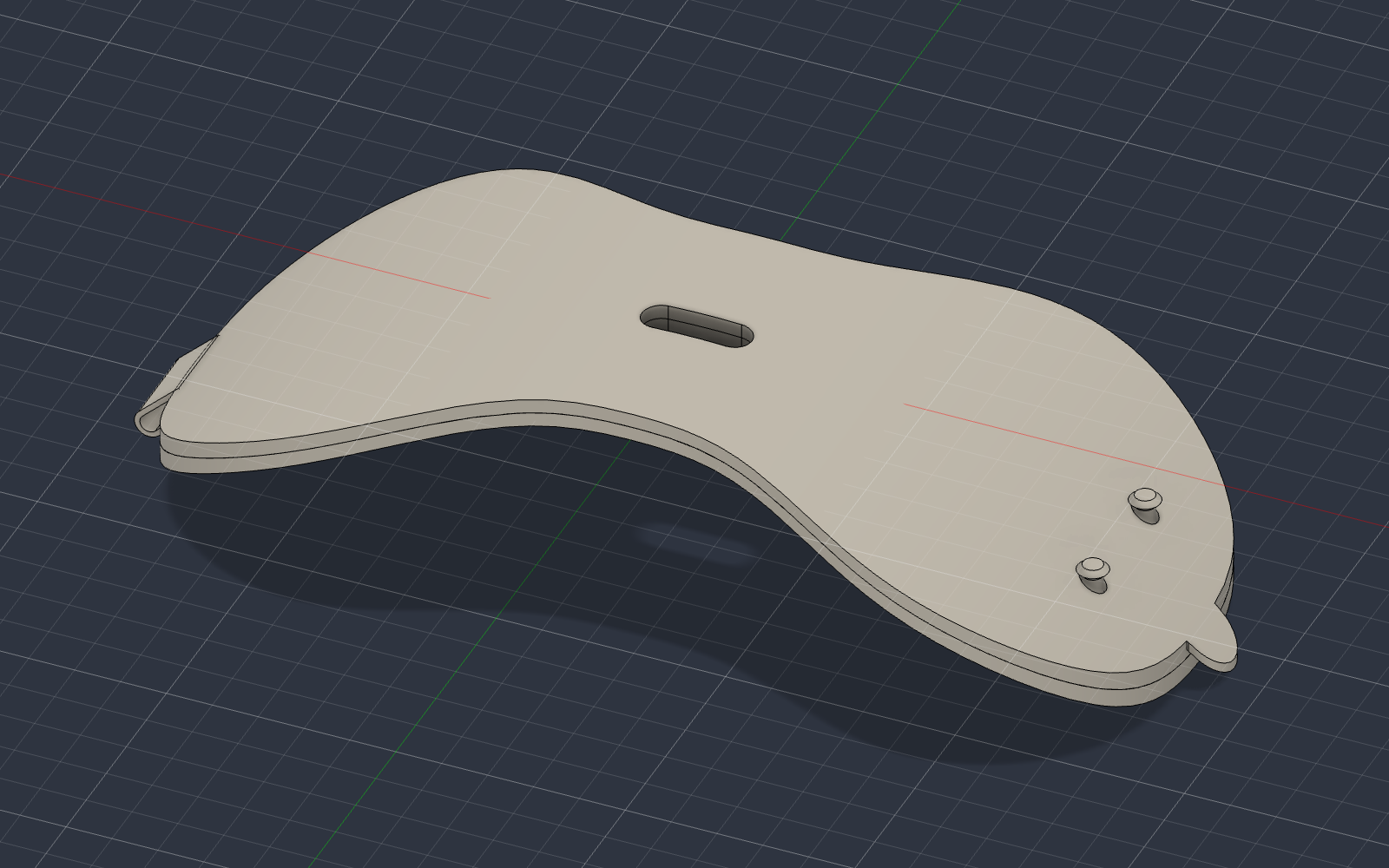
You can’t hear your own snoring, so you can’t tell whether tape changed it. Zzip is designed to detect snoring, show whether you were breathing through your nose or mouth at the time, and respond with a gentle vibration to encourage a change of position.
| Regular mouth tape | Zzip | |
|---|---|---|
| Keeps your mouth closed | ✓ | ✓ |
| Measures your breathing | — | ✓ |
| Detects snoring | — | ✓ |
| Responds to snoring | — | ✓ |
| Smart wake-up window | — | ✓ |
| Shows you the results | — | ✓ |
- Keeps your mouth closed, comfortablyA flexible silicone body with an integrated, skin-friendly adhesive, shaped around the mouth.
- Follows every breathA thermistor near the nose counts each breathing cycle directly from the warm and cool air of your breath.
- Hears snoring and respondsA microphone detects snoring; a gentle vibration is designed to encourage you to change position without waking you.
- Wakes you at a better momentA smart alarm looks for a suitable moment in the window before your alarm time.
- Your whole night on one screenOptical pulse and SpO₂ signals, movement and temperature come together in the Zzip app.
If you are curious about mouth taping, Zzip is worth following: it is the version that shows you whether it actually works for you.
Zzip is a prototype in development. Features and measurement performance are being tested. It is not a medical device and does not diagnose or treat sleep apnea or any other condition.
Frequently asked questions
Does mouth tape stop snoring?
It can reduce snoring in people who snore because their mouth falls open. It won’t help much with snoring from the nose or tongue, and it is not a treatment for sleep apnea.
Do snoring mouth strips work?
For open-mouth snorers, small studies found snoring roughly halved or better. Results vary a lot from person to person, so test it over a week or two with a recording.
Can you still snore with your mouth taped?
Yes. Snoring can come from the nose, soft palate or tongue with the mouth closed. If you still snore loudly with tape, your snoring has another source.
Is mouth tape or a nasal strip better for snoring?
It depends on where the snoring starts. Nasal strips suit a narrow or stuffy nose; mouth tape suits an open mouth with a clear nose.
Should I see a doctor about snoring before trying mouth tape?
Yes, if you snore loudly most nights, gasp or stop breathing during sleep, or feel very sleepy in the day. These can be signs of sleep apnea.
Sources
- NHS. Snoring.
- Huang TW, Young TH (2015). Novel porous oral patches for patients with mild obstructive sleep apnea and mouth breathing: a pilot study. Otolaryngology–Head and Neck Surgery 152(2):369-73.
- Lee YC, Lu CT, Cheng WN, Li HY (2022). The Impact of Mouth-Taping in Mouth-Breathers with Mild Obstructive Sleep Apnea: A Preliminary Study. Healthcare (Basel) 10(9):1755.
- Rhee et al. (2025). Mouth taping in patients with mouth breathing, sleep disordered breathing, or obstructive sleep apnea: A systematic review. PLOS One.
- Yang H, Huyett P, Wang TY, et al. (2024). Mouth Closure and Airflow in Patients With Obstructive Sleep Apnea: A Nonrandomized Clinical Trial. JAMA Otolaryngology–Head & Neck Surgery.
This article is for general information only and is not medical advice. If you have symptoms of a sleep or breathing disorder, talk to a qualified healthcare professional.