How to Stop Snoring: 10 Evidence-Based Tips That Actually Help
Snoring is common, but it is not always harmless, and it is rarely fun for the person sleeping next to you. These are the snoring remedies with the best support, from simple habits to anti-snoring devices, and the signs that mean you should talk to a doctor.
Why do people snore?
Snoring is the sound of soft tissue in the throat vibrating as air passes through a narrowed airway. During sleep the muscles of the throat, tongue and soft palate relax. If the airway narrows enough, breathing becomes turbulent and noisy. It is extremely common: the Sleep Foundation cites figures of 44% of middle-aged men and 28% of middle-aged women snoring regularly.
Common contributors include sleeping on your back, alcohol, a blocked or narrow nose, mouth breathing while sleeping, excess weight around the neck, smoking and the natural loss of muscle tone with age.
How to stop snoring: 10 tips
1. Sleep on your side
Snoring tends to be worse on your back, when gravity pulls the jaw and tongue backward. Side sleeping is one of the simplest changes to try. A body pillow, or a positional device or alarm, can help you stay there.
2. Raise the head of your bed
Slightly elevating your head and upper body with a wedge pillow or bed risers may help keep the airway open. Stacking regular pillows usually just bends the neck.
3. Skip alcohol before bed
Alcohol relaxes the muscles of the upper airway. Try to stop drinking several hours before sleep, and notice whether your snoring changes.
4. Treat nasal congestion
A blocked nose pushes you to breathe through your mouth. Saline rinses, a humidifier and, for allergies, appropriate nasal sprays recommended by a pharmacist or doctor can make nasal breathing easier.
5. Try nasal strips or dilators
External nasal strips (nose tape for snoring) lift the sides of the nose; internal dilators sit inside the nostrils. A 2016 meta-analysis found they may reduce snoring in some people, but they were not an effective treatment for sleep apnea. They are most useful when the problem starts in the nose.
6. Mouth tape for snoring, if you are a mouth breather
If you snore because your mouth falls open, keeping it closed may help. A small 2022 study found mouth tape reduced snoring in mouth breathers with mild sleep apnea, but a 2025 systematic review concluded that the evidence does not support it as a clinical treatment. Only use purpose-made tape, and never with a blocked nose. Read the full mouth tape for sleeping guide.
7. Do mouth and throat exercises
Oropharyngeal exercises, also called myofunctional therapy, strengthen the tongue, soft palate and throat. A meta-analysis found these exercises reduced snoring in adults. They take daily practice over weeks, but they are free and low risk.
8. Lose weight if you need to
Extra weight around the neck can narrow the airway. There is limited research on weight loss for simple snoring, but it clearly helps sleep apnea, and even a modest loss may make a difference.
9. Stop smoking
Smoking irritates the airway and is associated with more snoring. Quitting may help, and it protects children in the house too: second-hand smoke is linked to snoring in children.
10. Consider an anti-snoring mouthpiece
Mandibular advancement devices move the lower jaw slightly forward to open the throat. Research supports their effectiveness for snoring. Side effects can include jaw discomfort, tooth pain and, over time, changes in bite, so a dentist-fitted device is the safer route. Tongue-retaining devices are another option with less data.
Anti-snoring devices compared
- Nasal strips and dilators: cheap and easy; help snoring that starts in the nose.
- Mouth tape: for mouth breathers with a clear nose; limited evidence.
- Chin straps: hold the jaw closed; little quality research.
- Mouthpieces (MAD): strongest evidence among devices; best fitted by a dentist.
- CPAP: the standard treatment when snoring is caused by sleep apnea.
When snoring needs a doctor
Snoring can be a sign of obstructive sleep apnea, where breathing repeatedly stops or becomes shallow during sleep. See a doctor if you notice:
- loud snoring most nights that lifestyle changes do not improve;
- gasping, choking or snorting sounds during sleep;
- pauses in breathing that someone else has noticed;
- morning headaches or feeling very sleepy during the day;
- high blood pressure or heart problems together with snoring.
A sleep study can show whether you have sleep apnea and how severe it is. Do not try to hide these symptoms with mouth tape or other gadgets.
Not just tape.
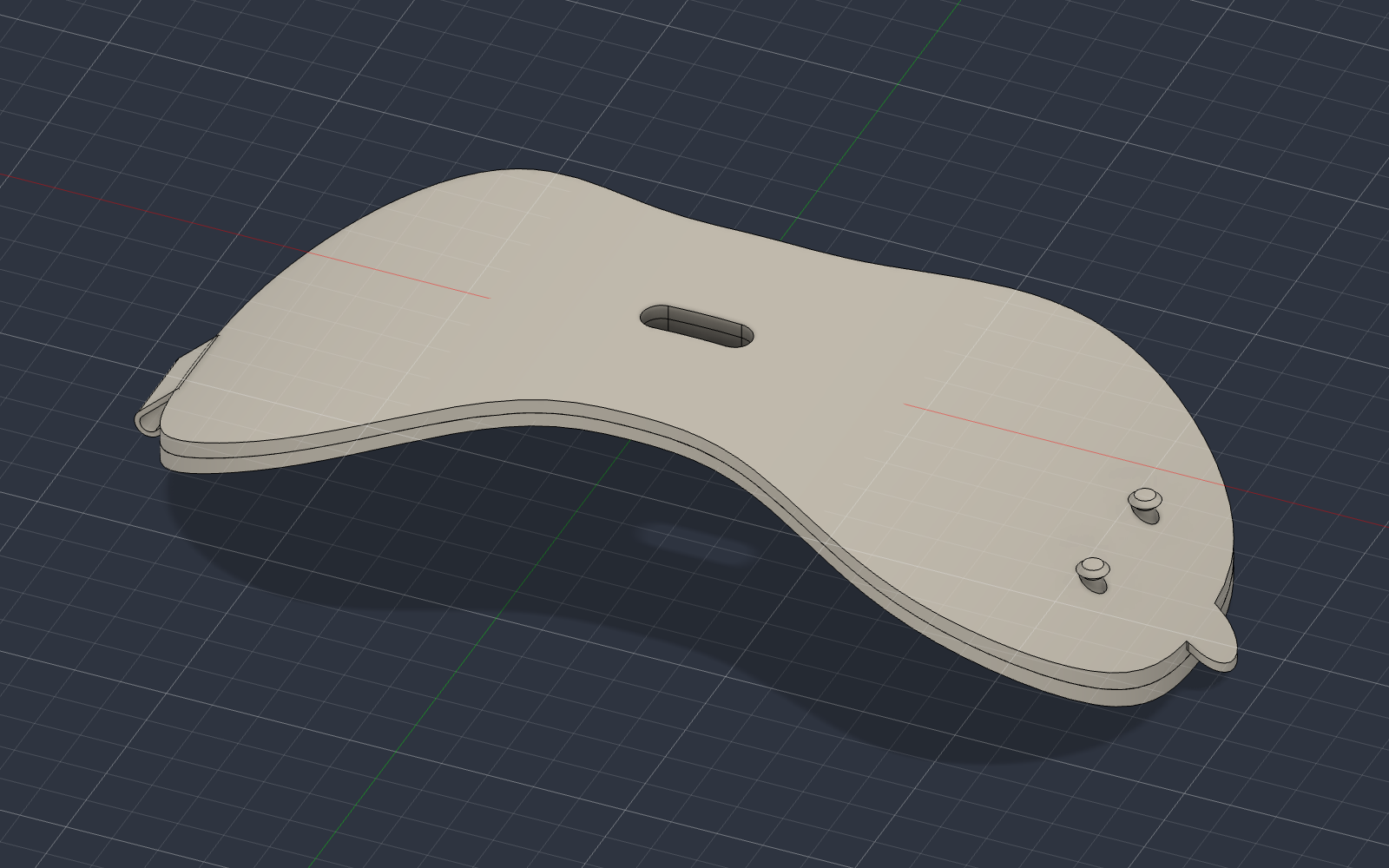
A mouth band that understands your night.
The trouble with snoring is that you never hear it yourself. Zzip is designed not only to hear it, but to respond to it, gently and without waking you.
| Regular mouth tape | Zzip | |
|---|---|---|
| Keeps your mouth closed | ✓ | ✓ |
| Measures your breathing | — | ✓ |
| Detects snoring | — | ✓ |
| Responds to snoring | — | ✓ |
| Smart wake-up window | — | ✓ |
| Shows you the results | — | ✓ |
- Keeps your mouth closed, comfortablyA flexible silicone body with an integrated, skin-friendly adhesive, shaped around the mouth.
- Follows every breathA thermistor near the nose counts each breathing cycle directly from the warm and cool air of your breath.
- Hears snoring and respondsA microphone detects snoring; a gentle vibration is designed to encourage you to change position without waking you.
- Wakes you at a better momentA smart alarm looks for a suitable moment in the window before your alarm time.
- Your whole night on one screenOptical pulse and SpO₂ signals, movement and temperature come together in the Zzip app.
If you are curious about mouth taping, Zzip is worth following: it is the version that shows you whether it actually works for you.
Zzip is a prototype in development. Features and measurement performance are being tested. It is not a medical device and does not diagnose or treat sleep apnea or any other condition.
Frequently asked questions
What is the fastest way to stop snoring?
For many people, the quickest changes are sleeping on the side and avoiding alcohol before bed. If your nose is blocked, clearing it can help the same night.
Do snoring strips work?
Nasal strips can reduce snoring when it starts in the nose, but results vary and they do not treat sleep apnea.
Does mouth tape stop snoring?
It may help people who snore because they breathe through their mouth, but the research is limited. It is not safe with a blocked nose and it is not a sleep apnea treatment.
Is snoring dangerous?
Simple snoring is mostly a nuisance. Snoring with breathing pauses, gasping or strong daytime sleepiness can be a sign of sleep apnea, which is linked to health risks and should be checked by a doctor.
Sources
- Sleep Foundation. How to Stop Snoring: Expert Tips for Quieter Sleep.
- Camacho M. et al. (2018). Oropharyngeal and tongue exercises (myofunctional therapy) for snoring: a systematic review and meta-analysis. European Archives of Oto-Rhino-Laryngology.
- Camacho M. et al. (2016). Nasal Dilators (Breathe Right Strips and NoZovent) for Snoring and OSA: A Systematic Review and Meta-Analysis. Pulmonary Medicine.
- Rhee et al. (2025). Mouth taping in patients with mouth breathing, sleep disordered breathing, or obstructive sleep apnea: A systematic review. PLOS One.
This article is for general information only and is not medical advice. If you have symptoms of a sleep or breathing disorder, talk to a qualified healthcare professional.