Snoring Causes: Why People Snore and What Makes It Worse
Snoring is not random. It has a source somewhere between your nose and your throat, and a set of triggers that make it louder on some nights than others. Knowing your causes is what makes the difference between a fix that works and one that does nothing.
What actually happens when you snore
When you fall asleep, the muscles that hold your airway open relax. In most people the airway stays wide enough for air to pass quietly. In snorers, something narrows it further, and the air speeds up and becomes turbulent as it squeezes through. Soft, floppy tissue, such as the soft palate, the uvula, the tongue or the walls of the throat, starts to flutter. That flutter is the sound.
Snoring is very common. The Sleep Foundation cites estimates that about 44% of men and 28% of women aged 30 to 60 snore habitually. Cleveland Clinic notes that nearly everyone snores at some point, and that occasional snoring is usually harmless.
Where the sound comes from
The NHS describes snoring as vibration in the tongue, mouth, throat or nasal airways. Most snorers have more than one source, but it helps to know which ones play a part, because each responds to different fixes.
| Source | What narrows | Typical clues |
|---|---|---|
| Nose | Congestion, allergies, deviated septum, polyps | Stuffy nose, worse with colds or hay fever, whistling sound |
| Mouth | Mouth falls open, jaw drops back | Dry mouth on waking, snoring stops when mouth closes |
| Tongue | Tongue falls back toward the throat | Much worse on the back, deep heavy sound |
| Soft palate and uvula | Relaxed tissue at the back of the roof of the mouth | Low, fluttering rumble, often worse after alcohol |
| Throat walls | Narrow throat, extra tissue around the neck | Loud, can come with pauses or gasps |
If you want to check whether your mouth is part of the problem, our guide to mouth tape for snoring explains how to tell open-mouth snoring from nose and throat snoring.
Snoring causes you can change
Sleeping on your back
On your back, gravity pulls the tongue and soft tissues toward the throat. The Sleep Foundation notes that snoring is more common in this position and that switching to your side often reduces it.
Alcohol and sedatives
Alcohol, sleeping pills and some other sedating medicines relax the muscles that hold the airway open. The Sleep Foundation notes that chronic snorers tend to snore more severely after drinking. If you only snore after an evening drink, this is likely a big part of your story.
A blocked nose
Allergies, colds, dry air and structural problems can all reduce airflow through the nose. The Sleep Foundation cites a population study in which people who often had severe nasal congestion at night were three times more likely to be habitual snorers. A blocked nose also pushes you into mouth breathing, which adds a second source of noise.
Excess weight
Extra tissue around the neck and throat can narrow the airway and make it more likely to collapse. Losing weight may reduce snoring for people who are overweight.
Smoking
Smoking is thought to inflame and swell the lining of the upper airway. Smokers are more likely to snore, and the risk drops over time after quitting.
Being overtired
Cleveland Clinic lists lack of sleep among the things that relax the throat muscles. A run of short nights can make snoring worse when you finally catch up.
Snoring causes you cannot easily change
- Anatomy. A deviated septum, nasal polyps, a small or set-back jaw, a large tongue, or enlarged tonsils and adenoids can all narrow the airway. Some of these can be treated by an ENT specialist.
- Age. Muscle tone in the throat and tongue decreases with age, so snoring often starts or gets worse in middle age.
- Being male. Men tend to have narrower airways and store more fat around the neck, which makes snoring more likely. That does not mean women do not snore. They are often less likely to be asked about it. See snoring in women.
- Hormones. Pregnancy and menopause can increase snoring in some women.
- Family history. Cleveland Clinic includes a family history of snoring among the risk factors.
- Thyroid. An underactive thyroid can contribute to snoring. It is treatable, so it is worth mentioning to a doctor if you also feel tired, cold or are gaining weight.
When snoring is a symptom, not just a sound
Snoring is the most common symptom of obstructive sleep apnea, a condition in which the airway repeatedly collapses during sleep and breathing stops or becomes very shallow. Most people with sleep apnea snore, but most snorers do not have sleep apnea. The NHS advises seeing a doctor if your breathing stops and starts, you gasp or choke in your sleep, or you feel sleepy during the day. Our guide to snoring vs sleep apnea explains how to tell the difference.
From cause to fix
Once you know your likely causes, the right fixes become much clearer: side sleeping for back snorers, an alcohol-free evening for after-drink snorers, treating the nose for congestion snorers. We have collected the most useful options in how to stop snoring, so we will not repeat them here. Snoring in children is a separate topic with different causes, mostly tonsils and adenoids, and deserves a paediatrician’s view.
Not just tape.
A mouth band that understands your night.
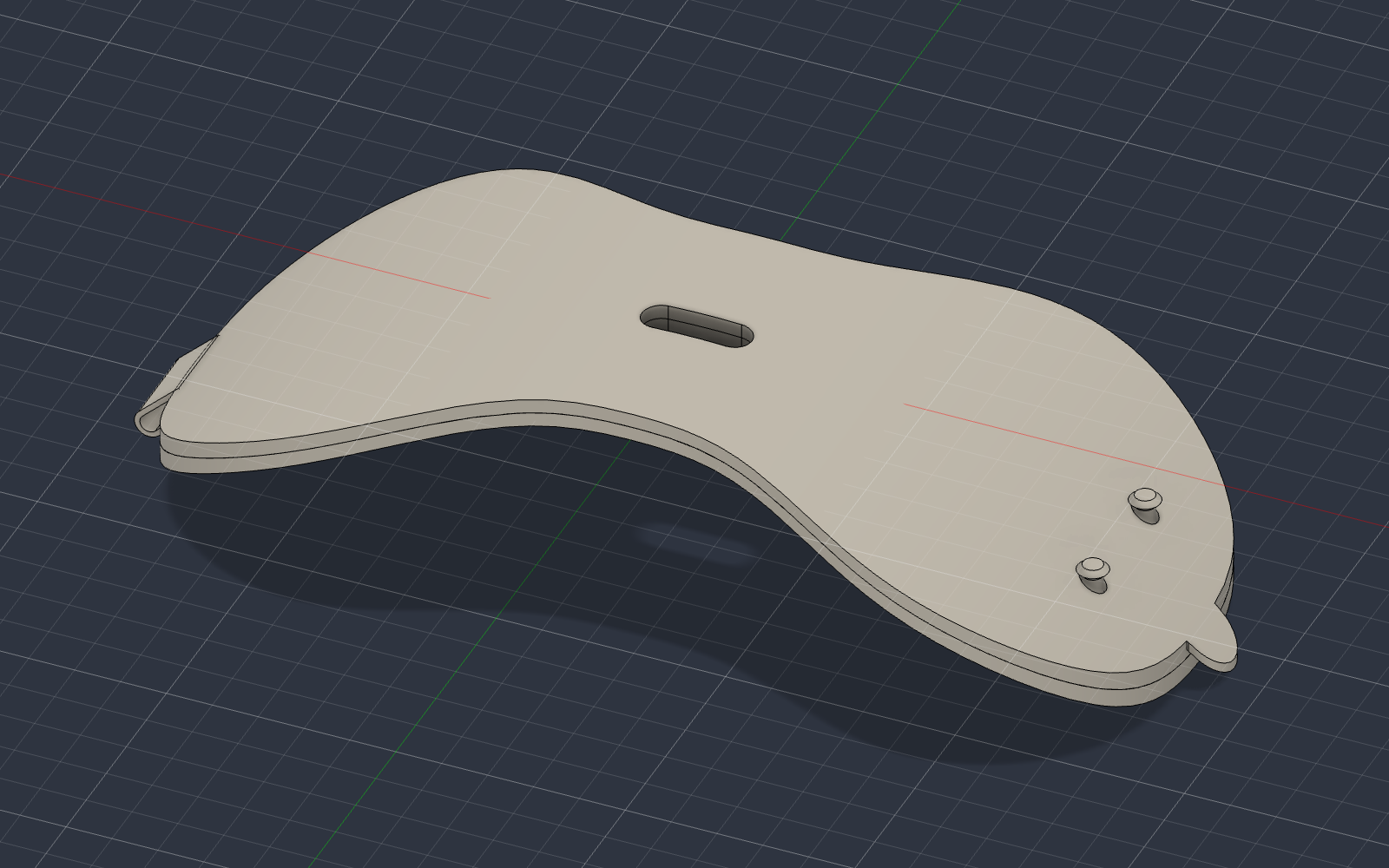
Finding your snoring causes means knowing when and how you snore: on which nights, in which position, with your mouth open or closed. Zzip is being designed to capture exactly that, combining a snoring microphone with breathing, movement and mouth-closure data.
| Regular mouth tape | Zzip | |
|---|---|---|
| Keeps your mouth closed | ✓ | ✓ |
| Measures your breathing | — | ✓ |
| Detects snoring | — | ✓ |
| Responds to snoring | — | ✓ |
| Smart wake-up window | — | ✓ |
| Shows you the results | — | ✓ |
- Keeps your mouth closed, comfortablyA flexible silicone body with an integrated, skin-friendly adhesive, shaped around the mouth.
- Follows every breathA thermistor near the nose counts each breathing cycle directly from the warm and cool air of your breath.
- Hears snoring and respondsA microphone detects snoring; a gentle vibration is designed to encourage you to change position without waking you.
- Wakes you at a better momentA smart alarm looks for a suitable moment in the window before your alarm time.
- Your whole night on one screenOptical pulse and SpO₂ signals, movement and temperature come together in the Zzip app.
If you are curious about mouth taping, Zzip is worth following: it is the version that shows you whether it actually works for you.
Zzip is a prototype in development. Features and measurement performance are being tested. It is not a medical device and does not diagnose or treat sleep apnea or any other condition.
Frequently asked questions
Why do I snore all of a sudden?
New snoring often follows a change: weight gain, a cold or allergy season, drinking in the evening, a new medicine, pregnancy or simply getting older. If it starts suddenly and comes with breathing pauses or daytime sleepiness, see a doctor.
Why do I snore when I am tired?
Sleep deprivation relaxes the throat muscles more deeply once you do sleep, which narrows the airway. Catching up on sleep regularly can help.
Why do men snore more than women?
Men tend to have narrower airways and more fat around the neck and throat. Women’s snoring increases during pregnancy and after menopause.
Is snoring genetic?
Family history is a recognised risk factor, probably because the shape of the jaw, nose and airway runs in families. Lifestyle factors still play a large part.
Is snoring a sign of a health problem?
Occasional, quiet snoring usually is not. Loud, nightly snoring with gasping, pauses in breathing, morning headaches or strong daytime sleepiness can be a sign of sleep apnea and should be checked.
Sources
This article is for general information only and is not medical advice. If you have symptoms of a sleep or breathing disorder, talk to a qualified healthcare professional.