Snoring in Children: When It Is Normal and When to See a Doctor
Hearing a small child snore can be cute, or worrying. Most of the time it is harmless, especially during a cold. But regular, loud snoring in children is different from snoring in adults, and it deserves a closer look. Here is how to tell the difference and what to do next.
Is it normal for children to snore?
Light snoring now and then is very common. Lurie Children’s Hospital of Chicago estimates that about 10 to 20% of kids snore, and that light snoring often needs no treatment. A child with a cold, a blocked nose from hay fever or a sore throat may snore for a few nights and then stop. That is not a reason to worry.
What matters is the pattern. Snoring in children that happens most nights, is loud, or comes with other signs is not the same as an adult’s harmless snoring. In children it can be the main outward sign of obstructive sleep apnea (OSA), in which the airway repeatedly narrows or closes during sleep.
Harmless snoring vs a warning sign
| Usually harmless | Worth a doctor’s visit | |
|---|---|---|
| How often | Now and then, during colds or allergy flare-ups | Most nights, for weeks |
| Sound | Soft, steady | Loud, with pauses, gasps, snorts or choking |
| Sleep | Calm, wakes rested | Restless, frequent night waking, bedwetting |
| Breathing | Through the nose when well | Mouth open most nights, even when not ill |
| Daytime | Normal energy, mood and focus | Tired, grumpy, hyperactive, struggling to focus |
Signs of sleep apnea in children
Children with sleep apnea often do not look sleepy the way adults do. Lurie Children’s lists these warning signs:
At night
- pauses in breathing, often followed by a gasp or snort;
- gasping or choking during sleep;
- restless sleep, tossing and turning;
- nightmares or night terrors;
- bedwetting, especially if a child was previously dry.
During the day
- waking up tired or needing naps beyond their age;
- breathing through the mouth;
- behaviour changes such as hyperactivity, irritability or aggression;
- trouble concentrating at school.
Because the daytime signs look a lot like other childhood problems, poor sleep can be missed. If your child has attention or behaviour difficulties and also snores, it is worth asking a doctor to consider sleep.
Why children snore: tonsils, adenoids and more
In children the airway is small, so it does not take much to narrow it. The most common cause of childhood sleep apnea is enlarged tonsils and adenoids, the lumps of immune tissue at the back of the throat and behind the nose. A 2022 study summarising the research notes that childhood OSA affects roughly 1 to 4% of children, depending on how it is defined, with a first peak between about 2 and 8 years old, when tonsils and adenoids are relatively large, and a second peak in adolescence linked to weight gain.
Other causes and contributors include:
- allergies and frequent colds that block the nose;
- a deviated septum, a narrow palate or a small jaw;
- overweight or obesity;
- exposure to cigarette smoke: a 2018 meta-analysis of 24 studies linked second-hand smoke, especially maternal and prenatal smoking, to a higher risk of habitual snoring in children.
Snoring often goes together with mouth breathing in children. For more on why that matters and what causes it, see mouth breathing in children.
What doctors do
The American Academy of Pediatrics guideline from 2012 asks primary care doctors to screen all children and teenagers for snoring. For a child who snores and has other signs of sleep apnea, it recommends an overnight sleep study (polysomnography) or a referral to a sleep specialist or ear, nose and throat (ENT) specialist. When a full sleep study is not available, other tests such as overnight video or oximetry can help, but they are less reliable.
If sleep apnea is confirmed and the cause is enlarged tonsils and adenoids, the guideline names removing them (adenotonsillectomy) as the first-line treatment for most otherwise healthy children. Other options include CPAP for children who still have symptoms after surgery or cannot have it, weight management for children who are overweight, and, for mild cases, nasal steroid sprays prescribed by a doctor. A doctor will decide what fits your child.
What you can do as a parent
- Watch and listen for a week. Note how many nights your child snores, how loud it is, and whether there are pauses or gasps.
- Record a short video. A minute or two of your child sleeping and snoring, with the chest visible, can help your doctor a lot. Lurie Children’s also suggests recording for the doctor.
- Treat obvious nose problems. Allergies and congestion are worth managing with your doctor or pharmacist.
- Keep the home smoke-free.
- Talk to your paediatrician if snoring happens most nights or comes with any of the warning signs above. They can refer you to an ENT or sleep specialist.
Please do not try adult snoring fixes on children. Mouth tape, chin straps and snoring mouthpieces are not designed for children and can hide a problem that needs treatment. Our guide on mouth tape for kids explains why. Adult snoring is a different story, covered in snoring causes and how to stop snoring.
Not just tape.
A mouth band that understands your night.
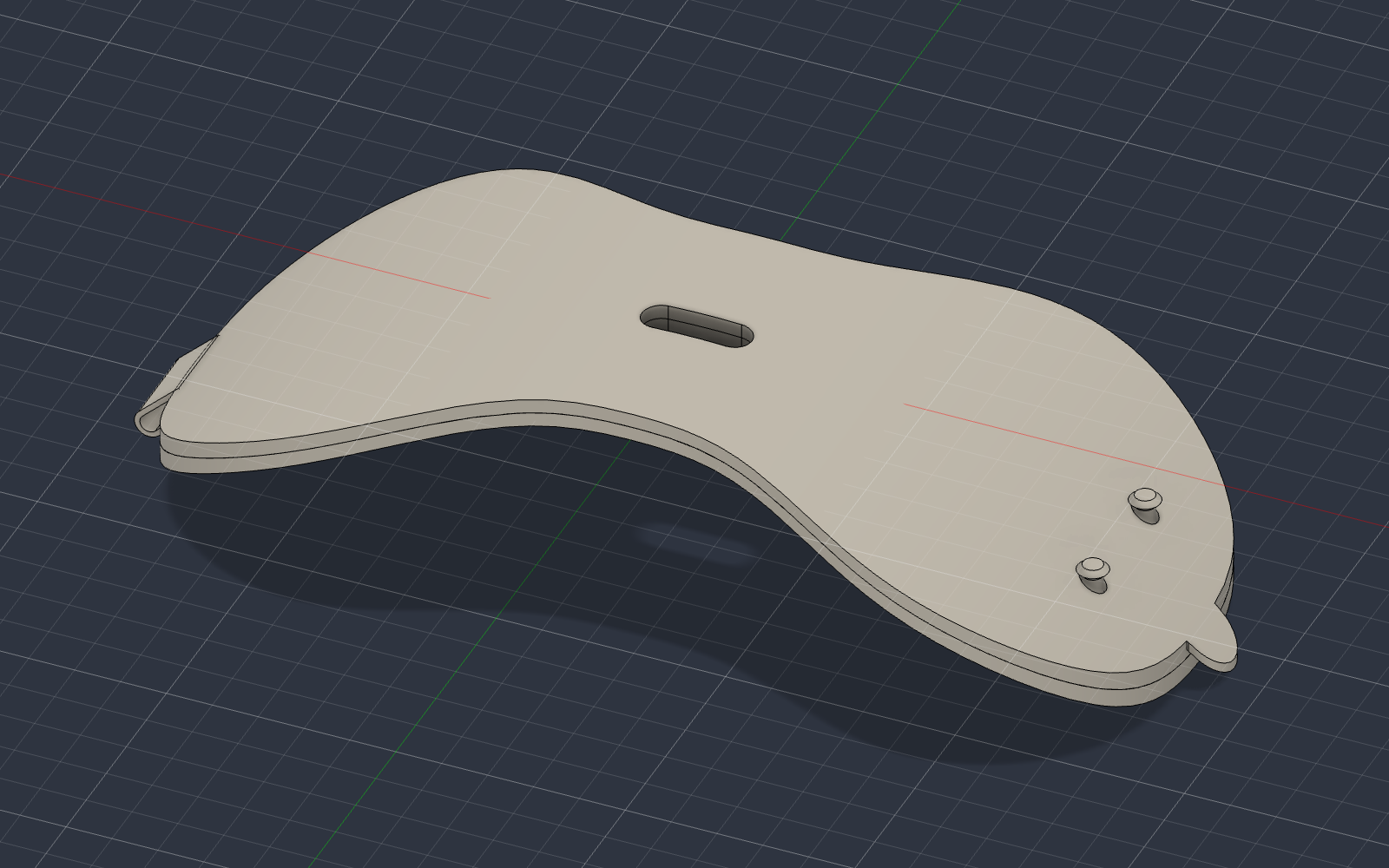
Zzip is being developed for adults, not children: if your child snores, a paediatrician is the right first step. For adults who want to understand their own snoring night by night, Zzip is designed to record snoring alongside breathing and mouth closure.
| Regular mouth tape | Zzip | |
|---|---|---|
| Keeps your mouth closed | ✓ | ✓ |
| Measures your breathing | — | ✓ |
| Detects snoring | — | ✓ |
| Responds to snoring | — | ✓ |
| Smart wake-up window | — | ✓ |
| Shows you the results | — | ✓ |
- Keeps your mouth closed, comfortablyA flexible silicone body with an integrated, skin-friendly adhesive, shaped around the mouth.
- Follows every breathA thermistor near the nose counts each breathing cycle directly from the warm and cool air of your breath.
- Hears snoring and respondsA microphone detects snoring; a gentle vibration is designed to encourage you to change position without waking you.
- Wakes you at a better momentA smart alarm looks for a suitable moment in the window before your alarm time.
- Your whole night on one screenOptical pulse and SpO₂ signals, movement and temperature come together in the Zzip app.
If you are curious about mouth taping, Zzip is worth following: it is the version that shows you whether it actually works for you.
Zzip is a prototype in development. Features and measurement performance are being tested. It is not a medical device and does not diagnose or treat sleep apnea or any other condition.
Frequently asked questions
Is it normal for a toddler to snore?
Occasional light snoring in toddlers is common, especially with a cold. Loud snoring most nights, or snoring with pauses, gasping or restless sleep, should be checked by a doctor.
When should I worry about my child snoring?
Speak to a doctor if your child snores most nights for several weeks, snores loudly, stops breathing or gasps in sleep, sleeps very restlessly, wets the bed again, or is tired, irritable or hyperactive during the day.
Can enlarged tonsils cause snoring in children?
Yes. Enlarged tonsils and adenoids are the most common cause of sleep apnea in children. Removing them is the usual first treatment when sleep apnea is confirmed.
Can snoring affect a child’s behaviour?
Disturbed sleep from sleep apnea can show up as hyperactivity, irritability, aggression or trouble focusing. In a large 2013 trial of children aged 5 to 9 with sleep apnea, those who had their tonsils and adenoids removed showed greater improvements in behaviour and quality of life than those who waited, although thinking skills did not differ.
How is sleep apnea diagnosed in children?
The standard test is an overnight sleep study (polysomnography). Your doctor may refer you to a sleep specialist or ENT, who will decide on the right test.
Sources
- Marcus CL, Brooks LJ, Draper KA, et al.; American Academy of Pediatrics (2012). Diagnosis and management of childhood obstructive sleep apnea syndrome. Pediatrics 130(3):576–584.
- American Family Physician (2013). AAP Releases Guideline on Diagnosis and Management of Obstructive Sleep Apnea Syndrome in Children. Am Fam Physician 87(12):889–894.
- Lurie Children’s Hospital of Chicago (2022). Snoring in Children & Toddlers: When to Worry.
- Tran-Minh D, Phi-Thi-Quynh A, Nguyen-Dinh P, Duong-Quy S (2022). Efficacy of obstructive sleep apnea treatment by antileukotriene receptor and surgery therapy in children with adenotonsillar hypertrophy. Frontiers in Neurology.
- Sun K, Zhang Y, Tian Y, Jiang X (2018). Environmental tobacco smoke exposure and risk of habitual snoring in children: a meta-analysis. Journal of Epidemiology & Community Health 72(11):1064–1070.
- Marcus CL, et al.; Childhood Adenotonsillectomy Trial (2013). A randomized trial of adenotonsillectomy for childhood sleep apnea. New England Journal of Medicine 368(25):2366–2376.
This article is for general information only and is not medical advice. If you have symptoms of a sleep or breathing disorder, talk to a qualified healthcare professional.