Does Alcohol Make You Snore? Why It Happens and What Helps
Plenty of people who sleep quietly most nights snore after a few drinks. Here is why alcohol has that effect on your airway, how much timing matters, what it means for sleep apnea, and what to do if wine nights are loud nights.
Does alcohol make you snore?
For many people, yes. Alcohol makes you snore more easily because it acts on the same things that keep your airway open during sleep. The Sleep Foundation notes that people who do not normally snore may start snoring after drinking, especially if they drink close to bedtime, drink more than usual or drink heavily.
Snoring itself is the sound of relaxed tissue in the throat vibrating as air passes through a narrowed airway. Anything that relaxes that tissue further, or narrows the airway, makes the sound more likely and louder. Alcohol does both.
Why drinking makes snoring worse
It relaxes the throat
Alcohol is a sedative. It lowers the tone of the muscles in the tongue and throat, so the soft tissue can sag into the airway more easily when you lie down. Interestingly, at least one lab study in awake volunteers found alcohol had only a small effect on one key tongue muscle, so researchers are still working out exactly which mechanisms matter most during sleep.
It blunts your wake-up reflex
When your airway narrows during sleep, your brain normally reacts with a brief arousal that restores muscle tone and opens the airway again. Alcohol makes you harder to wake, so breathing problems can last longer before your body responds.
It can stuff up your nose
Alcohol also affects blood vessels in the nose and can add congestion. A blocked nose pushes you toward breathing through your mouth, which is another route to snoring.
What the research shows
An early sleep-lab study gave a clear picture. Researchers recorded people with snoring or sleep apnea on normal nights and then after drinking alcohol. In five people with obstructive sleep apnea, alcohol made breathing blockages longer and more frequent, and blood oxygen dropped further in the first hour of sleep. In two people who were simple snorers, alcohol triggered real obstructive sleep apnea during the first hour. The study was small, but it showed how alcohol can push snoring over the line into blocked breathing.
Larger studies look at long-term drinking. A 2018 meta-analysis of 21 studies found that higher alcohol consumption was associated with a 25% higher risk of sleep apnea. That is an association, not proof that alcohol causes sleep apnea, but it fits with what lab studies show.
| Night without alcohol | Night after drinking | |
|---|---|---|
| Throat muscle tone | Normal for sleep | More relaxed |
| Response to a narrowed airway | Brief arousal reopens it | Slower, so events can last longer |
| Nose | Unchanged | Can be more congested |
| Snoring | Your usual level | Often louder or new |
| Second half of the night | Normal cycles | More waking as alcohol wears off |
Timing: how long before bed to stop drinking
Because the effect depends on how much alcohol is in your blood while you sleep, timing matters. The liver clears alcohol at roughly one drink per hour, and the Sleep Foundation says experts recommend avoiding alcohol for at least three hours before bedtime. For people with sleep apnea, it suggests the last drink at least four hours before sleep.
- Move drinks earlier. A drink with an early dinner affects your night less than one just before bed.
- Drink less in one sitting. Several drinks close together keep blood alcohol high for longer.
- Eat and drink water. Drinking on an empty stomach makes the effect stronger.
- Watch other sedatives. Sleeping pills and some other medicines can add to alcohol’s effect on breathing. Ask a pharmacist or doctor.
Alcohol also makes sleep worse, not just louder
Alcohol may help you fall asleep faster, but the night that follows is lower quality. As blood alcohol drops in the second half of the night, sleep gets lighter and more broken, with more awakenings. Combined with snoring, that is a recipe for waking up tired, and for a partner who slept badly too. If you share a bed, our guide to sleeping next to a snorer has ideas for them.
On nights you drink: what to do
- Sleep on your side. It is one of the easiest ways to reduce snoring. See the best sleeping position for snoring.
- Raise your upper body slightly with a wedge pillow if you end up on your back.
- Clear your nose with saline before bed if it feels stuffy.
- Skip mouth tape. Alcohol is one of the clear reasons not to tape your mouth. If you get congested, sick or very deeply asleep, a taped mouth can make breathing harder. Read is mouth taping safe for the full list.
- If you use CPAP, still use it. The Sleep Foundation advises nightly use, including after drinking.
For the general list of remedies that work on any night, see how to stop snoring.
When alcohol snoring is a warning sign
If you snore only after a big night out, the fix is mostly about how much and how late you drink. But if you snore loudly most nights, your partner hears gasping or pauses in your breathing, or you feel very sleepy during the day, alcohol may be making an existing sleep apnea worse. That needs a proper assessment, not just fewer drinks.
Not just tape.
A mouth band that understands your night.
Most people only find out about their drinking-night snoring from someone else. Zzip is being developed to record snoring and breathing night after night, so you can see in your own data how your sleep changes when you cut back on evening drinks.
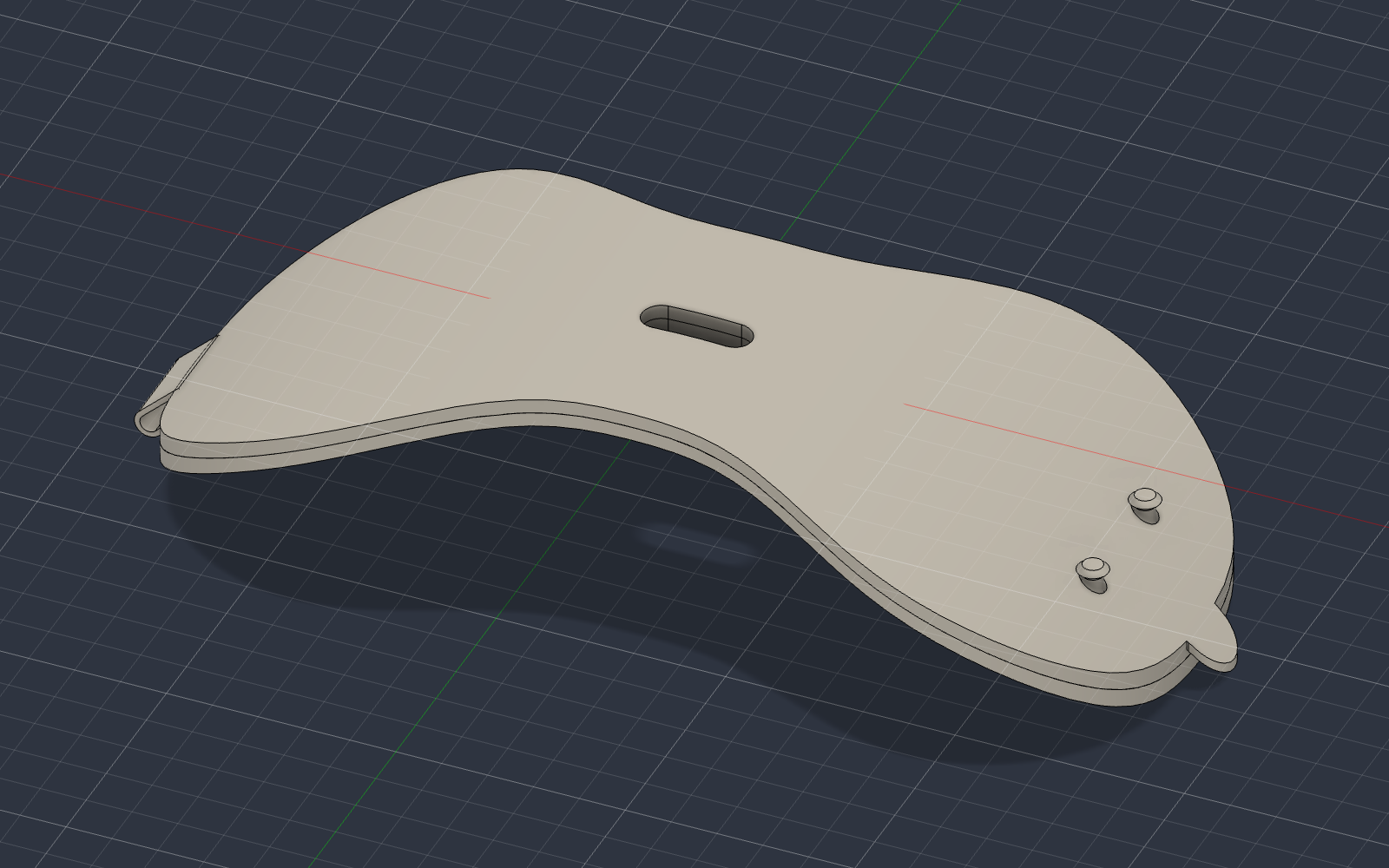
| Regular mouth tape | Zzip | |
|---|---|---|
| Keeps your mouth closed | ✓ | ✓ |
| Measures your breathing | — | ✓ |
| Detects snoring | — | ✓ |
| Responds to snoring | — | ✓ |
| Smart wake-up window | — | ✓ |
| Shows you the results | — | ✓ |
- Keeps your mouth closed, comfortablyA flexible silicone body with an integrated, skin-friendly adhesive, shaped around the mouth.
- Follows every breathA thermistor near the nose counts each breathing cycle directly from the warm and cool air of your breath.
- Hears snoring and respondsA microphone detects snoring; a gentle vibration is designed to encourage you to change position without waking you.
- Wakes you at a better momentA smart alarm looks for a suitable moment in the window before your alarm time.
- Your whole night on one screenOptical pulse and SpO₂ signals, movement and temperature come together in the Zzip app.
If you are curious about mouth taping, Zzip is worth following: it is the version that shows you whether it actually works for you.
Zzip is a prototype in development. Features and measurement performance are being tested. It is not a medical device and does not diagnose or treat sleep apnea or any other condition.
Frequently asked questions
Why do I snore after drinking alcohol but not otherwise?
Alcohol relaxes the muscles in your tongue and throat and makes you harder to wake. On a normal night your airway stays open enough to stay quiet; after drinking it narrows more, and the tissue vibrates.
Does wine make you snore more than beer?
There is no good evidence that one type of drink is worse. What matters is how much alcohol you have and how close to bedtime you drink it.
How long after drinking does snoring stop?
The effect is strongest while alcohol is still in your blood, usually the first part of the night. The liver clears roughly one drink per hour, so heavier or later drinking lasts longer into sleep.
Does alcohol cause sleep apnea?
Drinking is linked to a higher risk of sleep apnea, and it can worsen existing sleep apnea. Research shows an association, but has not proven that alcohol alone causes it.
Can I wear mouth tape after drinking?
No. Alcohol and sedatives are among the main reasons not to tape your mouth, because they make you harder to wake if your breathing gets difficult.
Sources
- Issa FG, Sullivan CE (1982). Alcohol, snoring and sleep apnea. Journal of Neurology, Neurosurgery, and Psychiatry 45(4):353–359.
- Simou E, Britton J, Leonardi-Bee J (2018). Alcohol and the risk of sleep apnoea: a systematic review and meta-analysis. Sleep Medicine 42:38–46.
- Avraam J et al. (2023). The influence of alcohol on genioglossus single motor units in men and women during wakefulness. Experimental Physiology 108:491–502.
- Sleep Foundation. The Link Between Alcohol and Sleep Apnea.
- Sleep Foundation. Alcohol and Sleep.
This article is for general information only and is not medical advice. If you have symptoms of a sleep or breathing disorder, talk to a qualified healthcare professional.