Snoring in Women: Why It Happens, Why It Gets Missed and What Helps
Snoring is often treated as a men’s problem, and many women are embarrassed to admit they do it. But women snore too, sometimes just as loudly, and the reasons and risks change across pregnancy and menopause. Here is what is different for women and what to do about it.
Do women snore as much as men?
On average, men snore more. The Sleep Foundation cites estimates that about 44% of men and 28% of women aged 30 to 60 snore habitually. Men tend to have narrower airways and carry more fat around the neck and throat.
But the gap is smaller than many people think, and part of it is about reporting rather than reality. A 2019 study in the Journal of Clinical Sleep Medicine measured snoring with a calibrated sound meter in 1,913 people referred for a sleep study, including 675 women. Women snored just as loudly as men. Yet 28% of the women described themselves as non-snorers, compared with about 7% of men, and more than a third of those self-described non-snorers actually had severe or very severe snoring. The authors suggested that stigma around women snoring may play a part, and that this underreporting could contribute to sleep apnea being missed in women.
Snoring in women is not unusual, unfeminine or something to hide. It is a useful signal about your airway.
Why women snore: what changes across life
| Life stage | What can change | What to watch for |
|---|---|---|
| Reproductive years | Snoring is less common, but the usual causes still apply: nose, weight, alcohol, back sleeping | Tiredness that does not match your hours of sleep |
| Pregnancy | Nasal congestion, weight gain and fluid can narrow the airway | Snoring that starts in pregnancy, high blood pressure, swelling |
| Perimenopause and menopause | Hormonal shifts and changes in fat distribution | New or louder snoring, night waking, morning headaches |
| After menopause | Risk of sleep-disordered breathing rises | Snoring plus daytime sleepiness, high blood pressure |
Snoring in pregnancy
Many women start snoring for the first time while pregnant. A blocked nose is common in pregnancy, weight increases, and the airway can narrow. In a prospective study of 1,719 pregnant women published in 2012, 34% reported snoring and 25% said their snoring began during pregnancy.
That same study found that snoring which started in pregnancy was associated with a higher risk of gestational high blood pressure and preeclampsia, even after adjusting for other factors. Women who had snored before pregnancy did not show the same link. This does not mean snoring causes these conditions, but it is a reason to mention new snoring to your midwife or doctor rather than brushing it off.
If you are pregnant, avoid experimenting with sleep gadgets or mouth tape without advice. Our guide on mouth taping during pregnancy explains why.
Snoring and menopause
Many women notice snoring starts or gets louder in their late forties and fifties. The Wisconsin Sleep Cohort Study, which tested 589 women with overnight sleep studies, found that the menopausal transition was linked to higher odds of sleep-disordered breathing, independent of age, weight and other known factors. The Sleep Foundation also lists pregnancy and menopause among the hormonal changes that can raise snoring risk.
Menopause brings plenty of other reasons to sleep badly, such as hot flushes and night sweats, so snoring-related problems can be easy to overlook. If your sleep changes in midlife, it is worth asking whether your breathing is part of the picture.
Why sleep apnea in women gets missed
Obstructive sleep apnea is often pictured as a loud-snoring, overweight middle-aged man. Women do not always fit that picture. A 2021 review in Medical Principles and Practice notes that women with sleep apnea more often report non-specific complaints, such as broken sleep, tiredness, low mood and early-morning headaches, and that they may be treated for insomnia, depression or thyroid problems first. The result is that women tend to be diagnosed later.
Signs worth taking seriously, even if your snoring seems mild:
- feeling exhausted despite a full night in bed;
- waking up often during the night, or with a racing heart;
- morning headaches or a dry mouth;
- a partner noticing pauses, gasps or choking sounds;
- high blood pressure, especially if it is hard to control.
Only a sleep study can diagnose sleep apnea. For a full list of signs, see sleep apnea symptoms.
How to stop snoring as a woman
The basic fixes are the same for everyone: sleeping on your side, avoiding alcohol close to bedtime, keeping your nose clear and, if relevant, losing some weight. We cover them in detail in how to stop snoring, and devices are compared in anti-snoring devices. What is different for women is mostly about context:
- Find out whether you really snore, and how much. Because women underreport snoring, a recording or a partner’s honest account is more useful than your own impression.
- Mention it at the right appointments. New snoring in pregnancy belongs in your antenatal check. New snoring around menopause is worth raising with your GP alongside other symptoms.
- Do not dismiss tiredness. If you are always tired, ask specifically whether a sleep study makes sense, rather than accepting “it’s just stress”.
- Treat your nose. Hormonal and allergic congestion is common in women and pushes you into mouth breathing.
Not just tape.
A mouth band that understands your night.
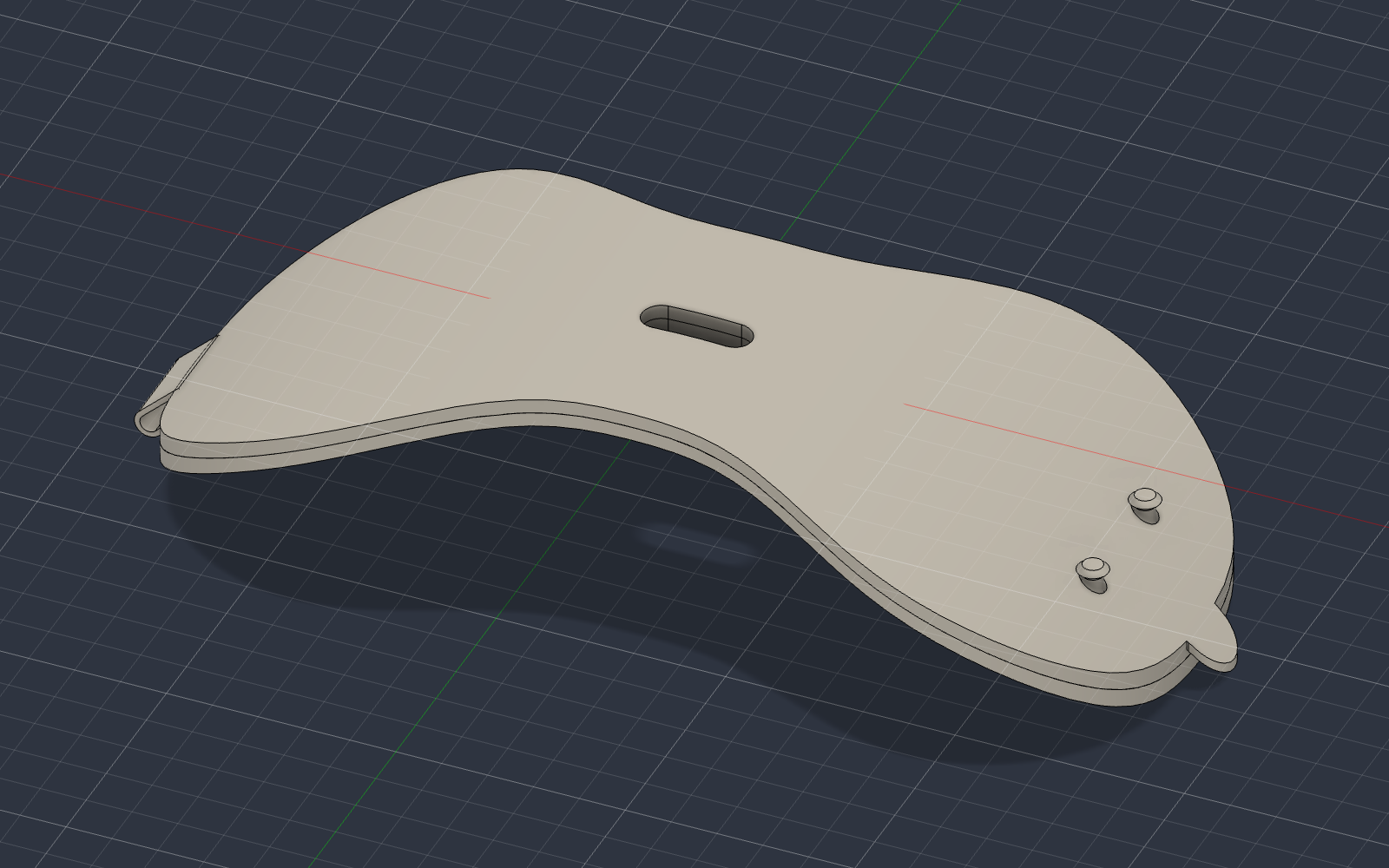
Many women never find out they snore, or how often, because nobody tells them. Zzip is being designed to listen for snoring and record it alongside breathing, mouth closure and movement, so you have your own data instead of a guess.
| Regular mouth tape | Zzip | |
|---|---|---|
| Keeps your mouth closed | ✓ | ✓ |
| Measures your breathing | — | ✓ |
| Detects snoring | — | ✓ |
| Responds to snoring | — | ✓ |
| Smart wake-up window | — | ✓ |
| Shows you the results | — | ✓ |
- Keeps your mouth closed, comfortablyA flexible silicone body with an integrated, skin-friendly adhesive, shaped around the mouth.
- Follows every breathA thermistor near the nose counts each breathing cycle directly from the warm and cool air of your breath.
- Hears snoring and respondsA microphone detects snoring; a gentle vibration is designed to encourage you to change position without waking you.
- Wakes you at a better momentA smart alarm looks for a suitable moment in the window before your alarm time.
- Your whole night on one screenOptical pulse and SpO₂ signals, movement and temperature come together in the Zzip app.
If you are curious about mouth taping, Zzip is worth following: it is the version that shows you whether it actually works for you.
Zzip is a prototype in development. Features and measurement performance are being tested. It is not a medical device and does not diagnose or treat sleep apnea or any other condition.
Frequently asked questions
Why have I started snoring as a woman?
Common reasons include weight gain, nasal congestion, alcohol, getting older, pregnancy and menopause. If new snoring comes with daytime exhaustion, breathing pauses or headaches, see a doctor.
Is snoring in women a sign of sleep apnea?
Not always, but it can be. Women with sleep apnea often have subtler symptoms, such as fatigue, insomnia or morning headaches. A sleep study is the only way to know.
Is it normal to snore during pregnancy?
It is common, especially later in pregnancy. Because pregnancy-onset snoring has been linked to high blood pressure in pregnancy, mention it to your midwife or doctor.
Does menopause cause snoring?
Menopause is linked to a higher risk of sleep-disordered breathing, and many women notice snoring starts or gets worse in midlife. Hormonal changes, weight distribution and age all play a part.
Do women snore as loudly as men?
In one large sleep-lab study, women’s snoring was just as loud as men’s when measured objectively, even though women rated it as less severe.
Sources
- Westreich R, Gozlan-Talmor A, Geva-Robinson S, et al. (2019). The Presence of Snoring as Well as its Intensity Is Underreported by Women. Journal of Clinical Sleep Medicine 15(3):471–476.
- O’Brien LM, Bullough AS, Owusu JT, et al. (2012). Pregnancy-onset habitual snoring, gestational hypertension, and preeclampsia: prospective cohort study. American Journal of Obstetrics and Gynecology 207(6):487.e1–9.
- Young T, Finn L, Austin D, Peterson A (2003). Menopausal status and sleep-disordered breathing in the Wisconsin Sleep Cohort Study. American Journal of Respiratory and Critical Care Medicine 167(9):1181–1185.
- Bouloukaki I, Tsiligianni I, Schiza S (2021). Evaluation of Obstructive Sleep Apnea in Female Patients in Primary Care: Time for Improvement? Medical Principles and Practice 30(6):508–514.
- Sleep Foundation. Why Do People Snore? Common Causes of Snoring.
This article is for general information only and is not medical advice. If you have symptoms of a sleep or breathing disorder, talk to a qualified healthcare professional.