Sleep Apnea Symptoms: Night and Day Signs, Risk Factors and Testing
Sleep apnea is common and mostly happens while you are unconscious, so many people live with it for years without knowing. The clues are there, though, at night and during the day. Here is a clear list of sleep apnea symptoms, who is most at risk and what to do if you recognise yourself.
What is sleep apnea?
Sleep apnea is a condition in which breathing repeatedly stops and starts during sleep. The NHLBI describes two main types:
- Obstructive sleep apnea (OSA), by far the most common, where the upper airway repeatedly becomes blocked as the throat muscles relax.
- Central sleep apnea, where the brain does not send the right signals to the breathing muscles.
Each pause can lower oxygen levels and briefly wake the brain to restart breathing. You usually do not remember these awakenings, but they break up your sleep, sometimes dozens of times an hour. A 2019 analysis in The Lancet Respiratory Medicine estimated that around 936 million adults aged 30 to 69 worldwide have obstructive sleep apnea, and 425 million have a moderate to severe form. Many of them have never been diagnosed.
Sleep apnea symptoms at night
Most night-time sleep apnea symptoms are noticed by a bed partner rather than by you:
- Loud, frequent snoring, often the first thing people notice.
- Pauses in breathing: the snoring stops, there is silence, then a snort, gasp or choke as breathing restarts.
- Waking up short of breath or with a choking feeling.
- Restless sleep and waking up many times during the night.
- Night sweats.
- Needing to urinate at night more than usual.
Sleep apnea symptoms during the day
The daytime signs are what you feel yourself. Mayo Clinic and Cleveland Clinic list:
- Excessive daytime sleepiness: struggling to stay awake while reading, watching TV, in meetings or driving.
- Feeling unrefreshed after what should have been a full night.
- Morning headaches.
- A dry mouth or sore throat on waking. See waking up with a sore throat for other causes.
- Trouble concentrating, poor memory and irritability or mood changes.
- Lower sex drive or sexual problems.
Symptom checklist
This is not a diagnosis, but it can help you decide whether to talk to a doctor.
| Symptom | Why it matters |
|---|---|
| Someone has seen you stop breathing | One of the strongest warning signs; worth a doctor’s visit on its own |
| Waking up gasping or choking | Suggests the airway is closing |
| Loud snoring most nights | The most common symptom, though most snorers do not have sleep apnea |
| Sleepy during the day despite enough sleep | A sign your sleep is being broken up |
| Nodding off while driving | A safety risk; see a doctor promptly and avoid driving when drowsy |
| Morning headaches, dry mouth | Common in sleep apnea, but also have other causes |
| High blood pressure, especially hard to control | Often goes together with sleep apnea |
If you want a quick structured risk check, our guide to snoring vs sleep apnea walks through the STOP-Bang questionnaire that doctors use.
Symptoms in women and children
Sleep apnea does not always look the same. A 2021 review notes that women with OSA more often report insomnia, fatigue, low mood, morning headaches and nightmares than classic loud snoring, and are often treated for depression, insomnia or thyroid problems first. That is one reason women tend to be diagnosed later. More in snoring in women.
In children, sleep apnea may show up as restless sleep, bedwetting and behaviour or attention problems rather than sleepiness, so mention snoring to your child’s doctor.
Who is most at risk?
Anyone can have sleep apnea, including slim young people. Cleveland Clinic, Mayo Clinic and the NHLBI list these as common risk factors:
- obesity, especially with a thick neck;
- older age;
- being male, although women’s risk rises after menopause;
- large tonsils, a small jaw or other features that narrow the airway;
- a family history of sleep apnea;
- high blood pressure, heart disease or a previous stroke;
- smoking and chronic nasal congestion; alcohol, sedatives and some sleeping pills can also make sleep apnea worse.
Why it is worth getting checked
Untreated sleep apnea is more than a bad night. The NHLBI notes it can affect concentration, memory and decision-making and is linked to a higher risk of stroke, heart attack and other serious problems. Cleveland Clinic lists high blood pressure, heart rhythm problems such as atrial fibrillation, heart failure, and the danger of microsleeps while driving among the possible complications.
The good news is that it is treatable. Depending on the type and severity, options include CPAP, oral appliances fitted by a dentist, sleeping position changes, weight loss, nerve stimulation devices and surgery.
How sleep apnea is diagnosed
- Talk to your doctor. Describe your symptoms, and bring your partner’s observations or an audio recording if you can.
- Have a sleep study. This is either an overnight polysomnography in a sleep lab, which records breathing, oxygen, heart rate and brain waves, or a home sleep apnea test, a simpler device you wear in bed. Home tests cannot diagnose central sleep apnea.
- Get your result. Severity is graded by the apnea-hypopnea index (AHI). Cleveland Clinic uses 5 to 14 events per hour for mild, 15 to 29 for moderate and 30 or more for severe.
Please do not self-treat suspected sleep apnea with mouth tape or other gadgets. They may reduce snoring without fixing the breathing pauses. Our guide to mouth tape for sleep apnea explains why.
Not just tape.
A mouth band that understands your night.
Many sleep apnea symptoms happen while you are asleep, which is why they go unnoticed for years. Zzip is being designed to track snoring, breathing and SpO₂ trends overnight. It is not a medical device and cannot diagnose sleep apnea, but it is meant to show you patterns worth taking to a doctor.
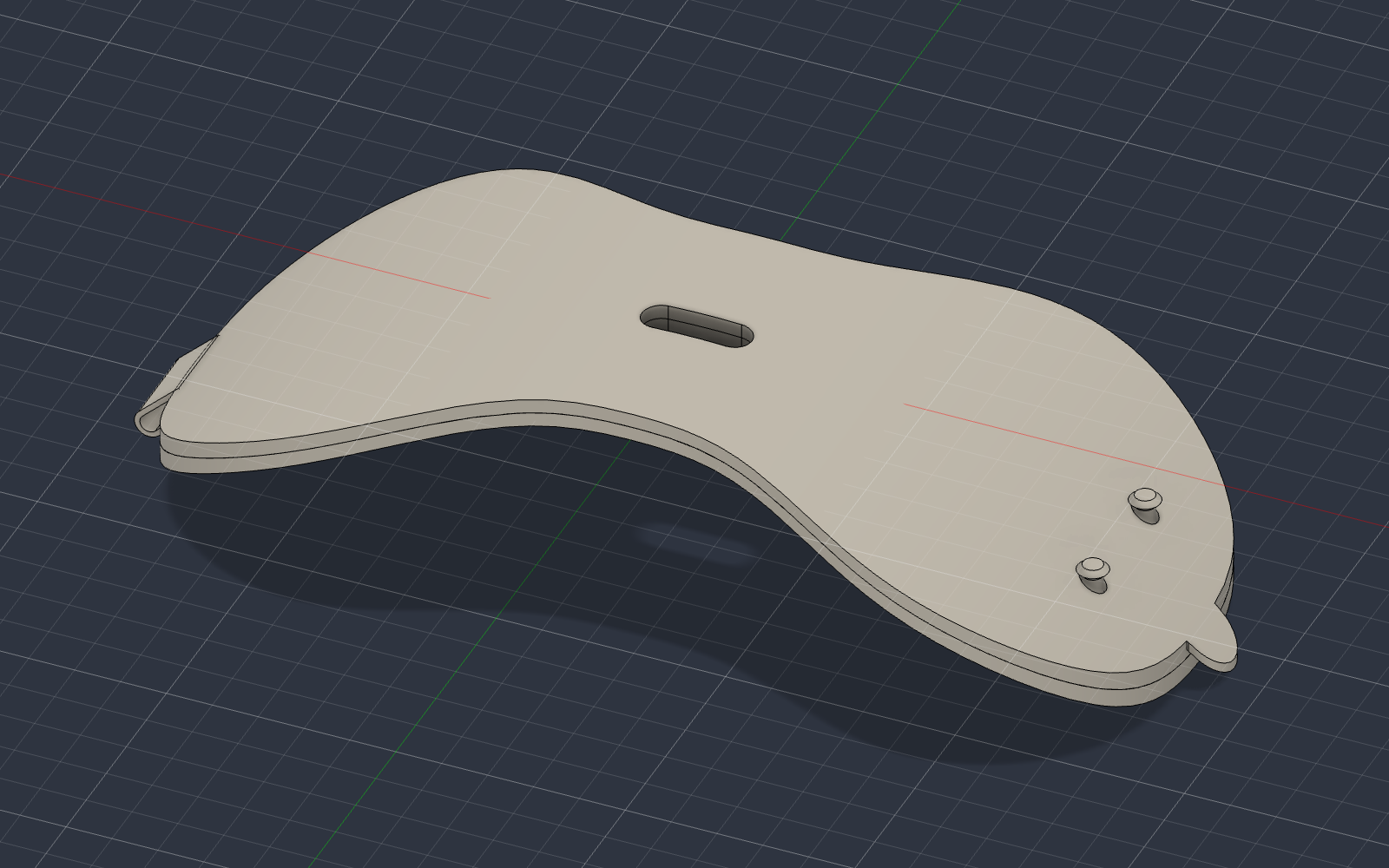
| Regular mouth tape | Zzip | |
|---|---|---|
| Keeps your mouth closed | ✓ | ✓ |
| Measures your breathing | — | ✓ |
| Detects snoring | — | ✓ |
| Responds to snoring | — | ✓ |
| Smart wake-up window | — | ✓ |
| Shows you the results | — | ✓ |
- Keeps your mouth closed, comfortablyA flexible silicone body with an integrated, skin-friendly adhesive, shaped around the mouth.
- Follows every breathA thermistor near the nose counts each breathing cycle directly from the warm and cool air of your breath.
- Hears snoring and respondsA microphone detects snoring; a gentle vibration is designed to encourage you to change position without waking you.
- Wakes you at a better momentA smart alarm looks for a suitable moment in the window before your alarm time.
- Your whole night on one screenOptical pulse and SpO₂ signals, movement and temperature come together in the Zzip app.
If you are curious about mouth taping, Zzip is worth following: it is the version that shows you whether it actually works for you.
Zzip is a prototype in development. Features and measurement performance are being tested. It is not a medical device and does not diagnose or treat sleep apnea or any other condition.
Frequently asked questions
What are the first signs of sleep apnea?
Often loud snoring and daytime tiredness, followed by a partner noticing pauses in breathing or gasping. Morning headaches and waking unrefreshed are common early clues too.
Can you have sleep apnea and not know it?
Yes. The pauses happen while you are asleep and the brief awakenings are usually not remembered. Many people only find out because a partner notices or because they are tested for another reason.
What does a sleep apnea episode sound like?
Typically, snoring stops, there is a silence that can last ten seconds or longer, and then breathing restarts with a loud snort, gasp or choking sound.
Can thin people have sleep apnea?
Yes. Excess weight is a major risk factor, but jaw shape, large tonsils, nasal problems, age and family history also play a role.
Which doctor should I see for sleep apnea?
Start with your GP or family doctor. They can refer you to a sleep specialist, a pulmonologist or an ear, nose and throat (ENT) doctor, who will arrange a sleep study.
Sources
- Cleveland Clinic. Sleep Apnea: What It Is, Causes, Symptoms & Treatment.
- Mayo Clinic. Obstructive sleep apnea: Symptoms and causes.
- National Heart, Lung, and Blood Institute (NHLBI). Sleep Apnea: What Is Sleep Apnea?
- Benjafield AV, Ayas NT, Eastwood PR, et al. (2019). Estimation of the global prevalence and burden of obstructive sleep apnoea: a literature-based analysis. The Lancet Respiratory Medicine 7(8):687–698.
- Bouloukaki I, Tsiligianni I, Schiza S (2021). Evaluation of Obstructive Sleep Apnea in Female Patients in Primary Care: Time for Improvement? Medical Principles and Practice 30(6):508–514.
This article is for general information only and is not medical advice. If you have symptoms of a sleep or breathing disorder, talk to a qualified healthcare professional.