Can You Use Regular Tape for Mouth Taping? Mouth Tape vs Normal and Medical Tape
Before buying a box of mouth strips, most people look at the tape already in the drawer. Some of it is fine for a trial. Some of it should never go near your face. Here is how everyday rolls compare with medical tape and purpose-made mouth tape.
Why regular tape is a bad idea on your mouth
Tape is designed around what it sticks to. Office and packing tape are made for paper and cardboard; duct tape for ducts and repairs. None of them is designed for skin, let alone the thin, moving skin around your lips, for eight hours, in the warmth and moisture of your breath.
The Sleep Foundation recommends porous tape intended for human skin and warns that masking tape and other tapes not meant for the body are more likely to cause irritation or allergic reactions. Houston Methodist is blunter: sticky household tapes and duct tape are non-porous, block airflow over the skin and increase skin problems. Their sleep specialist names hypoallergenic micropore tape as the safest option.
There is also a practical safety point. The tape you use should come off in a second if you need to cough, feel sick or can’t breathe well through your nose. A strong, non-stretch plastic tape works against that.
Mouth tape vs normal tape: the comparison
| Tape | Made for skin? | Breathable | Removal | Verdict |
|---|---|---|---|---|
| Clear office tape | No | No | Sharp edges, can nick lips | Avoid |
| Masking tape | No | Somewhat | Unpredictable adhesive | Avoid |
| Packing or duct tape | No | No | Very strong, can strip skin | Never |
| Paper / micropore medical tape | Yes | Yes | Fairly gentle | Good for a trial |
| Cloth surgical or athletic tape | Yes | Yes | Grips harder | OK on tough skin, harsh on lips |
| Silicone medical tape | Yes | Varies | Usually the gentlest | Good for sensitive skin |
| Kinesiology tape | Yes, for limbs | Yes | Made to stay on for days | Usually too strong for lips |
| Purpose-made mouth tape | Yes, for lips | Usually | Tab, shaped edges | Most convenient |
Medical tape for mouth taping
Mouth tape vs medical tape is a closer contest than mouth tape vs office tape. Medical tapes are made for skin, and the mouth-taping studies themselves used them. A 2022 study of mouth breathers with mild sleep apnea used a silicone hypoallergenic tape. A 2009 asthma trial used microporous tape, and the median participant wore it on 26 of 28 nights.
Paper and micropore tape
Thin, porous and cheap, available at almost any pharmacy. They hold lightly, which is good for removal and for the lips, but they can loosen if your skin is oily or damp, or if you have stubble.
Silicone tape
Silicone adhesives grip more softly and lift off with less pull on the skin. In a randomised study of 60 adults whose facial skin was at risk under anaesthesia, silicone tape caused clearly fewer skin injuries than standard acrylate tapes (skin injury in about 3% versus 37%) and patients were more satisfied. That was surgical tape on faces, not mouth taping, but it is the best direct evidence on which adhesive is kinder to facial skin. The trade-off is a weaker hold, and it usually costs more.
Cloth and athletic tape
Stronger and more durable. That makes them useful for stubborn mouths, but they pull harder on removal, which the skin around the lips often doesn’t like.
What about kinesiology tape?
Kinesiology tape is stretchy cotton tape made to stay on muscles and joints through exercise and showers. That durability is the problem on a face. It tends to grip firmly, and its stretch can pull on skin if applied with tension. Some people use small, unstretched pieces without trouble, but if you are choosing a roll specifically for your mouth, a gentle medical tape is usually a better fit.
What purpose-made mouth tape adds
- A shape that fits the lips, often vertical, vented or frame-style. Our guide to types of mouth tape explains each.
- A pull tab or adhesive-free edge for fast removal.
- Adhesive chosen for lips and facial skin, often with rounded corners that don’t lift.
It is more convenient, not fundamentally safer. A well-chosen medical tape cut into a small strip with a folded tab does the same basic job.
If you use medical tape: how to do it well
- Choose porous, hypoallergenic tape made for skin. If you react easily, try silicone.
- Cut a strip about the length from under your nose to your chin, and round the corners.
- Fold one end back on itself to make a tab.
- Apply vertically over the middle of clean, dry, closed lips without stretching the tape.
- Peel off slowly in the morning; wet it with warm water if it clings.
The full routine is in how to mouth tape, and if your skin reacts to most adhesives, see mouth tape for sensitive skin.
Not just tape.
A mouth band that understands your night.
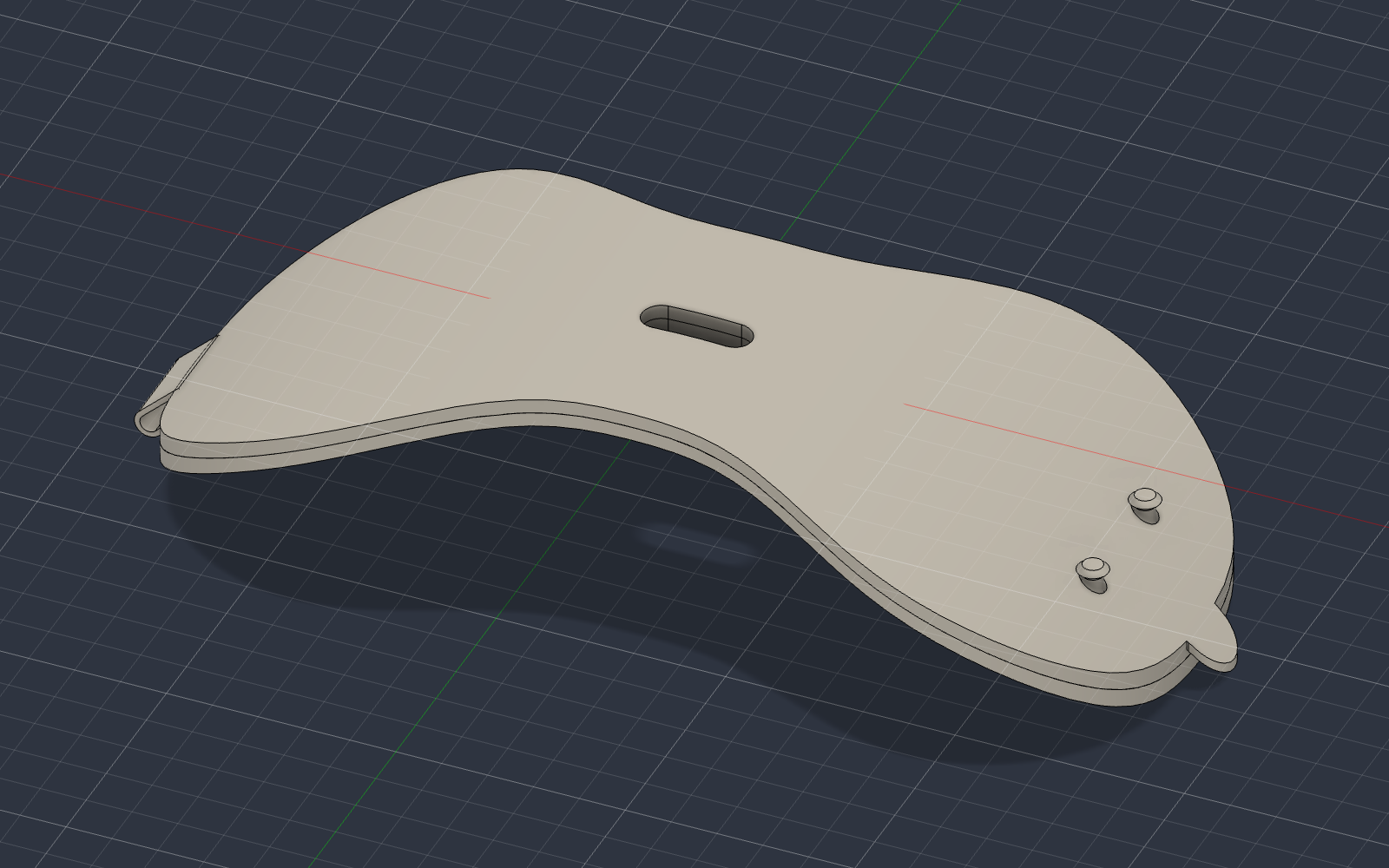
Whether it is a pharmacy roll or a branded strip, tape only keeps your mouth closed. Zzip is being designed as a shaped mouth band with a skin-friendly adhesive that also measures your breathing and snoring, so you know whether closing your mouth actually changed anything.
| Regular mouth tape | Zzip | |
|---|---|---|
| Keeps your mouth closed | ✓ | ✓ |
| Measures your breathing | — | ✓ |
| Detects snoring | — | ✓ |
| Responds to snoring | — | ✓ |
| Smart wake-up window | — | ✓ |
| Shows you the results | — | ✓ |
- Keeps your mouth closed, comfortablyA flexible silicone body with an integrated, skin-friendly adhesive, shaped around the mouth.
- Follows every breathA thermistor near the nose counts each breathing cycle directly from the warm and cool air of your breath.
- Hears snoring and respondsA microphone detects snoring; a gentle vibration is designed to encourage you to change position without waking you.
- Wakes you at a better momentA smart alarm looks for a suitable moment in the window before your alarm time.
- Your whole night on one screenOptical pulse and SpO₂ signals, movement and temperature come together in the Zzip app.
If you are curious about mouth taping, Zzip is worth following: it is the version that shows you whether it actually works for you.
Zzip is a prototype in development. Features and measurement performance are being tested. It is not a medical device and does not diagnose or treat sleep apnea or any other condition.
Frequently asked questions
Can I use Scotch tape or office tape for mouth taping?
No. Clear office tape isn’t made for skin, doesn’t breathe, has sharp edges and can irritate the lips. Use tape designed for skin instead.
Is medical tape safe for mouth taping?
Porous, hypoallergenic medical tape is a common, reasonable choice for healthy adults with a clear nose. Allergic reactions can still happen, so watch your skin.
Is micropore tape good for mouth taping?
Yes, it is one of the most commonly suggested options. It is gentle and breathable, though it may loosen on oily skin or stubble.
Can you use kinesiology tape for mouth taping?
Some people do, but it is built to stay on for days and can be harsh on the lips. A gentle medical or purpose-made tape is usually better.
What is the difference between mouth tape and normal tape?
Mouth tape uses skin-safe adhesive and is shaped for the lips, usually with an easy-release tab. Normal household tape is made for paper and packaging, not skin.
Sources
- Sleep Foundation (2026). Mouth Taping for Sleep: Does It Work?
- Houston Methodist (2025). Can Mouth Tape During Sleep Be Dangerous? On Health.
- Zeng LA, Lie SA, Chong SY (2016). Comparison of Medical Adhesive Tapes in Patients at Risk of Facial Skin Trauma under Anesthesia. Anesthesiology Research and Practice.
- Lee YC, Lu CT, Cheng WN, Li HY (2022). The Impact of Mouth-Taping in Mouth-Breathers with Mild Obstructive Sleep Apnea: A Preliminary Study. Healthcare (Basel) 10(9):1755.
- Cooper S, Oborne J, Harrison T, Tattersfield A (2009). Effect of mouth taping at night on asthma control: a randomised single-blind crossover study. Respiratory Medicine 103(6):813-9.
This article is for general information only and is not medical advice. If you have symptoms of a sleep or breathing disorder, talk to a qualified healthcare professional.