How to Know if You Snore (When You Sleep Alone, Too)
You cannot hear yourself snore, and plenty of people find out only when someone tells them, or never. Here are the clues your body leaves in the morning, how to record your nights properly, what snoring apps can and cannot tell you, and which signs mean it is time to see a doctor.
Why you cannot tell on your own
Snoring happens during sleep, when you are, by definition, not listening. Even loud snorers rarely wake themselves up with the sound. So most people find out from a partner, a roommate, a family holiday or a long flight.
It is also extremely common. The Sleep Foundation cites estimates that about 44% of middle-aged men and 28% of middle-aged women snore regularly. If you are wondering, there is a fair chance the answer is yes, at least some nights.
How to know if you snore: five ways
1. Ask a witness
The fastest route. Ask a partner, family member or roommate not just whether you snore, but how: how loud, how often, in which position, and whether the snoring ever stops and then restarts with a snort or gasp. That last detail matters most.
2. Record yourself
Cleveland Clinic suggests using an app or a noise-activated voice recorder to track snoring. A phone on the bedside table, plugged in, is enough to start. Record at least three nights, ideally including a night after alcohol and a night on your back, because snoring changes a lot from night to night.
3. Read the morning clues
Your body leaves hints. None of these proves you snore, but together they make it more likely:
- waking with a dry mouth, or a dry or sore throat;
- a drool mark on the pillow or cracked lips, which point to mouth breathing while sleeping;
- feeling unrefreshed after what should have been enough sleep;
- morning headaches.
4. Use a wearable or sleep tracker
Some watches, rings and bedside devices use a phone microphone or their own sensors to estimate snoring. They vary widely in what they actually measure. See how sleep trackers work for what these devices can and cannot detect.
5. Get a sleep study
A sleep study is the only way to see snoring together with breathing, oxygen levels and sleep stages. It is not needed for simple snoring, but it is the right step if there are warning signs.
How accurate are snoring apps?
Snoring apps listen through your phone microphone and flag sounds that match snoring patterns. Two independent validation studies give a realistic picture.
- In a 2021 study, 19 adults used a popular free snoring app at home on the same night as a medical sleep-breathing recorder. The app was accurate for spotting people who snored more than half the night (94.7% accuracy), but its positive predictive value was 66.6%, and it could not detect obstructive breathing events at all.
- In a 2022 study, a specialist listened back to 201 nights of recordings from a paid app. Overall accuracy was 95%, but on average only 65% of the sounds flagged as snoring were confirmed as snoring, and the app missed more snores on nights with a lot of snoring.
In short: apps are a useful first look, especially for heavy snoring, but they are not a diagnosis.
| Method | What it tells you | Limits |
|---|---|---|
| A witness | Loudness, position, pauses, gasping | Only while they are awake; memory is unreliable |
| Phone app or recorder | When and how much you snore, with audio to replay | Picks up other noises; cannot see breathing pauses or oxygen |
| Morning symptoms | Hints of snoring or mouth breathing | Many other causes |
| Wearable tracker | Varies: sound, movement, sometimes oxygen trends | Not designed for diagnosis |
| Sleep study | Snoring with breathing, oxygen and sleep stages | Needs a referral; one or two nights |
Getting a clean recording
- Place the phone close, on the bedside table about an arm’s length from your head, not under the pillow.
- Turn off fans or white noise for test nights, or note that they were on.
- Sleep alone if you can for a night or two, so the app is not recording your partner or a pet.
- Write a one-line note each evening: alcohol, late meal, blocked nose, which side you fell asleep on.
- Listen to the loudest clips, not just the score. Pauses followed by a loud snort are worth showing a doctor.
Is it snoring or something else?
Recordings sometimes catch sounds that are not classic snoring: groaning on breathing out, talking in sleep, teeth grinding or whistling from the nose. If you are not sure what you are hearing, keep the clip and play it for your doctor. To understand why snoring happens in the first place, read snoring causes.
When to see a doctor
Cleveland Clinic advises seeing a provider if snoring disrupts your sleep or your partner’s, if you are tired and irritable in the day, have headaches or gasp for air, or if snoring is loud, frequent or comes with pauses in breathing. These can be signs of obstructive sleep apnea. Our guide to snoring vs sleep apnea explains the difference.
Not just tape.
A mouth band that understands your night.
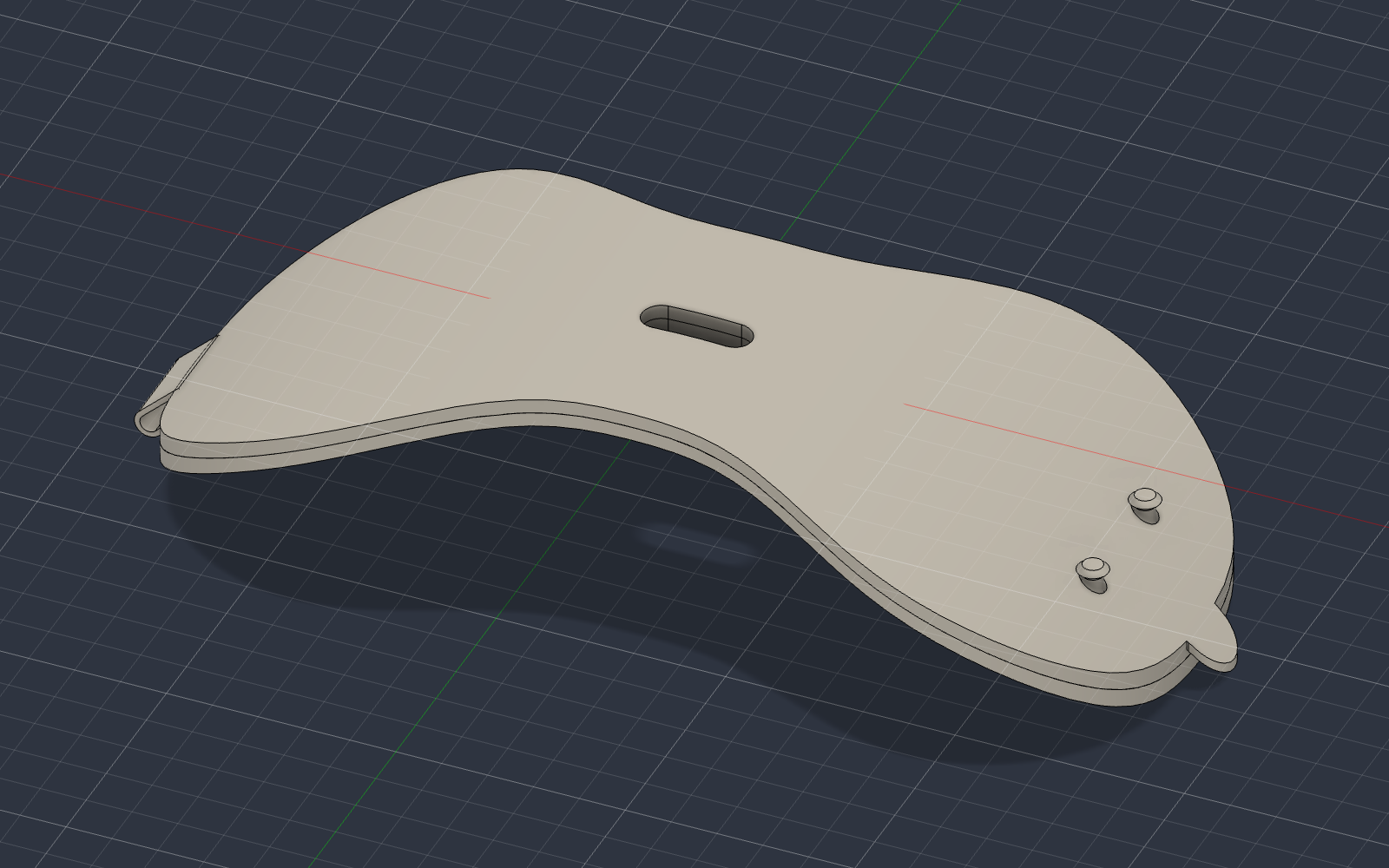
A phone on the nightstand hears the whole room. Zzip is being developed to sit right at the source: a microphone and a breathing sensor at the mouth and nose, designed to tell your snoring apart from the room and to show whether it happens while your mouth is open.
| Regular mouth tape | Zzip | |
|---|---|---|
| Keeps your mouth closed | ✓ | ✓ |
| Measures your breathing | — | ✓ |
| Detects snoring | — | ✓ |
| Responds to snoring | — | ✓ |
| Smart wake-up window | — | ✓ |
| Shows you the results | — | ✓ |
- Keeps your mouth closed, comfortablyA flexible silicone body with an integrated, skin-friendly adhesive, shaped around the mouth.
- Follows every breathA thermistor near the nose counts each breathing cycle directly from the warm and cool air of your breath.
- Hears snoring and respondsA microphone detects snoring; a gentle vibration is designed to encourage you to change position without waking you.
- Wakes you at a better momentA smart alarm looks for a suitable moment in the window before your alarm time.
- Your whole night on one screenOptical pulse and SpO₂ signals, movement and temperature come together in the Zzip app.
If you are curious about mouth taping, Zzip is worth following: it is the version that shows you whether it actually works for you.
Zzip is a prototype in development. Features and measurement performance are being tested. It is not a medical device and does not diagnose or treat sleep apnea or any other condition.
Frequently asked questions
How do I know if I snore if I sleep alone?
Record yourself for a few nights with a snoring app or a sound-activated recorder, and pay attention to morning clues like a dry mouth or sore throat. Listen back to the loudest moments rather than relying only on a score.
Do snoring apps actually work?
For heavy snoring, reasonably well. Validation studies found good overall accuracy, but apps can mistake other noises for snoring, miss some snores and cannot detect breathing pauses or oxygen levels.
Can you snore without knowing it?
Yes, almost always. Snoring rarely wakes the snorer, which is why most people learn about it from someone else or from a recording.
Is waking up with a dry mouth a sign of snoring?
It can be, especially if you breathe through your mouth at night. But dry mouth also has other causes, such as medications or a dry bedroom, so it is a clue, not proof.
Can a smartwatch tell if I snore?
Some can estimate snoring using a microphone, but accuracy varies and they are not medical tests. If snoring comes with pauses or gasping, a sleep study is the reliable option.
Sources
- Cleveland Clinic. Snoring: Causes, Treatments & When To Worry.
- Sleep Foundation. How to Stop Snoring: Expert Tips for Quieter Sleep.
- Klaus K, Stummer AL, Ruf S (2021). Accuracy of a Smartphone Application Measuring Snoring in Adults: How Smart Is It Actually? International Journal of Environmental Research and Public Health 18(14):7326.
- Chiang JK, Lin YC, Lin CW et al. (2022). Validation of snoring detection using a smartphone app. Sleep & Breathing 26:81–87.
This article is for general information only and is not medical advice. If you have symptoms of a sleep or breathing disorder, talk to a qualified healthcare professional.