Normal Blood Oxygen Level While Sleeping: What Your SpO₂ Should Be
Your tracker shows your blood oxygen dipped to 89% at 3 a.m. Should you worry? Here is what normal SpO₂ looks like during sleep according to research, which numbers matter more than the lowest point, and how much to trust a reading from a watch or ring.
What SpO₂ means
SpO₂ is the percentage of hemoglobin in your blood that is carrying oxygen, measured through the skin with light (pulse oximetry). A fingertip clip in a clinic and the sensor on the back of a watch work on the same principle: they shine red and infrared light into the skin and compare how much comes back with each heartbeat.
While you are awake and at rest, healthy readings typically sit between 95% and 100%. During sleep your breathing slows and becomes shallower, so oxygen levels drift slightly lower.
Normal blood oxygen level while sleeping
The best-known reference comes from a 1996 study of 350 people aged 1 month to 85 years whose overnight sleep studies were completely normal. Researchers looked at three numbers:
- Median SpO₂ (the typical level through the night): 96.5% on average.
- The level they spent 90% of the night above: 94.7% on average.
- The lowest single reading: 90.4% on average, with a fair amount of variation between people.
People over 60 ran a little lower, with a median of 95.1%. Sex, race and body weight made no difference in this group. So a normal blood oxygen level while sleeping is mostly in the mid-90s, with short dips that can touch around 90% even in healthy people.
| Overnight SpO₂ | What it usually means |
|---|---|
| 95–100% most of the night | Normal |
| Brief dips to around 90% | Can be normal in healthy sleepers |
| Repeated dips of 3–4% or more | Worth looking at: a possible sign of disturbed breathing |
| At or below 88% for 5+ minutes | A recognised warning sign; talk to a doctor |
| Consistently below 93%, or symptoms | The Sleep Foundation advises contacting a healthcare provider |
People with chronic lung disease, and anyone sleeping at high altitude, may have a different normal range. Their doctor should set personal targets.
Why the lowest number is not the whole story
Trackers love to show your single lowest value. It is the least reliable number on the screen, because one bad reading from a shifted sensor or a cold hand can produce it. Sleep specialists pay more attention to patterns:
Oxygen desaturation index (ODI)
The ODI counts how many times per hour your oxygen briefly falls, typically by 3% or 4% from your baseline. A sleep research task force notes that the threshold must always be stated, because a 3% rule counts more events than a 4% rule. Frequent, repeated dips that recover with each breath are the classic pattern of sleep apnea.
Time below 90%
Some reports show how many minutes you spent under 90% (often called T90). A few minutes in short dips is different from a long stretch.
Sustained low levels
The Sleep Foundation describes oxygen at or below 88% for five minutes or more during sleep as a sign that may point to a sleep-related breathing disorder.
What causes low oxygen at night
- Obstructive sleep apnea, where the airway repeatedly narrows or closes. See sleep apnea symptoms.
- Central sleep apnea, where the brain briefly stops signalling to breathe.
- Lung conditions such as COPD or asthma, and respiratory infections.
- Obesity hypoventilation, high altitude and smoking.
- Alcohol, sedatives, opioids and some sleeping pills, which can slow breathing.
Can you trust SpO₂ from a watch or ring?
Treat it as a trend, not a measurement. The FDA notes that over-the-counter wellness devices are not reviewed by the agency and are not meant for clinical decisions. It also lists poor circulation, skin pigmentation, skin thickness, skin temperature, smoking and nail polish as factors that can affect pulse oximeter accuracy.
Independent testing shows why caution is sensible. A 2023 study compared several consumer smartwatches with a clinical-grade pulse oximeter in 49 adults, including people with lung disease. The average error ranged from about 2% for the best device to almost 6% for the worst, and between roughly 11% and 30% of attempted readings failed altogether depending on the device. Overnight readings are also affected by how you lie on the sensor and how still you are.
To understand how these sensors work and what else they estimate, see how sleep trackers work.
When to talk to a doctor
A single low dip is rarely meaningful on its own. Talk to a doctor if:
- your tracker shows frequent dips or low readings night after night;
- someone has noticed snoring with pauses, gasping or choking;
- you wake with headaches, feel very sleepy in the day or wake unrefreshed;
- you have shortness of breath, chest pain or a blue tinge to your lips or nails, which needs prompt care.
A sleep study measures oxygen together with airflow, breathing effort and sleep stages, which is what turns a number into a diagnosis. Our guide to snoring vs sleep apnea explains the next steps.
Not just tape.
A mouth band that understands your night.
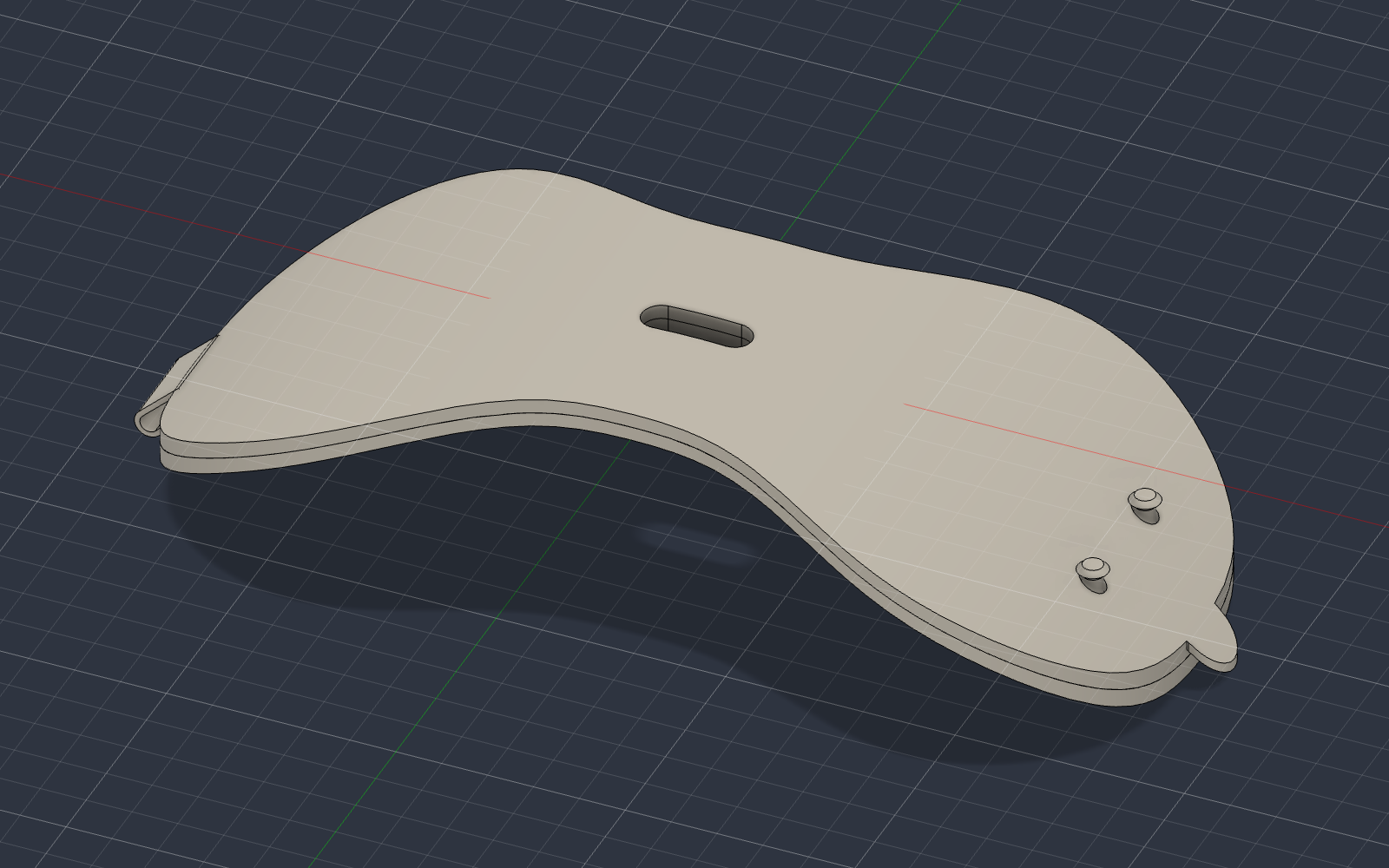
An oxygen dip on its own does not say why it happened. Zzip is being developed to put SpO₂ next to the signals that explain it: each breath at the nose, snoring and mouth breathing, so a dip comes with context instead of worry.
| Regular mouth tape | Zzip | |
|---|---|---|
| Keeps your mouth closed | ✓ | ✓ |
| Measures your breathing | — | ✓ |
| Detects snoring | — | ✓ |
| Responds to snoring | — | ✓ |
| Smart wake-up window | — | ✓ |
| Shows you the results | — | ✓ |
- Keeps your mouth closed, comfortablyA flexible silicone body with an integrated, skin-friendly adhesive, shaped around the mouth.
- Follows every breathA thermistor near the nose counts each breathing cycle directly from the warm and cool air of your breath.
- Hears snoring and respondsA microphone detects snoring; a gentle vibration is designed to encourage you to change position without waking you.
- Wakes you at a better momentA smart alarm looks for a suitable moment in the window before your alarm time.
- Your whole night on one screenOptical pulse and SpO₂ signals, movement and temperature come together in the Zzip app.
If you are curious about mouth taping, Zzip is worth following: it is the version that shows you whether it actually works for you.
Zzip is a prototype in development. Features and measurement performance are being tested. It is not a medical device and does not diagnose or treat sleep apnea or any other condition.
Frequently asked questions
What is a normal oxygen level while sleeping?
Usually in the mid-90s. In healthy people, the median during sleep was about 96.5%, and about 95% for those over 60. Brief dips toward 90% can be normal.
Is 90% oxygen while sleeping OK?
A brief dip to 90% can happen in healthy sleepers. Staying around 90% or lower for long periods, or dipping repeatedly, is worth discussing with a doctor.
What oxygen level is too low during sleep?
Levels at or below 88% for five minutes or more are a recognised warning sign. The Sleep Foundation advises contacting a provider if levels are consistently below 93% and seeking prompt care at 88% or below, especially with symptoms.
Does oxygen drop during sleep normally?
Yes, slightly. Breathing becomes slower and shallower in sleep, so SpO₂ usually runs a little lower than when you are awake.
Can a smartwatch detect low oxygen during sleep?
It can show trends and flag nights worth checking, but readings can be off by several percentage points and some fail entirely. It is not a medical test.
What does ODI mean on my sleep report?
ODI is the oxygen desaturation index: the number of times per hour your oxygen drops by a set amount, usually 3% or 4%. Higher values suggest more frequent breathing disturbances.
Sources
- Gries RE, Brooks LJ (1996). Normal oxyhemoglobin saturation during sleep. How low does it go? Chest 110(6):1489–1492.
- Sleep Foundation. Normal Oxygen Levels While Sleeping.
- Malhotra A, Ayappa I, Ayas N et al. (2021). Metrics of sleep apnea severity: beyond the apnea-hypopnea index. Sleep 44(7):zsab030.
- Jiang Y, Spies C, Magin J, Bhosai SJ, Snyder L, Dunn J (2023). Investigating the accuracy of blood oxygen saturation measurements in common consumer smartwatches. PLOS Digital Health 2(7):e0000296.
- U.S. Food and Drug Administration. Pulse Oximeter Basics.
This article is for general information only and is not medical advice. If you have symptoms of a sleep or breathing disorder, talk to a qualified healthcare professional.