Normal Breathing Rate While Sleeping: What Is Healthy and When to Worry
Your tracker says you took 14.6 breaths per minute last night. Is that good? Here are the normal ranges by age, how breathing changes from deep sleep to REM, how wearables estimate it, and the changes that are worth a closer look.
Normal breathing rate while sleeping, by age
Breathing rate (respiratory rate) is the number of breaths you take per minute. The Sleep Foundation gives these typical ranges for sleep:
| Age | Breaths per minute during sleep |
|---|---|
| Babies up to 12 months | 30–60 |
| 1–2 years | 24–40 |
| 3–5 years | 22–34 |
| 6–12 years | 18–30 |
| 13–17 years | 13–21 |
| Adults | 12–20 |
| Adults over 60 | 12–28 |
So a normal breathing rate while sleeping for an adult sits in the low to mid-teens for most people. Ranges published for awake adults at rest vary slightly between sources, so treat the edges as soft.
What large wearable datasets show
A 2021 study estimated nightly breathing rate from the heart rhythm of 10,000 wearable users aged 20 to 69 over two weeks. It found:
- an average of 15.4 breaths per minute, with 90% of values between 11.8 and 19.2;
- women under 50 breathed slightly faster than men, with no difference after 50;
- rates fell slightly with age, for example from 16.7 to 14.8 on average in women between their early twenties and late sixties;
- a typical person’s rate varied by only about 4 to 6% from night to night under age 60, with more variation in older groups.
That last point is the useful one: breathing rate during sleep is one of the most stable numbers your body produces. That is why a change from your own baseline can be more informative than the number itself.
How breathing changes through the night
Breathing during sleep is controlled automatically, and it shifts with each stage.
Deep sleep (N3)
Breathing becomes very even. The Sleep Foundation describes breathing as becoming less variable with each deeper stage of non-REM sleep. This is why many wearables measure breathing rate during deep sleep, when the signal is cleanest.
REM sleep
Breathing becomes faster and more irregular, in step with dreaming and the changing activity of the brain. Short irregularities in REM are normal.
Less air overall
A classic lab study of 19 healthy adults found that the total amount of air breathed per minute fell in every stage of sleep compared with being awake, and was lowest in REM. Breathing also became shallower: in REM, each breath was about 73% of its waking size. That small drop in ventilation is one reason blood oxygen runs a little lower at night. See blood oxygen levels during sleep.
Interestingly, the same study found the breathing pattern was slightly faster during sleep than during wakefulness, while other sources describe slower breathing in sleep. The overall change in rate is modest either way; depth and regularity change more.
How trackers measure breathing rate
Most consumer wearables do not measure airflow. They estimate breathing rate indirectly:
- From the heart rhythm. Your heart speeds up slightly as you breathe in and slows as you breathe out. Watches and rings detect this rhythm in the pulse and convert it into breaths per minute. In the 2021 study, this method was within about 0.65 breaths per minute of nasal airflow readings from sleep studies in 28 people.
- From chest movement. Bed sensors and bedside radar devices pick up the rise and fall of the chest.
- From sound. Some phone apps listen for breathing and snoring.
- From airflow. Sleep labs use sensors at the nose and mouth to measure the air itself.
Indirect methods work best when you are still and asleep. They also report one number for the night, which can hide brief pauses. For a broader look at what trackers can and cannot see, read how sleep trackers work.
When breathing rate during sleep is worth a closer look
One night slightly above or below the range is rarely meaningful. Look instead for:
- A sustained rise from your baseline. In the 2021 study, a third of people with symptomatic COVID-19 had at least one night with a rate 3 or more breaths per minute above their usual level. Fever, infections, heart and lung conditions and anxiety can all raise breathing rate.
- A sustained low rate, especially with sedatives, opioids or alcohol, which can slow breathing.
- Pauses in breathing. In sleep medicine, an apnea is a pause in airflow lasting 10 seconds or more. Repeated pauses with snoring or gasping can be a sign of sleep apnea, and they may not show up in an average breathing rate. See sleep apnea symptoms.
- Breathing through the mouth. Rate does not tell you how you breathe. Mouth breathing at night is linked to dry mouth and snoring, as explained in mouth breathing vs nose breathing.
Seek urgent help for anyone whose breathing is very fast and laboured, who has blue or grey lips or nails, chest pain, or who is hard to wake. For children, check the age range above and talk to a doctor if a sleeping child often breathes fast, snores or pauses.
Not just tape.
A mouth band that understands your night.
Most trackers estimate breathing from your heartbeat. Zzip is being developed to count it directly: a thermistor near the nose is designed to follow each breath from the warm and cool air, so breathing rate, pauses and mouth breathing come from the breath itself.
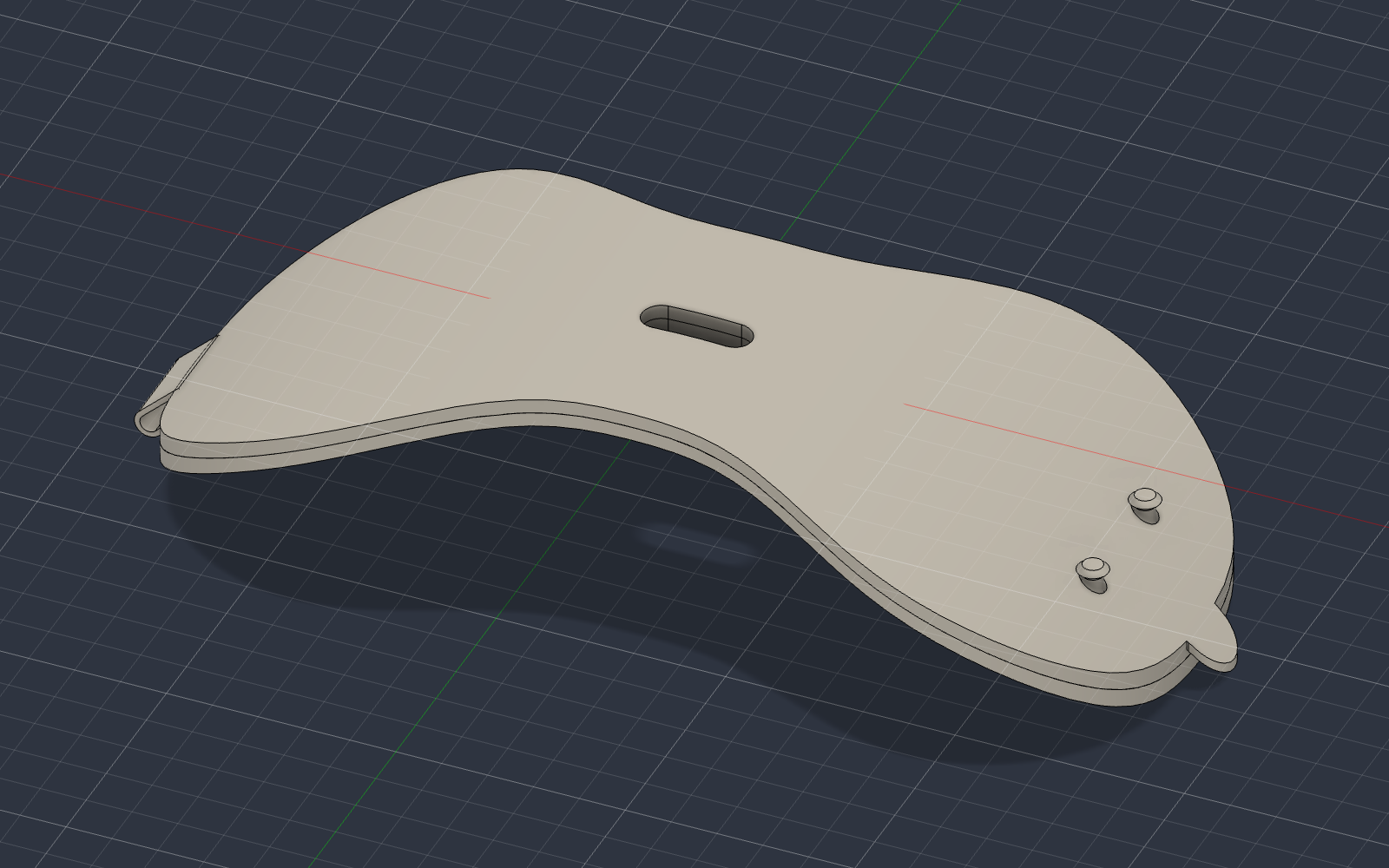
| Regular mouth tape | Zzip | |
|---|---|---|
| Keeps your mouth closed | ✓ | ✓ |
| Measures your breathing | — | ✓ |
| Detects snoring | — | ✓ |
| Responds to snoring | — | ✓ |
| Smart wake-up window | — | ✓ |
| Shows you the results | — | ✓ |
- Keeps your mouth closed, comfortablyA flexible silicone body with an integrated, skin-friendly adhesive, shaped around the mouth.
- Follows every breathA thermistor near the nose counts each breathing cycle directly from the warm and cool air of your breath.
- Hears snoring and respondsA microphone detects snoring; a gentle vibration is designed to encourage you to change position without waking you.
- Wakes you at a better momentA smart alarm looks for a suitable moment in the window before your alarm time.
- Your whole night on one screenOptical pulse and SpO₂ signals, movement and temperature come together in the Zzip app.
If you are curious about mouth taping, Zzip is worth following: it is the version that shows you whether it actually works for you.
Zzip is a prototype in development. Features and measurement performance are being tested. It is not a medical device and does not diagnose or treat sleep apnea or any other condition.
Frequently asked questions
What is a normal breathing rate while sleeping for adults?
About 12 to 20 breaths per minute. Large wearable datasets put the average around 15 breaths per minute, with most healthy adults between about 12 and 19.
Is 10 breaths per minute while sleeping normal?
It is below the usual adult range, but some healthy people run low. If it is a consistent change from your own baseline, or you take sedating medications, talk to a doctor.
Is 22 breaths per minute while sleeping too high?
For an adult it is above the typical range. A one-off reading may be noise, but a sustained increase can come with fever, infection, heart or lung problems and should be checked.
Does breathing slow down during sleep?
Breathing becomes shallower and moves less air overall, especially in REM sleep. The rate itself changes only modestly and is most regular in deep sleep.
Why is my breathing irregular during REM sleep?
REM is the dreaming stage, and breathing naturally becomes faster and less regular. Brief irregularity in REM is normal; repeated pauses with snoring or gasping are not.
How accurate is breathing rate on a smartwatch?
For an overnight average in a still sleeper, heart-rhythm methods can be close to sleep lab measurements. They are less reliable for detecting brief pauses or how you breathe.
Sources
- Sleep Foundation. Respiratory Rate While Sleeping.
- Natarajan A, Su HW, Heneghan C, Blunt L, O’Connor C, Niehaus L (2021). Measurement of respiratory rate using wearable devices and applications to COVID-19 detection. npj Digital Medicine 4:136.
- Douglas NJ, White DP, Pickett CK, Weil JV, Zwillich CW (1982). Respiration during sleep in normal man. Thorax 37(11):840–844.
- Mbata G, Chukwuka J (2012). Obstructive Sleep Apnea Hypopnea Syndrome. Annals of Medical and Health Sciences Research 2(1):74–77.
This article is for general information only and is not medical advice. If you have symptoms of a sleep or breathing disorder, talk to a qualified healthcare professional.