Sleep Tracker Ring vs Watch: Which Is Better for Tracking Sleep?
Rings and watches promise the same thing: a clear picture of your night. They use similar sensors in very different places, and that shapes comfort, battery life and what you can do with them. Here is how they really compare, and what both of them miss.
Same sensors, different places
Rings and watches share the same core toolkit: an accelerometer for movement, an optical (PPG) sensor that reads your pulse with light, often red and infrared light for blood oxygen estimates, and usually a temperature sensor. Both feed those signals into an algorithm that estimates sleep and sleep stages. If you want the details of how that works, see how sleep trackers work.
The big difference is location. A watch reads from the back of the wrist; a ring reads from the base of a finger. Clinical pulse oximeters clip onto a fingertip, which is one reason ring makers emphasise the finger. Whether that translates into better sleep data is less clear than the marketing suggests, as the studies below show.
Sleep tracker ring vs watch: side by side
| Ring | Watch | |
|---|---|---|
| Comfort in bed | Small and light; most people forget it | Bulkier; some people take it off at night |
| Battery | Usually lasts longer between charges | Varies widely; many models need charging more often |
| Screen | None; data lives in the app | Yes; time, notifications, quick stats |
| Silent alarm | Depends on the model | Common: vibrates on the wrist |
| Daytime use | Mostly passive tracking | Workouts, GPS, apps, payments |
| Sleep detection | High in studies | High in studies |
| Sleep stages | Fair to good, varies by model | Fair to good, varies by model |
| Breathing airflow, snoring source | Not measured | Not measured |
What the accuracy studies show
Rings and watches tested together
A 2024 lab study compared one ring and two watches against polysomnography in 35 healthy adults. All three detected sleep with at least 95% sensitivity. For sleep stages, sensitivity ranged from about 50% to 86%. The ring’s stage estimates were not significantly different from the lab, while the two watches over- or underestimated light and deep sleep by between about 15 and 45 minutes. One important caveat: the ring’s maker funded the study, and the lead author is on its advisory board. The authors also note it covered a single night in healthy adults.
Rings are not automatically better
An earlier study of a ring in 53 adolescents over multiple nights found it underestimated total sleep by around 33 to 47 minutes and misjudged several sleep stages, although its sleep and wake accuracy was comparable to a research-grade actigraph. Newer software has improved since then, which is the point: the algorithm version can matter as much as the hardware.
Watches vary widely
A 2025 study of six wrist-worn devices in 62 adults found all of them detected more than 90% of sleep, but they struggled to recognise time awake (specificity about 29% to 52%), and agreement on stages ranged from fair to moderate between devices.
Bottom line: in the sleep tracker ring vs watch debate, accuracy depends more on the specific model and software than on whether it sits on your finger or wrist. Look for recent, independent validation of the exact device you are considering.
Comfort and consistency matter more than you think
A tracker only helps if it is on you every night. People who find a watch annoying in bed tend to take it off, and a missing week of data is worse than a slightly less precise device. Rings win here for many people. On the other hand, if you want a silent wrist alarm or you already wear a watch all day, a watch keeps everything in one place. For how wake-up timing works, see our guide to the smart alarm and sleep cycles.
What neither a ring nor a watch can measure
- Brain activity. Sleep stages are inferred from movement and heart signals, not measured from EEG as in a sleep lab.
- Airflow. Neither sees air moving through your nose or mouth, so neither can tell you if you breathe through your mouth at night.
- Where snoring comes from. Some devices use a phone microphone to estimate snoring, but that hears the whole room. See how to know if you snore.
- A diagnosis. The American Academy of Sleep Medicine states that consumer sleep technology cannot be used to diagnose or treat sleep disorders.
Both can report overnight blood oxygen trends. Those are useful context but not a medical test, as explained in blood oxygen levels during sleep.
Other options: bed sensors, phone apps and face-worn bands
Rings and watches are not the only choice. Bed sensors under the mattress and bedside radar devices track movement and breathing without anything on your body. Phone apps use the microphone and motion. Face-worn bands sit closer to the head and airway and can capture signals a wrist cannot. Each form factor trades comfort, convenience and the signals it can reach.
How to choose
- Want sleep data with as little friction as possible? A ring is often the easier fit.
- Want one device for workouts, notifications and sleep? A watch makes more sense.
- Care most about snoring or breathing? Neither is built for that. Look at devices designed to sense sound and airflow.
- Whatever you pick, check for an independent study of that exact model, and judge it on weeks of trends, not single nights.
Not just tape.
A mouth band that understands your night.
Rings and watches read your pulse, but your breathing happens at your nose and mouth. Zzip is being developed as a face-worn form factor: a mouth band designed to measure airflow, snoring and mouth breathing directly, alongside pulse, SpO₂ and movement.
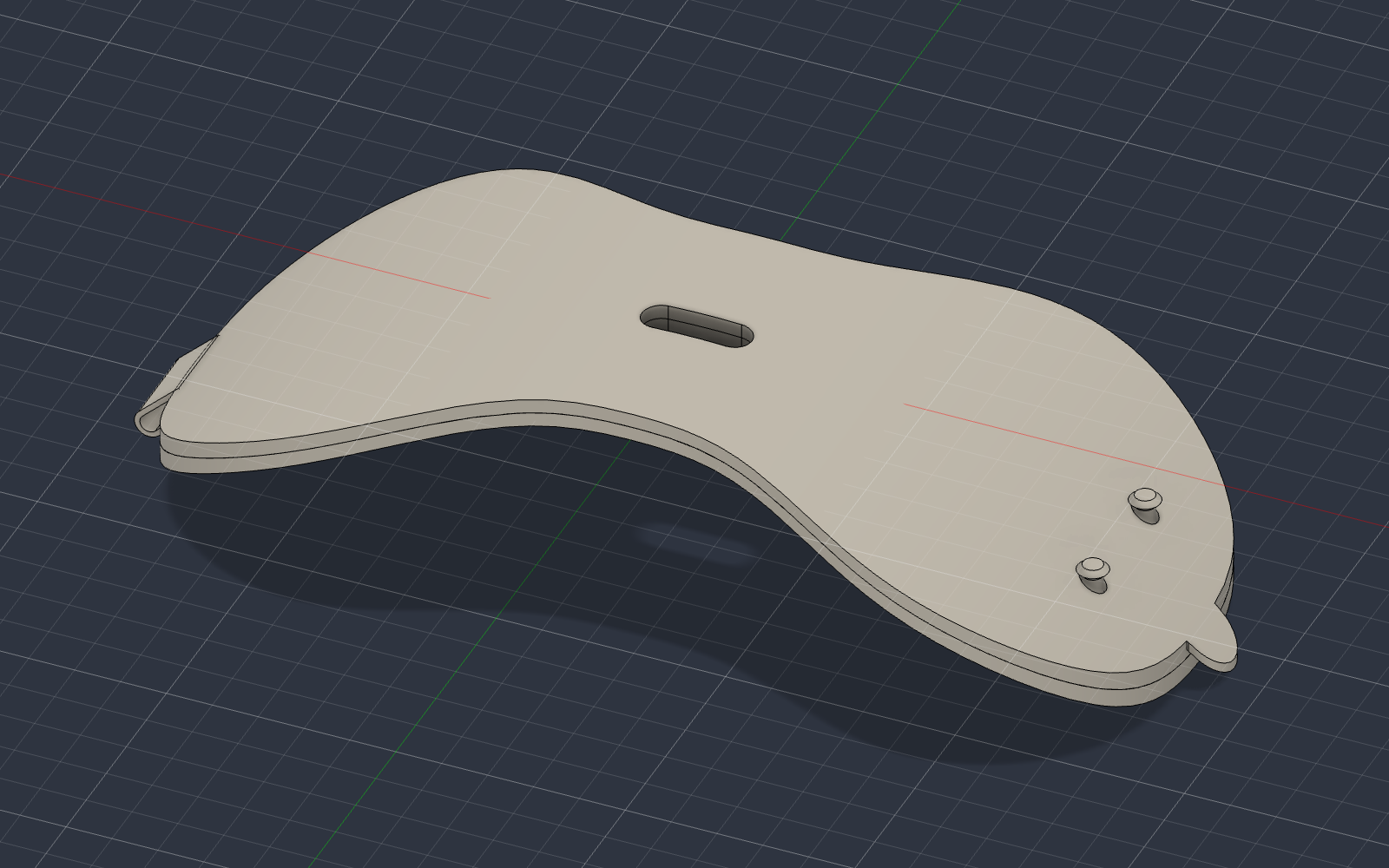
| Regular mouth tape | Zzip | |
|---|---|---|
| Keeps your mouth closed | ✓ | ✓ |
| Measures your breathing | — | ✓ |
| Detects snoring | — | ✓ |
| Responds to snoring | — | ✓ |
| Smart wake-up window | — | ✓ |
| Shows you the results | — | ✓ |
- Keeps your mouth closed, comfortablyA flexible silicone body with an integrated, skin-friendly adhesive, shaped around the mouth.
- Follows every breathA thermistor near the nose counts each breathing cycle directly from the warm and cool air of your breath.
- Hears snoring and respondsA microphone detects snoring; a gentle vibration is designed to encourage you to change position without waking you.
- Wakes you at a better momentA smart alarm looks for a suitable moment in the window before your alarm time.
- Your whole night on one screenOptical pulse and SpO₂ signals, movement and temperature come together in the Zzip app.
If you are curious about mouth taping, Zzip is worth following: it is the version that shows you whether it actually works for you.
Zzip is a prototype in development. Features and measurement performance are being tested. It is not a medical device and does not diagnose or treat sleep apnea or any other condition.
Frequently asked questions
Is a ring or a watch more accurate for sleep?
Studies do not show a consistent winner. Both detect sleep well, and stage accuracy varies more between individual models and software versions than between rings and watches as categories.
Is it OK to wear a smartwatch to bed?
Yes, for most people. If it disturbs your sleep, loosen the strap, dim the screen or switch to a lighter device. Wearing it consistently matters more than which one you choose.
Which finger should I wear a sleep ring on?
Follow the maker’s guidance. In the 2024 lab study above, the ring was worn on the index finger of the non-dominant hand. A snug but comfortable fit keeps the sensor in contact with the skin.
Can a ring or watch detect sleep apnea?
They may flag patterns such as oxygen dips that are worth discussing with a doctor, but they are not diagnostic. Sleep apnea is diagnosed with a sleep study or a home sleep apnea test.
Do I need both a ring and a watch?
No. Two devices with different algorithms often disagree and can make the data harder to interpret. Pick one and use it consistently.
Sources
- Robbins R, Weaver MD, Sullivan JP et al. (2024). Accuracy of Three Commercial Wearable Devices for Sleep Tracking in Healthy Adults. Sensors 24(20):6532.
- Chee NIYN, Ghorbani S, Golkashani HA et al. (2021). Multi-Night Validation of a Sleep Tracking Ring in Adolescents Compared with a Research Actigraph and Polysomnography. Nature and Science of Sleep 13:177–190.
- Schyvens AM, Peters B, Van Oost NC et al. (2025). A performance validation of six commercial wrist-worn wearable sleep-tracking devices for sleep stage scoring compared to polysomnography. Sleep Advances 6:zpaf021.
- Khosla S, Deak MC, Gault D et al. (2018). Consumer Sleep Technology: An American Academy of Sleep Medicine Position Statement. Journal of Clinical Sleep Medicine 14(5):877–880.
This article is for general information only and is not medical advice. If you have symptoms of a sleep or breathing disorder, talk to a qualified healthcare professional.