Smart Alarm and Sleep Cycles: Can You Wake Up in Light Sleep?
Some mornings you spring out of bed; others you feel like you have been hit by a truck, after the same amount of sleep. Smart alarms promise to fix that by waking you at the right moment in your sleep cycle. Here is how they work, what the science supports, and where the promise runs ahead of the evidence.
Your sleep cycle in brief
Sleep is not one flat state. According to the Sleep Foundation, you move through cycles of about 90 minutes on average, with the first often shorter (70 to 100 minutes) and later ones running 90 to 120 minutes. A typical night has four to six cycles.
- N1: the lightest stage, as you drift off.
- N2: light but stable sleep, about half of the night in adults.
- N3: deep, slow-wave sleep, concentrated in the first half of the night.
- REM: dreaming sleep, which grows longer toward morning. The longest REM periods come in the second half of the night.
The Sleep Foundation notes that the deeper the NREM stage, the harder it is to wake someone up. That is the starting point for every smart alarm.
What is sleep inertia?
Sleep inertia is the groggy, slow, foggy feeling right after waking. A 2019 review in Nature and Science of Sleep describes it as a real drop in cognitive performance that fades as you stay awake. Many studies see most of the recovery within 15 to 30 minutes, but full recovery can take an hour or longer.
Several things make it worse:
- Sleep loss. In one study cited by the review, people limited to about 5.6 hours of sleep performed 10% worse right after waking and had not recovered after 70 minutes.
- Waking at your body clock’s low point, such as the middle of the night.
- Waking from deep sleep. Several studies found worse performance after waking from slow-wave sleep than from lighter N2 sleep. Others found no link, so the effect seems strongest after longer naps or when you are already short on sleep.
How a smart alarm works
A smart alarm, sometimes called a sleep cycle alarm, follows a simple rule:
- You set a latest wake time, for example 7:00, and a window, for example 30 minutes.
- From 6:30, the device watches signals such as movement, heart rate or breathing for signs of lighter sleep.
- When it decides you are in a lighter phase, it wakes you, often with a gentle vibration or rising sound.
- If it never finds a good moment, it wakes you at 7:00 anyway.
So a smart alarm never lets you sleep later. It only chooses whether to wake you a little earlier.
| Regular alarm | Smart alarm | |
|---|---|---|
| When it rings | At a fixed time | Within a window before your set time |
| Needs a tracker | No | Yes: phone, watch, ring, bed sensor or face-worn device |
| Can wake you from deep sleep | Yes, by chance | Less likely, if stage detection works |
| Can cost you sleep | No | Up to the length of the window |
| Evidence it reduces grogginess | Not applicable | Plausible, but direct trials are limited |
Does a sleep cycle alarm actually work?
The logic holds up; the proof is thin. Two problems stand between the idea and the result.
1. Detecting light sleep is hard
Consumer trackers do not read brain waves. In a lab study of seven consumer devices, all were good at detecting sleep, but their sleep stage estimates were inconsistent, and they did worse on nights with disrupted sleep. If the device cannot tell N2 from N3 reliably, it cannot reliably avoid deep sleep. See how sleep trackers work for why.
2. By morning, deep sleep is rare anyway
Deep sleep clusters in the first half of the night, while the final hours are mostly N2 and REM. On a normal night, a fixed morning alarm is less likely to catch you in deep sleep than an alarm in the middle of the night. The benefit of timing may be biggest when you are short on sleep or wake very early.
Direct evidence for smart alarms is limited. One 2024 lab study tested a bedroom “smart” alarm that combined light, sound and temperature against a regular alarm over four nights, and found little overall effect on grogginess, although chronotype and the length of light exposure made a difference for some people. That system did not track sleep stages, which shows how much is still untested.
How to wake up less groggy, with or without a smart alarm
- Get enough sleep. Sleep loss makes inertia stronger and longer. No alarm fixes a short night.
- Keep a regular wake time, including most weekends, so your body clock expects it.
- Get light early. Open the curtains or step outside soon after waking.
- Do not judge the day by the first 15 minutes. Some grogginess is normal and fades.
- Skip the snooze cycle if it leaves you drifting back into sleep repeatedly.
- Look at what disrupts your night. Late alcohol, snoring and broken breathing all fragment sleep. Our guide on breathing rate during sleep covers what changes overnight.
Choosing a smart alarm
Smart alarms come in phone apps, watches, some rings, bed sensors and face-worn devices. The form factor decides which signals it can use: a phone hears movement and sound, a wrist device reads movement and pulse, a device near the face can follow breathing. A vibration on the body wakes only you, which matters if you share a bed. For the trade-offs between devices, see sleep tracker ring vs watch.
Not just tape.
A mouth band that understands your night.
A smart alarm is only as good as what it can sense. Zzip’s smart wake window is being developed to use breathing and movement measured at the face, looking for a lighter moment before your alarm time and waking you with a gentle vibration.
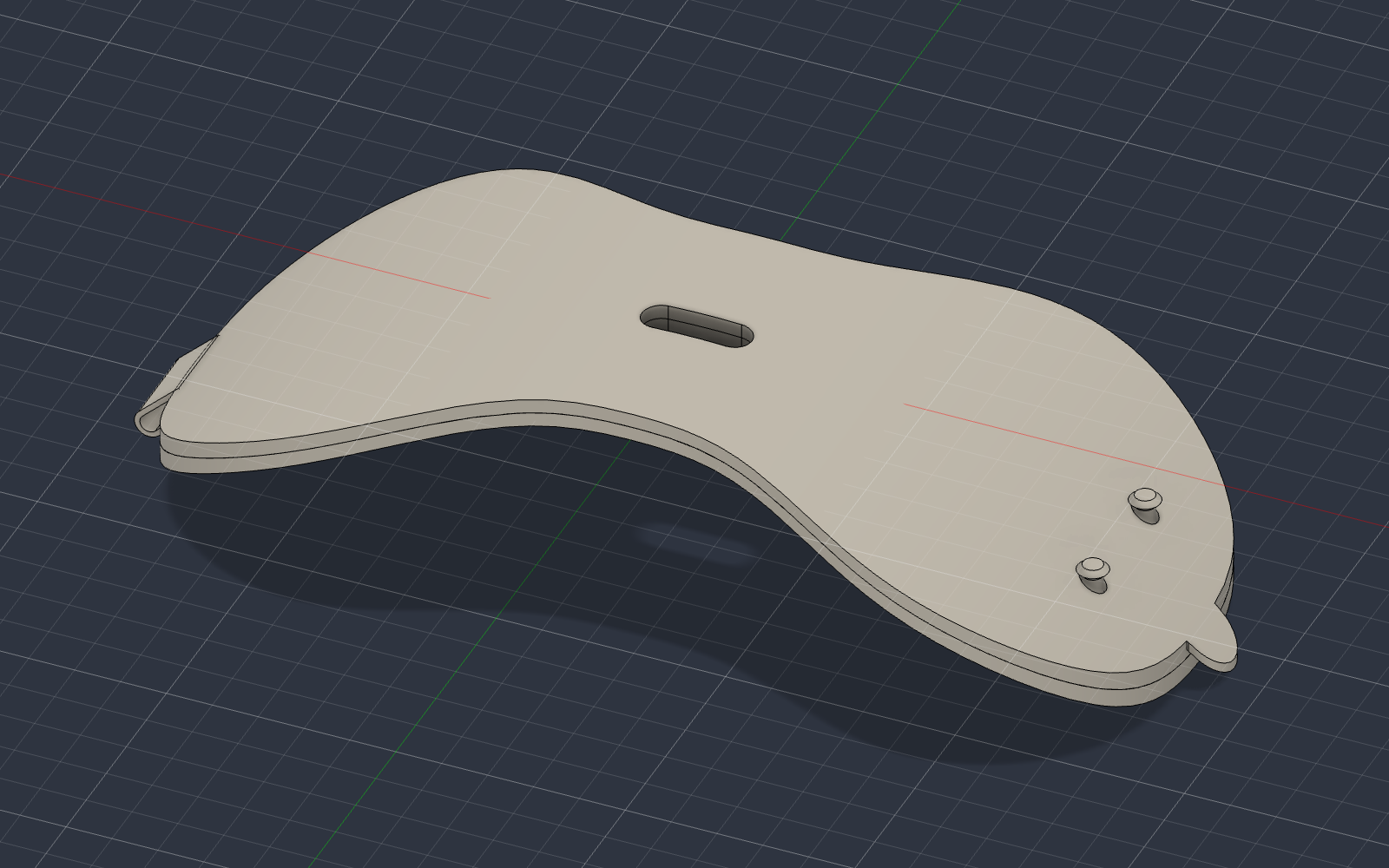
| Regular mouth tape | Zzip | |
|---|---|---|
| Keeps your mouth closed | ✓ | ✓ |
| Measures your breathing | — | ✓ |
| Detects snoring | — | ✓ |
| Responds to snoring | — | ✓ |
| Smart wake-up window | — | ✓ |
| Shows you the results | — | ✓ |
- Keeps your mouth closed, comfortablyA flexible silicone body with an integrated, skin-friendly adhesive, shaped around the mouth.
- Follows every breathA thermistor near the nose counts each breathing cycle directly from the warm and cool air of your breath.
- Hears snoring and respondsA microphone detects snoring; a gentle vibration is designed to encourage you to change position without waking you.
- Wakes you at a better momentA smart alarm looks for a suitable moment in the window before your alarm time.
- Your whole night on one screenOptical pulse and SpO₂ signals, movement and temperature come together in the Zzip app.
If you are curious about mouth taping, Zzip is worth following: it is the version that shows you whether it actually works for you.
Zzip is a prototype in development. Features and measurement performance are being tested. It is not a medical device and does not diagnose or treat sleep apnea or any other condition.
Frequently asked questions
Is it better to wake up in light sleep?
Generally, yes. Studies link waking from deep, slow-wave sleep to stronger grogginess than waking from lighter sleep, although results are not fully consistent and the effect is strongest when you are sleep-deprived.
Do smart alarms really work?
The principle is reasonable, but consumer devices estimate sleep stages imperfectly and there are few direct trials. Many people like them; the measurable benefit is not yet well established.
How long is a sleep cycle?
About 90 minutes on average. The first cycle is often 70 to 100 minutes and later ones 90 to 120 minutes, with four to six cycles in a typical night.
Why do I feel more tired after waking from a nap?
Longer naps can reach deep sleep, and waking from it can bring strong sleep inertia. Short naps, or naps timed to end before deep sleep, tend to leave you less groggy.
How long does sleep inertia last?
Most of it often fades within 15 to 30 minutes, but research shows full recovery can take an hour or more, especially after sleep loss.
Sources
- Sleep Foundation. Stages of Sleep: What Happens in a Normal Sleep Cycle?
- Hilditch CJ, McHill AW (2019). Sleep inertia: current insights. Nature and Science of Sleep 11:155–165.
- Campanella C, Byun K, Senerat A et al. (2024). The Efficacy of a Multimodal Bedroom-Based ‘Smart’ Alarm System on Mitigating the Effects of Sleep Inertia. Clocks & Sleep 6(1):183–199.
- Chinoy ED, Cuellar JA, Huwa KE et al. (2021). Performance of seven consumer sleep-tracking devices compared with polysomnography. Sleep 44(5):zsaa291.
This article is for general information only and is not medical advice. If you have symptoms of a sleep or breathing disorder, talk to a qualified healthcare professional.