Mouth Breathing vs Nose Breathing: What the Difference Really Is
Both routes get air into your lungs, so does it matter which one you use? During the day, often not much. During sleep, it matters more than most people think. Here is how the two compare, point by point, and what the sleep-lab studies show.
Two airways, one destination
Air reaches the lungs by two routes that meet at the back of the throat. The nose is a narrow, folded passage lined with mucus and tiny hairs. The mouth is a wide, short opening. That difference in design explains almost everything else: the nose is built to prepare air, the mouth is built to move a lot of it quickly.
Most healthy people with a clear nose breathe through it almost all the time at rest and during sleep. A Canadian sleep-lab study put it plainly: healthy people with normal nasal resistance breathe almost exclusively through the nose while asleep.
Mouth breathing vs nose breathing: side by side
| Nose breathing | Mouth breathing | |
|---|---|---|
| Filtering | Hairs, cilia and mucus trap dust, germs and allergens | Little filtering |
| Warming and moisture | Warms and moistens air before it reaches the lungs | Air arrives cooler and drier |
| Effect on the mouth | Saliva stays put; mouth stays moist | Dries the mouth and throat; linked to bad breath |
| Nitric oxide | Picks up nitric oxide made in the sinuses | Largely bypasses it |
| Airway resistance in sleep | Lower in a sleep-lab study | Much higher in the same study |
| Airway stability in sleep | More stable | More collapsible with the mouth open |
| Snoring | Less likely | More likely |
| Maximum airflow | Limited by a narrow passage | High; useful in hard exercise |
| Sense of smell | Air passes the smell receptors | Smell is reduced |
What the nose does that the mouth does not
Filtering and conditioning
Cleveland Clinic describes the nose as warming, conditioning and filtering the air you breathe. Tiny hairlike cilia and mucus trap particles and move them out, so less dust and fewer allergens reach the lower airways. Air breathed through the mouth skips most of that step, which is one reason mouth breathers often wake with a dry, scratchy throat.
Nitric oxide
The sinuses produce nitric oxide, a gas that is carried into the lungs with nasal breathing. In a small 1996 study, six of eight healthy volunteers had about 10% higher oxygen levels measured through the skin during nasal breathing compared with mouth breathing. It is an interesting physiological finding from a small sample, not proof that nose breathing improves health outcomes. Our article on nasal breathing benefits looks at this and other claims more closely.
Why the difference is biggest during sleep
Awake, your throat muscles keep the airway open whichever route you use. Asleep, they relax, and the route starts to matter.
In a 2003 randomized crossover study, researchers measured upper airway resistance in 12 healthy adults while they slept breathing through the nose and, on another occasion, through the mouth. Awake, the two routes were similar. Asleep, resistance was much higher with mouth breathing: a median of 12.4 versus 5.2 units. Even more striking, obstructive breathing events were far more frequent with mouth breathing, with an apnea-hypopnea index of about 43 per hour compared with about 1.5 through the nose. These were healthy people with normal noses, studied under lab conditions, so the numbers do not apply directly to everyday sleep, but the direction is clear.
A smaller 1996 study pointed the same way: with the mouth open during sleep, the upper airway collapsed more easily. Together they help explain why nose breathing vs mouth breathing during sleep is linked to snoring and to more disturbed breathing.
When mouth breathing is normal and fine
- Hard exercise. When you need large volumes of air quickly, adding the mouth is normal.
- A cold or allergy flare. If the nose is blocked, the mouth keeps you breathing. That is its job.
- Speaking and singing. You naturally breathe in through the mouth between phrases.
- Short-term after nasal surgery or injury, until the nose heals.
The concern is habitual mouth breathing, especially at night, when it becomes the default rather than the backup.
How to tell which one you are
- Daytime check. Notice your mouth while reading or working. Lips apart for long stretches suggests a mouth-breathing habit.
- Nose test. Close your mouth and breathe only through your nose for two minutes while sitting quietly. If that feels hard or one side is always blocked, your nose may be the problem.
- Morning signs. Dry mouth, a sore throat or bad breath on waking point to mouth breathing at night.
- Ask someone. A partner can tell you whether your mouth is open and whether you snore.
If you suspect you breathe through your mouth at night, our guide to mouth breathing while sleeping covers the causes and fixes.
Moving toward nose breathing
- Clear the nose first. Treat allergies and congestion, and see an ENT specialist if your nose is blocked most of the time. Cleveland Clinic notes that treatment for mouth breathing focuses on whatever is blocking the nose. Our guide to a stuffy nose at night can help.
- Build the daytime habit. Simple, gentle practice of breathing through the nose at rest can make it feel more natural. See nasal breathing exercises.
- Support the night. Side sleeping helps keep the mouth closed. Some people with a clear nose use mouth tape, but it is not safe with a blocked nose, after alcohol or with suspected sleep apnea.
- Get checked if you snore loudly, gasp at night or feel very sleepy during the day.
Not just tape.
A mouth band that understands your night.
Most people have no idea which route they use once they fall asleep. Zzip is being developed to measure nose and mouth airflow through the night, so you can see how much of your sleep is nose breathing and how that changes over time.
| Regular mouth tape | Zzip | |
|---|---|---|
| Keeps your mouth closed | ✓ | ✓ |
| Measures your breathing | — | ✓ |
| Detects snoring | — | ✓ |
| Responds to snoring | — | ✓ |
| Smart wake-up window | — | ✓ |
| Shows you the results | — | ✓ |
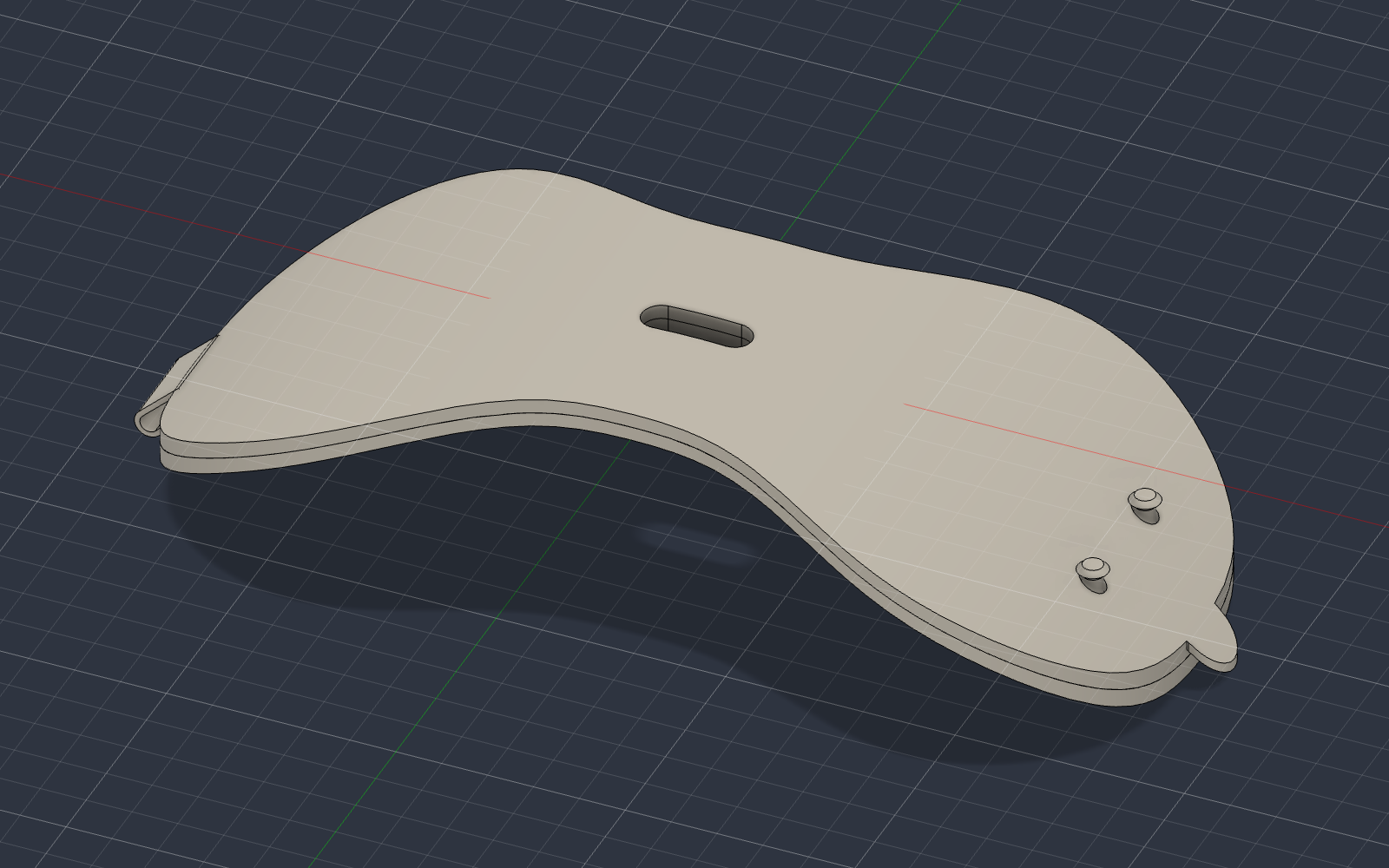
- Keeps your mouth closed, comfortablyA flexible silicone body with an integrated, skin-friendly adhesive, shaped around the mouth.
- Follows every breathA thermistor near the nose counts each breathing cycle directly from the warm and cool air of your breath.
- Hears snoring and respondsA microphone detects snoring; a gentle vibration is designed to encourage you to change position without waking you.
- Wakes you at a better momentA smart alarm looks for a suitable moment in the window before your alarm time.
- Your whole night on one screenOptical pulse and SpO₂ signals, movement and temperature come together in the Zzip app.
If you are curious about mouth taping, Zzip is worth following: it is the version that shows you whether it actually works for you.
Zzip is a prototype in development. Features and measurement performance are being tested. It is not a medical device and does not diagnose or treat sleep apnea or any other condition.
Frequently asked questions
Is it better to breathe through your nose or mouth?
For everyday breathing and sleep, the nose is the better default: it filters, warms and moistens air, and studies show the airway is more stable during sleep with nasal breathing. The mouth is a useful backup during hard exercise or when the nose is blocked.
Why is mouth breathing bad when you sleep?
In sleep-lab studies, breathing through the mouth raised upper airway resistance and made the airway more collapsible. In everyday life it is linked to dry mouth, sore throat, bad breath and snoring.
Do you get more oxygen breathing through your nose?
One small study found slightly higher oxygen levels measured through the skin during nasal breathing, possibly linked to nitric oxide from the sinuses. It was a small study, so it is best seen as a physiological clue rather than a proven health benefit.
Is mouth breathing during exercise bad?
No. During hard exercise adding the mouth is normal because you need more air than the nose alone can provide. The concern is mouth breathing as a habit at rest and during sleep.
Can you train yourself to breathe through your nose?
Often, yes, once the nose is clear. Daytime awareness, gentle practice and side sleeping help. If your nose is regularly blocked, treat that first.
Sources
- Cleveland Clinic. Nose: Anatomy, Function & Related Conditions.
- Fitzpatrick MF. et al. (2003). Effect of nasal or oral breathing route on upper airway resistance during sleep. European Respiratory Journal 22(5):827-32.
- Lundberg JO. et al. (1996). Inhalation of nasally derived nitric oxide modulates pulmonary function in humans. Acta Physiologica Scandinavica 158(4):343-7.
- Meurice JC, Marc I, Carrier G, Sériès F (1996). Effects of mouth opening on upper airway collapsibility in normal sleeping subjects. American Journal of Respiratory and Critical Care Medicine 153(1):255-9.
- Cleveland Clinic. Mouth Breathing: Symptoms, Complications & Treatment.
This article is for general information only and is not medical advice. If you have symptoms of a sleep or breathing disorder, talk to a qualified healthcare professional.