Nasal Breathing Exercises: 6 Gentle Ways to Build the Habit
If you catch yourself breathing through your mouth, a few minutes of calm practice a day can make nose breathing feel normal again. These six exercises are gentle, need no equipment and involve no breath holding. Here is how to do them and when to stop.
Before you start: three ground rules
- Your nose needs to be open. Try breathing gently through your nose with your mouth closed for one minute. If that feels like hard work, deal with the blockage first. Our guide to stuffy nose at night covers common causes.
- Comfort beats effort. These are not challenges or endurance tests. Breathing should feel easy and quiet throughout.
- Stop if you feel unwell. Dizziness, lightheadedness, tingling in the fingers or lips, chest discomfort or rising anxiety are signals to stop, open your mouth if you need to and breathe normally. Never practise while driving, in water or standing somewhere you could fall.
If you have asthma, COPD, a heart condition, an anxiety disorder or are pregnant, check with your doctor before starting a new breathing routine. Cleveland Clinic gives the same advice for diaphragmatic breathing.
The 6 nasal breathing exercises at a glance
| Exercise | Time | Best for |
|---|---|---|
| 1. Closed-mouth check-in | A few seconds, many times a day | Building the daytime habit |
| 2. Belly breathing through the nose | 5–10 minutes | Learning to use the diaphragm |
| 3. Slow paced breathing | 5–10 minutes | Winding down, especially before bed |
| 4. Gentle alternate nostril breathing | 3–5 minutes | Focus and calm |
| 5. Humming exhale | 1–3 minutes | Relaxation and noticing nasal airflow |
| 6. Nose-breathing walk | 10–20 minutes | Practising nasal breathing while moving |
1. The closed-mouth check-in
The simplest of all nasal breathing exercises is noticing. Several times a day, for example each time you unlock your phone, check three things: lips closed, teeth slightly apart, tongue resting lightly against the roof of your mouth. Then take two easy breaths through your nose. That is it.
It sounds too small to matter, but daytime habits are what you can actually change.
2. Belly breathing through the nose
Diaphragmatic, or belly, breathing teaches you to breathe with the large muscle under your lungs rather than lifting your chest and shoulders. Cleveland Clinic suggests learning it lying down:
- Lie on your back with your knees bent and your head supported.
- Place one hand on your upper chest and the other just below your ribs.
- Breathe in slowly through your nose so that your belly rises into your lower hand. Your chest hand should stay fairly still.
- Breathe out slowly and let your belly fall. Cleveland Clinic teaches the exhale through pursed lips; breathing out gently through the nose also works if you want to stay nasal.
Start with 5 to 10 minutes. It can feel tiring at first, which is normal. Once it feels easy lying down, try it sitting.
3. Slow paced breathing
Slow breathing means gently lowering your breathing rate, usually to around six breaths a minute. A 2018 systematic review in Frontiers in Human Neuroscience looked at studies of slow breathing (under 10 breaths per minute) in healthy people and found links with higher heart rate variability, changes in brain activity and greater feelings of relaxation and calm. The studies were small and the mechanisms are still debated, but the practice itself is low risk.
- Sit upright and relaxed, mouth closed.
- Breathe in through your nose for a slow count of four.
- Breathe out through your nose for a slow count of six. No pause or hold at the top or bottom.
- Continue for 5 minutes. If the counts feel too long, shorten them. Air hunger means you are pushing too hard.
This is a good one before bed, because a longer exhale tends to feel calming.
4. Gentle alternate nostril breathing
Alternate nostril breathing comes from yoga, where it is called nadi shodhana. A 2017 systematic review of 44 trials, mostly in healthy people, reported positive effects on heart, lung and nervous system measures, but noted there is no standard method yet. Traditional versions include breath retention; this gentle version leaves it out.
- Sit comfortably. Rest your left hand in your lap.
- Gently close your right nostril with your right thumb. Breathe in slowly through the left nostril.
- Close the left nostril with your ring finger, release the thumb and breathe out through the right.
- Breathe in through the right, switch, and breathe out through the left. That is one round.
- Do 5 to 10 relaxed rounds. Press lightly; you only need to block the nostril, not squeeze the nose.
Skip this one when your nose is congested. Breathing through a single half-blocked nostril can feel uncomfortable.
5. Humming exhale
Breathe in quietly through your nose, then breathe out through your nose while humming a low, steady “mmm” with your lips closed. Repeat for one to three minutes. A small 2002 study found that humming raised the level of nitric oxide measured in the nose about 15-fold compared with a quiet exhale, likely because the vibration moves air in and out of the sinuses faster. That study did not test any health outcome, so treat humming as a pleasant, calming practice rather than a remedy. You can read more about nitric oxide in our guide to nasal breathing benefits.
6. The nose-breathing walk
Go for an easy walk and breathe only through your nose, at a pace where that feels comfortable. If you feel you need more air, slow down, and if you still need more, open your mouth. Over a few weeks, many people find they can keep nasal breathing at a slightly brisker pace. This is about habit, not restricting air during hard exercise.
Will these exercises help my sleep or snoring?
Daytime practice can make nose breathing feel more natural, and a slow breathing routine can help you wind down. Neither has been shown to stop night-time mouth breathing on its own, because your body chooses its breathing route automatically during sleep. If your goal is snoring, a different set of exercises has more research behind it: tongue and throat training, also called myofunctional therapy. See exercises to stop snoring for those.
And if you snore loudly, gasp at night or feel very sleepy during the day, talk to a doctor. Breathing exercises are not a treatment for sleep apnea.
Not just tape.
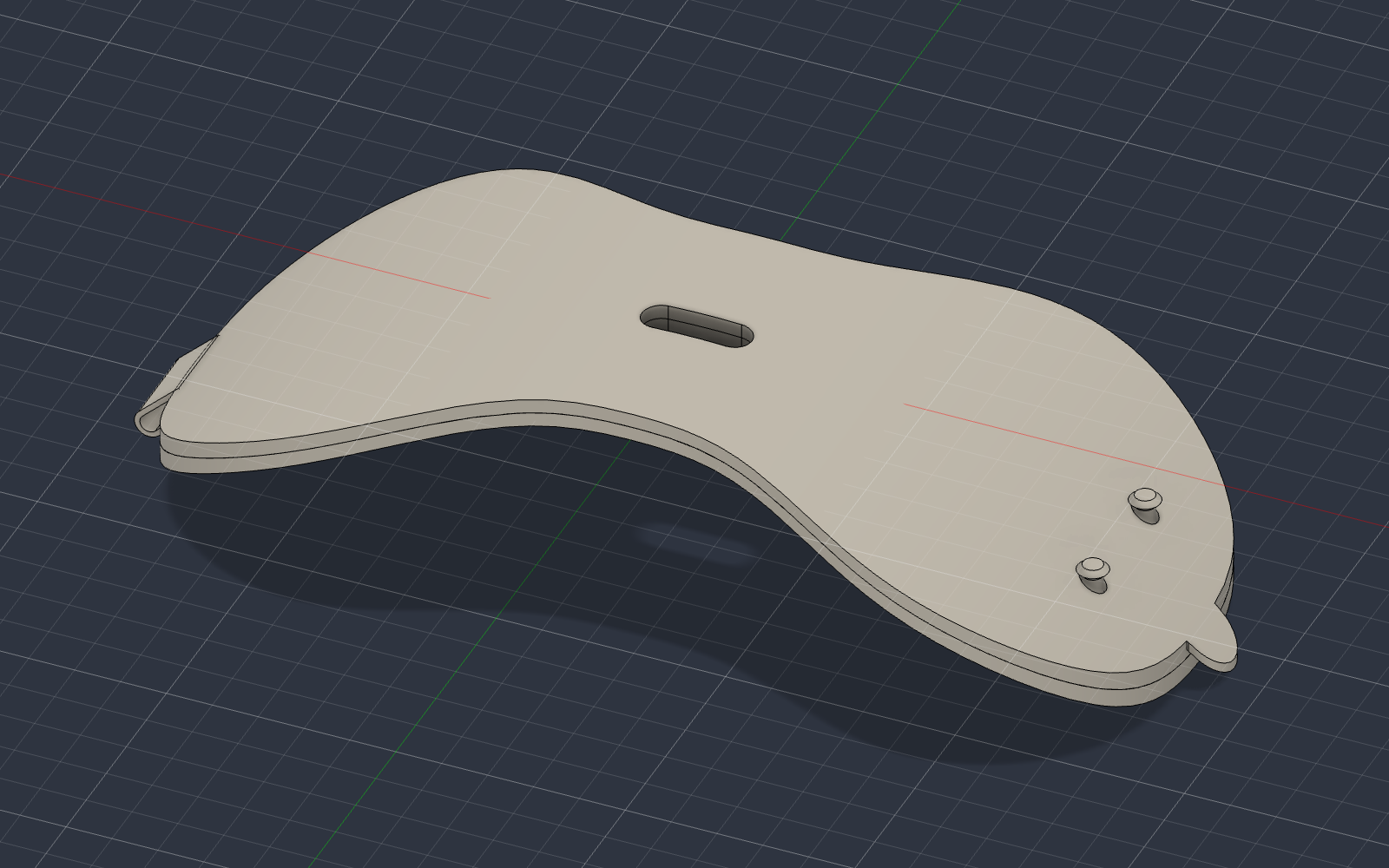
A mouth band that understands your night.
Daytime practice is the easy part to see; what happens with your breathing after you fall asleep is not. Zzip is being designed to show how you actually breathe at night, including whether you stay on your nose.
| Regular mouth tape | Zzip | |
|---|---|---|
| Keeps your mouth closed | ✓ | ✓ |
| Measures your breathing | — | ✓ |
| Detects snoring | — | ✓ |
| Responds to snoring | — | ✓ |
| Smart wake-up window | — | ✓ |
| Shows you the results | — | ✓ |
- Keeps your mouth closed, comfortablyA flexible silicone body with an integrated, skin-friendly adhesive, shaped around the mouth.
- Follows every breathA thermistor near the nose counts each breathing cycle directly from the warm and cool air of your breath.
- Hears snoring and respondsA microphone detects snoring; a gentle vibration is designed to encourage you to change position without waking you.
- Wakes you at a better momentA smart alarm looks for a suitable moment in the window before your alarm time.
- Your whole night on one screenOptical pulse and SpO₂ signals, movement and temperature come together in the Zzip app.
If you are curious about mouth taping, Zzip is worth following: it is the version that shows you whether it actually works for you.
Zzip is a prototype in development. Features and measurement performance are being tested. It is not a medical device and does not diagnose or treat sleep apnea or any other condition.
Frequently asked questions
How long does it take to get used to nasal breathing?
It varies. Many people notice daytime nose breathing feels more natural within a few weeks of regular check-ins and short practice sessions, as long as the nose is open. A blocked nose will not change with practice alone.
Can you train yourself to breathe through your nose while sleeping?
You cannot directly control your breathing route while asleep. Daytime habits and keeping your nose clear help. If you still wake up with a dry mouth, you can find causes and options in our guide to mouth breathing while sleeping.
Is it normal to feel dizzy during breathing exercises?
Mild lightheadedness can happen if you breathe too deeply or too fast. Treat it as a signal to stop and breathe normally. Keep breaths gentle and quiet, and do not hold your breath.
What is the best breathing exercise before sleep?
Slow paced nasal breathing with a longer exhale, such as in for four and out for six, is simple and calming. Belly breathing lying down is another good option.
Should I do breath-holding exercises?
You do not need breath holding to practise nasal breathing. Breath-holding challenges can cause dizziness or fainting and are not advised without professional guidance, especially if you have a heart or lung condition or are pregnant.
Sources
- Cleveland Clinic. Diaphragmatic Breathing Exercises & Benefits.
- Zaccaro A, Piarulli A, Laurino M, et al. (2018). How Breath-Control Can Change Your Life: A Systematic Review on Psycho-Physiological Correlates of Slow Breathing. Frontiers in Human Neuroscience 12:353.
- Ghiya S (2017). Alternate nostril breathing: a systematic review of clinical trials. International Journal of Research in Medical Sciences.
- Weitzberg E, Lundberg JO (2002). Humming greatly increases nasal nitric oxide. American Journal of Respiratory and Critical Care Medicine 166(2):144–145.
This article is for general information only and is not medical advice. If you have symptoms of a sleep or breathing disorder, talk to a qualified healthcare professional.