Nasal Breathing Benefits: Filtering, Nitric Oxide and Better Sleep
Your nose is more than a backup air hole. It cleans, warms and moistens every breath, and it adds a gas your mouth cannot. Here is what nasal breathing actually does for you, which claims hold up, and why it matters most while you sleep.
Your nose is an air-conditioning system
Every breath you take through the nose passes a series of folds, hairs and mucus-coated surfaces before it reaches your throat. That route is slower and narrower than the mouth, and that is the point. According to Cleveland Clinic, the nose does three jobs the mouth does not do well:
- Filtering. Tiny hair-like cilia and sticky mucus trap dust, pollen and other particles and move them toward the throat, where they are swallowed instead of reaching the lungs.
- Warming. Air is brought closer to body temperature on its way in, which is gentler on the lungs on a cold day.
- Humidifying. The nasal lining adds moisture, so the air that reaches your throat and lungs is not dry.
Mouth breathing skips most of this. Air arrives colder, drier and less filtered. That is why people who breathe through their mouth at night often wake up with a dry mouth or a scratchy throat.
Nasal breathing benefits at a glance
Not every claim you see online about nasal breathing benefits has the same support. Here is a fair sorting:
| Benefit | What happens | How solid is it? |
|---|---|---|
| Filters particles | Cilia and mucus trap debris | Basic, well-established anatomy |
| Warms and humidifies air | Air is conditioned before the lungs | Well-established |
| Adds nitric oxide | NO from the sinuses is inhaled | Real, but health effects are still being studied |
| Steadier airway in sleep | Lower upper airway resistance than mouth breathing | Small studies, consistent direction |
| Less dry mouth | Saliva is not dried out by airflow | Plausible and commonly reported |
| Slower, calmer breathing | Narrower route limits big gulps of air | Plausible; mostly practical experience |
Nitric oxide: the benefit everyone talks about
Nitric oxide (NO) is a small gas molecule your body uses as a signal, including to relax blood vessels. Research from the Karolinska Institute in the 1990s showed that much of the NO in nasal air comes from the paranasal sinuses, the air-filled spaces around the nose. When you breathe in through the nose, some of this gas travels with the air into your lungs. Breathe through the mouth and you largely bypass it.
Early studies by the same researchers suggested that nasally inhaled NO may help the lungs take up oxygen. These were small physiology experiments, not proof of a health benefit for everyday people, so treat bold claims with care.
What about humming?
A 2002 study found that humming raised the amount of NO measured in nasal air about 15-fold compared with a quiet exhale. The vibration seems to flush gas out of the sinuses faster. It was a small experiment with healthy volunteers that measured NO only. It did not test whether humming improves health, so it is a curiosity, not a treatment.
Why nasal breathing matters while you sleep
During the day you can notice when your mouth is open and close it. At night you cannot. And sleep is when the airway is most vulnerable: the muscles of the throat and tongue relax, and the airway narrows.
A 2003 crossover study in the European Respiratory Journal looked at 12 healthy adults who slept with either nasal or mouth breathing. While awake, the route made little difference. During sleep, upper airway resistance was significantly higher with mouth breathing, and the tendency toward obstructive breathing events was greater. The authors concluded that the airway is more stable when you breathe through the nose.
That fits what many people notice in practice. When the mouth falls open, the jaw and tongue can drop back and the airway is more likely to vibrate, which means snoring. If that sounds familiar, our guide to mouth breathing while sleeping covers the causes and fixes in detail.
Other everyday benefits
- A moister mouth. Airflow over the tongue and gums dries saliva. Keeping the mouth closed helps saliva do its job of protecting teeth and keeping breath fresh.
- A built-in brake on overbreathing. Cleveland Clinic notes that the nose limits how much air you can pull in at once, which makes it harder to hyperventilate.
- Smell. Breathing through the nose keeps your sense of smell in the loop, which helps you notice smoke, gas or spoiled food.
When mouth breathing is the right call
Nasal breathing is the default, not a rule to force. If your nose is blocked by a cold, allergies or swelling, your body switches to the mouth for a good reason: you need air. Hard exercise also pushes most people to breathe through the mouth, and that is normal.
What deserves attention is a nose that is blocked most of the time, or mouth breathing that happens every night. A deviated septum, nasal polyps, allergies or enlarged turbinates are common causes, and an ENT doctor can check for them. If your nose tends to block when you lie down, see our guide on stuffy nose at night.
How to breathe through your nose more often
- Notice it during the day. Check in a few times a day: lips closed, teeth slightly apart, tongue resting on the roof of the mouth.
- Keep your nose clear. Saline rinses, managing allergies and a less dry bedroom can make nasal breathing easier.
- Practise gently. Simple, calm routines can make nose breathing feel more natural. Our nasal breathing exercises guide has safe ones to start with.
- Look at your nights. If you wake with a dry mouth, you may be mouth breathing in your sleep. Some people try nasal strips or mouth tape, but only with a clear nose and never as a substitute for a medical check if you snore loudly or stop breathing at night.
Not just tape.
A mouth band that understands your night.
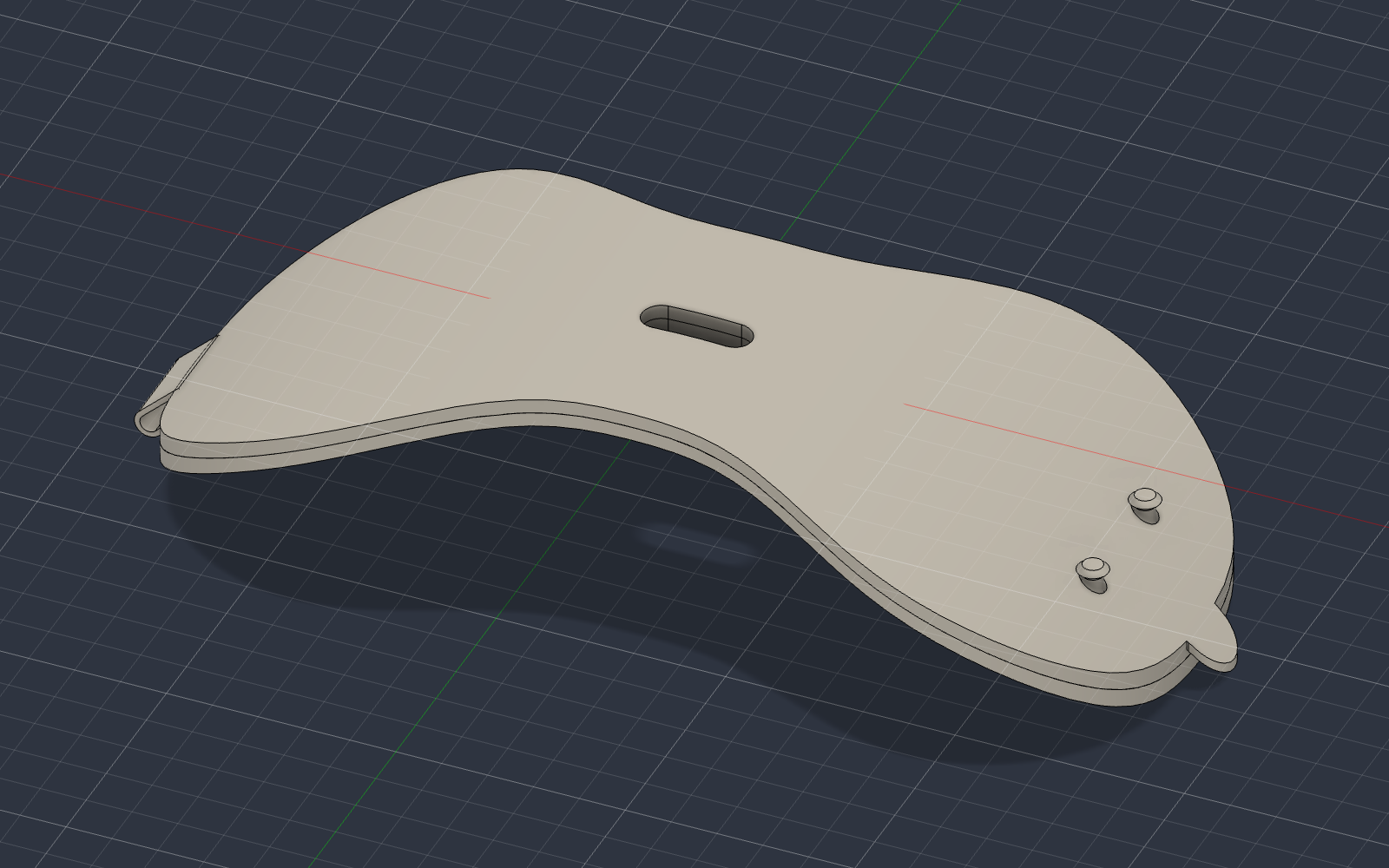
The hard part about nasal breathing at night is that you have no idea what you actually did while asleep. Zzip is being designed to measure exactly that: how you breathe, through which route, and whether you snore.
| Regular mouth tape | Zzip | |
|---|---|---|
| Keeps your mouth closed | ✓ | ✓ |
| Measures your breathing | — | ✓ |
| Detects snoring | — | ✓ |
| Responds to snoring | — | ✓ |
| Smart wake-up window | — | ✓ |
| Shows you the results | — | ✓ |
- Keeps your mouth closed, comfortablyA flexible silicone body with an integrated, skin-friendly adhesive, shaped around the mouth.
- Follows every breathA thermistor near the nose counts each breathing cycle directly from the warm and cool air of your breath.
- Hears snoring and respondsA microphone detects snoring; a gentle vibration is designed to encourage you to change position without waking you.
- Wakes you at a better momentA smart alarm looks for a suitable moment in the window before your alarm time.
- Your whole night on one screenOptical pulse and SpO₂ signals, movement and temperature come together in the Zzip app.
If you are curious about mouth taping, Zzip is worth following: it is the version that shows you whether it actually works for you.
Zzip is a prototype in development. Features and measurement performance are being tested. It is not a medical device and does not diagnose or treat sleep apnea or any other condition.
Frequently asked questions
Is it better to breathe through your nose or mouth?
For everyday breathing and sleep, the nose is better: it filters, warms and humidifies air and is linked to a more stable airway during sleep. Breathing through the mouth is normal when your nose is blocked or during hard exercise. For a side-by-side comparison, read mouth breathing vs nose breathing.
Does nasal breathing increase nitric oxide?
Breathing in through the nose carries nitric oxide made in the sinuses down to the lungs, while mouth breathing largely bypasses it. Humming has been shown to raise nasal NO levels sharply in a small study, but health benefits of this have not been proven.
Does nasal breathing help you sleep better?
Nasal breathing is associated with lower airway resistance during sleep and less dry mouth. It is not a cure for snoring or sleep apnea, but people who mostly breathe through the mouth at night often notice they wake up less dry when they switch.
Can you train yourself to breathe through your nose?
Many people can make nasal breathing a habit during the day with regular reminders and gentle practice, as long as the nose is open. If your nose is often blocked, see a doctor first, because no exercise will fix a structural blockage.
Why can’t I breathe through my nose?
Common reasons are congestion from colds or allergies, a deviated septum, nasal polyps or swollen turbinates. If it lasts for weeks or affects your sleep, an ENT specialist can find the cause.
Sources
- Cleveland Clinic. Nose Breathing vs. Mouth Breathing: Which Is Better? Health Essentials.
- Fitzpatrick MF, McLean H, Urton AM, Tan A, O’Donnell D, Driver HS (2003). Effect of nasal or oral breathing route on upper airway resistance during sleep. European Respiratory Journal 22:827–832.
- Weitzberg E, Lundberg JO (2002). Humming greatly increases nasal nitric oxide. American Journal of Respiratory and Critical Care Medicine 166(2):144–145.
- Lundberg JO, Weitzberg E (1999). Nasal nitric oxide in man. Thorax 54(10):947–952.
This article is for general information only and is not medical advice. If you have symptoms of a sleep or breathing disorder, talk to a qualified healthcare professional.