Mouth Breathing Face: What Is Real, What Is Hype
Before-and-after photos of “mouth breathing face” are everywhere on social media, usually followed by a product or an exercise. Behind the hype is a real topic in children’s dental and facial growth. Here is what the research supports, what it does not, and why the answer is very different for adults.
What people mean by “mouth breathing face”
The term describes a set of features said to develop when someone breathes mainly through the mouth during childhood. Dentists and ENT specialists have older names for it, such as “adenoid face” or “long face syndrome”. The features usually listed are:
- a lips-apart resting posture;
- a long, narrow lower face;
- a narrow upper jaw and a high, deep palate;
- a lower jaw that sits further back, giving a receding chin;
- crowded teeth or a crossbite.
Cleveland Clinic lists a narrow face, a receding chin or jaw, and teeth that do not line up among the changes seen in children who mouth-breathe. It does not list them for adults, where it describes mouth breathing as mainly affecting sleep and morning breath.
Why breathing can shape a growing face
The bones of the face grow in response to the forces around them: the tongue, lips, cheeks and jaw muscles. When you breathe through your nose with your lips closed, the tongue tends to rest against the roof of the mouth and acts as a gentle internal support for the upper jaw.
When a child breathes through the mouth for most of the day and night, the jaw hangs open and the tongue sits lower. Over years of growth, that changed balance of forces is thought to influence how the upper jaw widens and in which direction the lower jaw grows. The key word is growth: these changes depend on a face that is still developing.
What the research shows in children
Teeth and palate
A 2026 systematic review and meta-analysis pooled 13 studies comparing children and teenagers who mouth-breathe with nasal breathers. Mouth-breathing children had narrower upper dental arches at the canines and molars, a deeper palate toward the back of the mouth, and crossbites at the back of the mouth were more common. Several other measurements were not different, which is a reminder that not every child is affected the same way.
Treating the cause
Large adenoids and tonsils are a common reason children cannot breathe through the nose. A 2026 systematic review of 10 studies looked at what happens to facial development after these are removed. Surgery was linked to favourable changes in lower-jaw growth direction, tooth position and arch width, and skeletal effects were more evident when surgery happened before about six years of age. But complete normalisation was not predictable, and orthodontic treatment was often still needed.
The limits
Most of this research is observational, and children who mouth-breathe often also have allergies, large adenoids or sleep-disordered breathing, which makes it hard to separate cause from coincidence. The Sleep Foundation notes that research on facial changes is inconsistent. The overall picture supports a link, especially when obstruction starts early, but not a simple “mouth breathing equals long face” rule.
Children vs adults at a glance
| Children | Adults | |
|---|---|---|
| Is the face still growing? | Yes | Skeletal growth largely finished |
| Evidence of facial or dental changes | Linked to narrower arches, deeper palate, crossbites | No good evidence of reshaping |
| Main concern | Development, sleep, behaviour | Sleep quality, dry mouth, snoring |
| Who to see | Paediatrician, ENT, orthodontist | GP, ENT, dentist, sleep specialist |
| Can nasal breathing reverse changes? | Treating the cause early can support better growth | Will not change bone structure |
Can mouth breathing change an adult’s face?
This is where social media runs ahead of the science. Once growth has finished, the bones of the jaw and midface do not remodel in the way they do in childhood. Claims that switching to nasal breathing, practising tongue posture or taping your mouth at night will sharpen an adult jawline are not supported by good-quality research that we could find.
What can change in adults is the soft tissue look: lips held together rather than apart, and a less tired appearance if sleep improves. Those are real but modest, and they come from better breathing and sleep, not from bone reshaping. If you are considering mouth tape for this reason, read our article on mouth tape and jawline claims first.
Adults with significant jaw or bite problems have proper treatment options, including orthodontics and, in some cases, jaw surgery. Those decisions belong with an orthodontist or maxillofacial surgeon, not a before-and-after photo.
Signs to watch for in a child
- mouth open most of the day, not only during a cold;
- snoring, noisy breathing or pauses in breathing at night;
- restless sleep or daytime tiredness;
- irritability or attention problems, which Cleveland Clinic notes can be linked to disturbed sleep;
- crowded teeth, a narrow upper jaw or a crossbite noticed by the dentist.
If several of these apply, talk to your child’s doctor. Our guide to mouth breathing in children covers causes, signs and the specialists involved. Mouth tape is not a solution for children: see mouth tape for kids.
What adults can actually do
- Find out why you mouth-breathe. A blocked nose, a deviated septum or allergies are common causes; our guide to mouth breathing while sleeping explains them.
- Treat the nose. Allergy care, saline rinses or an ENT assessment can make nasal breathing easier.
- Look after your sleep. If you snore loudly or feel unrefreshed, get checked for sleep apnea.
- See an orthodontist if you are concerned about your bite or jaw position. They can tell you what is realistic.
Not just tape.
A mouth band that understands your night.
Whatever the age, the starting point is knowing how you actually breathe at night, not how you think you breathe. Zzip is being developed for adults to measure nose and mouth breathing during sleep, so you can see the pattern for yourself.
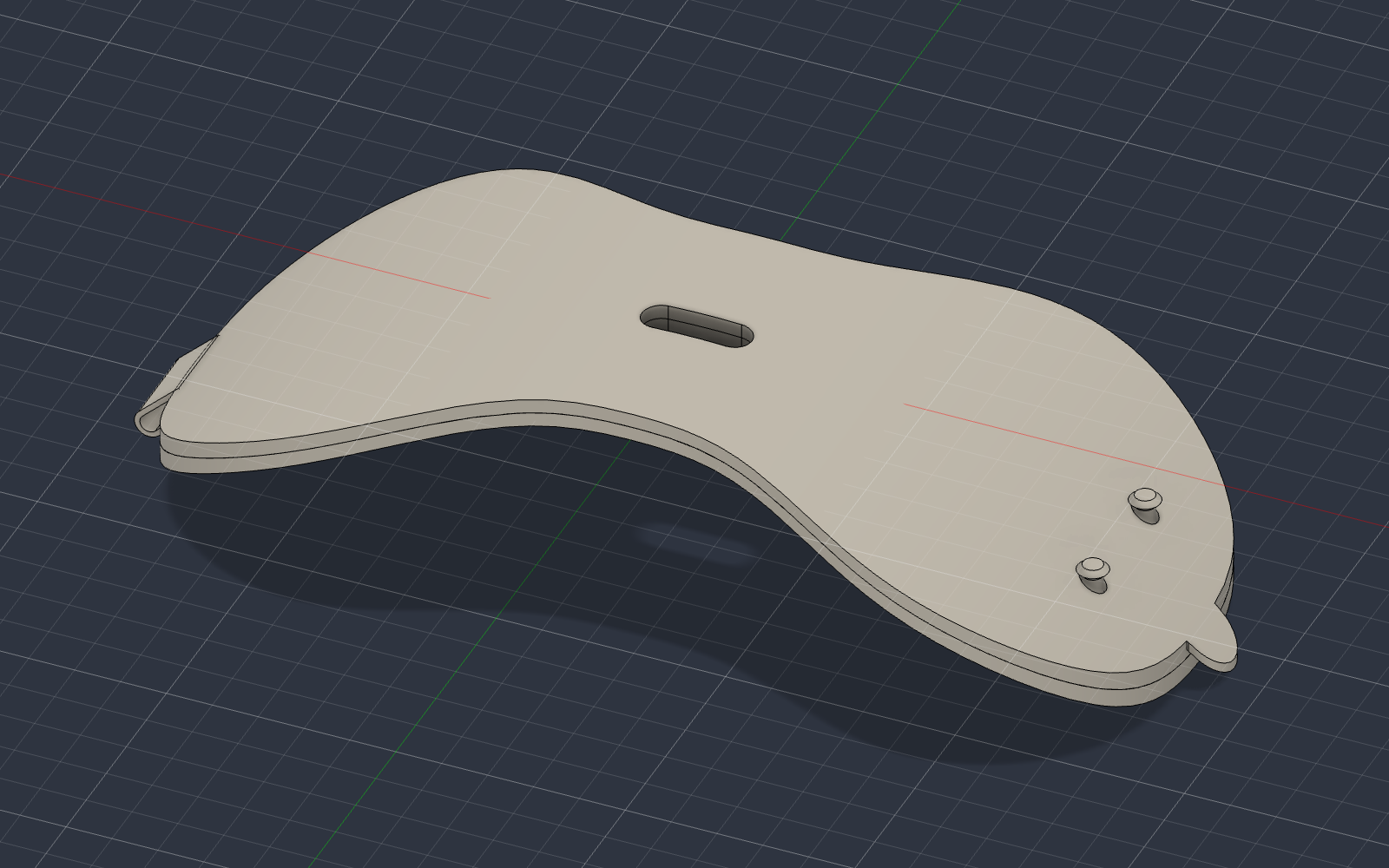
| Regular mouth tape | Zzip | |
|---|---|---|
| Keeps your mouth closed | ✓ | ✓ |
| Measures your breathing | — | ✓ |
| Detects snoring | — | ✓ |
| Responds to snoring | — | ✓ |
| Smart wake-up window | — | ✓ |
| Shows you the results | — | ✓ |
- Keeps your mouth closed, comfortablyA flexible silicone body with an integrated, skin-friendly adhesive, shaped around the mouth.
- Follows every breathA thermistor near the nose counts each breathing cycle directly from the warm and cool air of your breath.
- Hears snoring and respondsA microphone detects snoring; a gentle vibration is designed to encourage you to change position without waking you.
- Wakes you at a better momentA smart alarm looks for a suitable moment in the window before your alarm time.
- Your whole night on one screenOptical pulse and SpO₂ signals, movement and temperature come together in the Zzip app.
If you are curious about mouth taping, Zzip is worth following: it is the version that shows you whether it actually works for you.
Zzip is a prototype in development. Features and measurement performance are being tested. It is not a medical device and does not diagnose or treat sleep apnea or any other condition.
Frequently asked questions
Does mouth breathing change your face shape?
In children it can be linked to changes in dental arches, the palate and jaw growth, especially when the nose is blocked from an early age. In adults there is no good evidence that it reshapes the face.
What does a mouth breathing face look like?
The features usually described are lips apart at rest, a long and narrow lower face, a narrow upper jaw with a high palate, a receding chin and crowded teeth or a crossbite. Not every mouth breather develops them.
Can mouth breathing face be reversed?
In growing children, treating the cause early, sometimes combined with orthodontics, can support better development, though full correction is not guaranteed. In adults, bone changes do not reverse with breathing changes; orthodontic or surgical options exist for significant problems.
Will switching to nasal breathing improve my jawline?
There is no good evidence that it changes an adult’s bone structure. Nasal breathing can still help with sleep, dry mouth and snoring.
At what age does mouth breathing affect the face?
Research suggests the effects are greatest when breathing is obstructed during early childhood growth. One review found skeletal changes after adenoid and tonsil surgery were more evident when surgery happened before about six years of age.
Sources
- Lekvijittada K, Uengkajornkul P, Changsiripun C (2026). Dental arch dimension and palatal morphology in children and adolescents with mouth breathing: a systematic review and meta-analysis. BMC Oral Health 26:1047.
- Singla A. et al. (2026). Impact of adenotonsillectomy or adenoidectomy on dentofacial development of children with obstructed sleep disordered breathing: Systematic review. International Journal of Pediatric Otorhinolaryngology 208:112923.
- Cleveland Clinic. Mouth Breathing: Symptoms, Complications & Treatment.
- Sleep Foundation (2025). Sleeping With Your Mouth Open.
This article is for general information only and is not medical advice. If you have symptoms of a sleep or breathing disorder, talk to a qualified healthcare professional.